
Unexpected events like floods, wildfires, or home damage can disrupt lives and require swift action. Emergency ADU (Accessory Dwelling Unit) construction offers a solution, providing temporary or permanent additional living space to house family, friends, or even rented out as an income source. However, navigating the complexities of emergency construction, especially when time and budget are crucial, can be daunting. This article examines the process, highlighting the role of an adu cost estimator as a vital tool for homeowners, ADU contractors, and local building departments. We'll explore how these estimators help streamline planning, budgeting, and project execution, ensuring timely, cost-effective, and safe emergency ADU construction.
- Planning for Emergency ADU: Essential Preparations
- Rapid Construction Techniques for Time-Sensitive Projects
- Cost-Effective Materials: Balancing Quality and Budget
- Streamlined Permitting: Navigating Regulations Efficiently
- Labor Management: Ensuring Quick, Quality Installation
- Adapting to Unforeseen Challenges: Flexibility in Construction
- Post-Emergency: Evaluating Performance & Future Preparations
Planning for Emergency ADU: Essential Preparations
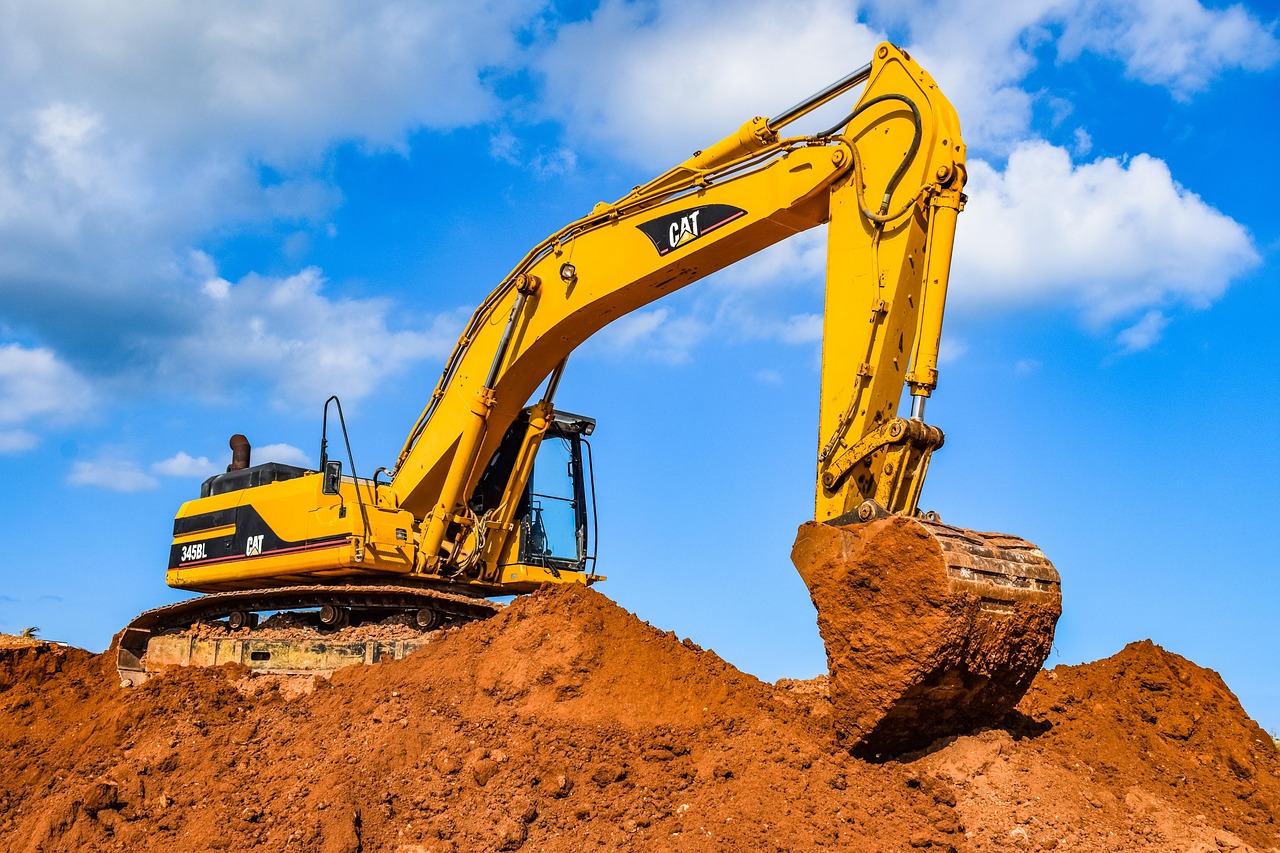
In emergency situations, where immediate shelter is needed, planning for an Accessory Dwelling Unit (ADU) can be a swift yet strategic process. This section examines the essential preparations for expediting the ADU construction project, ensuring both time and budget remain under control. When faced with unforeseen events, such as natural disasters or sudden housing crises, homeowners must quickly assemble a team of trusted professionals and make crucial decisions to bring their ADU to life.
A comprehensive ADU cost estimator, accessible through online platforms, becomes an indispensable tool for property owners. This digital resource provides a realistic budget framework by factoring in local material and labor costs, enabling homeowners to make informed financial decisions. A homeowner in a region prone to hurricanes could use an ADU cost estimator to predict the additional expenses of building a storm-resistant structure, ensuring their project aligns with local green building practices for ADUs. By understanding potential costs upfront, homeowners can make adjustments and secure funding, thus streamlining the construction process.
Engaging with experienced ADU construction services is paramount for successful emergency projects. These professionals bring specialized knowledge and can offer expert advice on navigating permits, selecting suitable materials, and optimizing space. A trusted ADU builder might suggest cost-saving alternatives while ensuring the unit meets all necessary safety standards. They can also provide insights into efficient project management, ensuring the ADU is completed within the tightest of deadlines. A professional ADU cost analysis, conducted by these experts, can help identify potential bottlenecks and hidden expenses, allowing for proactive cost-cutting strategies.
Prioritizing emergency preparedness, understanding budget constraints, and collaborating with reliable professionals are key to successful ADU construction in unforeseen circumstances. By employing these measures, homeowners can transform a stressful situation into a well-managed, budget-conscious, and timely solution, providing much-needed shelter and peace of mind.
Rapid Construction Techniques for Time-Sensitive Projects
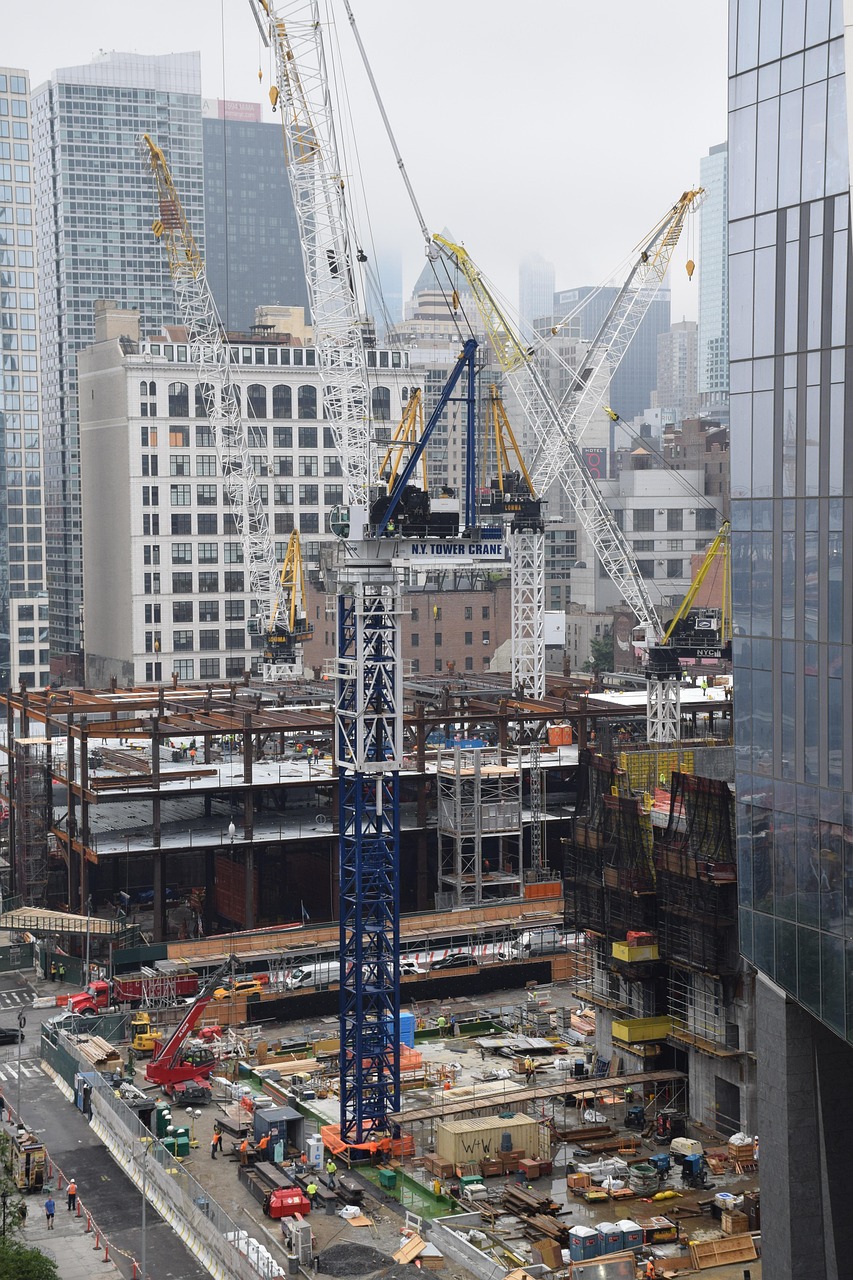
In time-sensitive projects, where urgency meets stringent budget constraints, rapid construction techniques become a crucial strategy for successful ADU (Accessory Dwelling Unit) development. For homeowners looking to maximize space and value, efficient construction methods can make all the difference. When legal requirements for ADU contractors align with a swift project timeline, top-rated ADU project estimators can play a pivotal role.
These specialized estimators not only expedite the planning phase but also ensure that the project stays on track financially. By employing advanced cost-estimation tools, they can provide accurate budgets, factoring in everything from materials and labor to permits and potential contingencies. A well-regarded adu cost estimator might suggest innovative materials or construction techniques to reduce time and costs, such as prefabricated components or modular assembly. This approach can shave days, if not weeks, off the construction timeline, allowing homeowners to enjoy their expanded living space faster.
Effective budgeting for ADU conversion begins with a comprehensive assessment of the project scope and local market conditions. ADU project managers should work closely with estimators to identify potential cost-saving measures, like using locally sourced materials or negotiating contracts with top-rated suppliers. Leveraging technology like digital plan reviews and advanced project management software can streamline the building process, minimizing delays and maximizing efficiency. By adopting these strategies, homeowners can ensure that their emergency ADU construction not only meets but exceeds their expectations, all while adhering to both the budget and the timeline.
Cost-Effective Materials: Balancing Quality and Budget

When time and budget are paramount, selecting cost-effective materials is crucial for successful emergency ADU construction. Balancing quality and affordability requires a strategic approach, leveraging insights from both ADU construction cost comparison studies and professional ADU cost analyses. Online ADU cost estimators can be a valuable tool for homeowners, providing a preliminary understanding of material costs based on current market rates and project specifics.
Consider the difference between traditional framing materials and alternative options. While wood remains a popular choice for its versatility and relative affordability, some ADU builders are turning to steel framing due to its strength, durability, and lower labor costs. This transition towards green building practices for ADUs can also positively impact the environment and, in some cases, reduce long-term maintenance expenses. However, steel may not always be the most economical choice; a professional ADU cost analysis can help determine the optimal balance between material quality, environmental impact, and financial return on investment.
Another strategic approach involves selecting materials with a proven track record of longevity and low maintenance. Fiber cement siding has gained popularity for its resistance to rot, pests, and extreme weather conditions, reducing the need for frequent repairs or replacements. Similarly, low-flow fixtures and energy-efficient appliances not only contribute to water and energy conservation but also offer long-term cost savings for homeowners. By carefully considering these options, homeowners can create functional and aesthetically pleasing ADUs while adhering to their budget constraints.
In cases where budget is a primary concern, local suppliers and used building materials can play a significant role. Many communities have thrift stores and salvage yards that offer discounted or even free materials-a sustainable and cost-effective solution for DIY ADU projects. ADU contractors who specialize in budget-conscious construction may have relationships with local suppliers, allowing them to source materials at competitive prices. Utilizing these strategies, homeowners can minimize ADU construction costs without sacrificing quality or functionality.
Streamlined Permitting: Navigating Regulations Efficiently
When time and budget are crucial, efficient permitting becomes a critical factor in successful ADU construction. Navigating local regulations can be complex and time-consuming, but homeowners can streamline the process with the help of an adu cost estimator and licensed ADU builders.
Many cities have specific requirements for ADU construction, including permit applications, building plans, and inspections. Without a clear understanding of these regulations, homeowners may face unexpected delays and costs. This is where an adu cost estimator app for iOS comes in handy. These tools provide a comprehensive overview of potential expenses and help identify areas where cost-cutting measures can be implemented. An app might alert you to mandatory structural evaluations or specific code requirements that could impact your budget.
Licensed ADU builders, familiar with these regulations, play a pivotal role in efficient permitting. They can guide homeowners through the application process, ensuring all necessary documents are submitted accurately. They often have established relationships with local building departments, which can expedite the approval process. Reviews of these builders, available on various platforms, offer insights into their efficiency and customer satisfaction. By comparing ADU construction costs from different contractors and leveraging the expertise of licensed builders, homeowners can ensure their project stays on track and within budget.
A well-planned ADU project, guided by an adu cost estimator and trusted ADU builders, can transform an empty space into a valuable addition to your property. Efficient permitting not only saves time but also ensures your ADU meets all necessary safety and code requirements, maximizing your investment.
Labor Management: Ensuring Quick, Quality Installation
In scenarios where time and budget are paramount, efficient labor management is crucial for a swift and quality ADU (Additional Dwelling Unit) installation. When homeowners are facing urgent space needs, such as accommodating a growing family or providing rental income, every day counts. A strategic approach to labor allocation ensures that projects stay on track, avoiding costly delays. This involves coordinating a dedicated team of skilled laborers, ensuring they possess the necessary expertise for ADU construction, and managing their work to meet the project's timeline.
Professional ADU cost analysis plays a pivotal role here. Utilizing an advanced adu cost estimator tool, homeowners and project managers can accurately assess labor costs associated with the renovation. A nearby ADU renovation project might range from $100,000 to $200,000, depending on the scope and quality desired. By inputting specific details about the planned ADU, the estimator provides a real-time breakdown of labor expenses, enabling better financial planning. Top-rated ADU project estimators offer this service, helping to keep projects within budget and on schedule. They account for factors like material procurement, permits, and inspections, ensuring no surprises in the labor bill.
Effective labor management also involves establishing clear communication channels between the homeowner, contractor, and labor team. This ensures everyone is aligned with project goals and timelines. A homeowner might prioritize speed over luxury, communicating this to the contractor who can then task laborers accordingly. Regular updates and progress meetings help manage expectations and address any labor-related issues promptly. Having a reliable network of local ADU contractors who understand the urgency of these projects is essential. These professionals can swiftly assemble a team, ensuring the labor force is ready to work, minimizing downtime, and delivering the ADU on time.
Adapting to Unforeseen Challenges: Flexibility in Construction
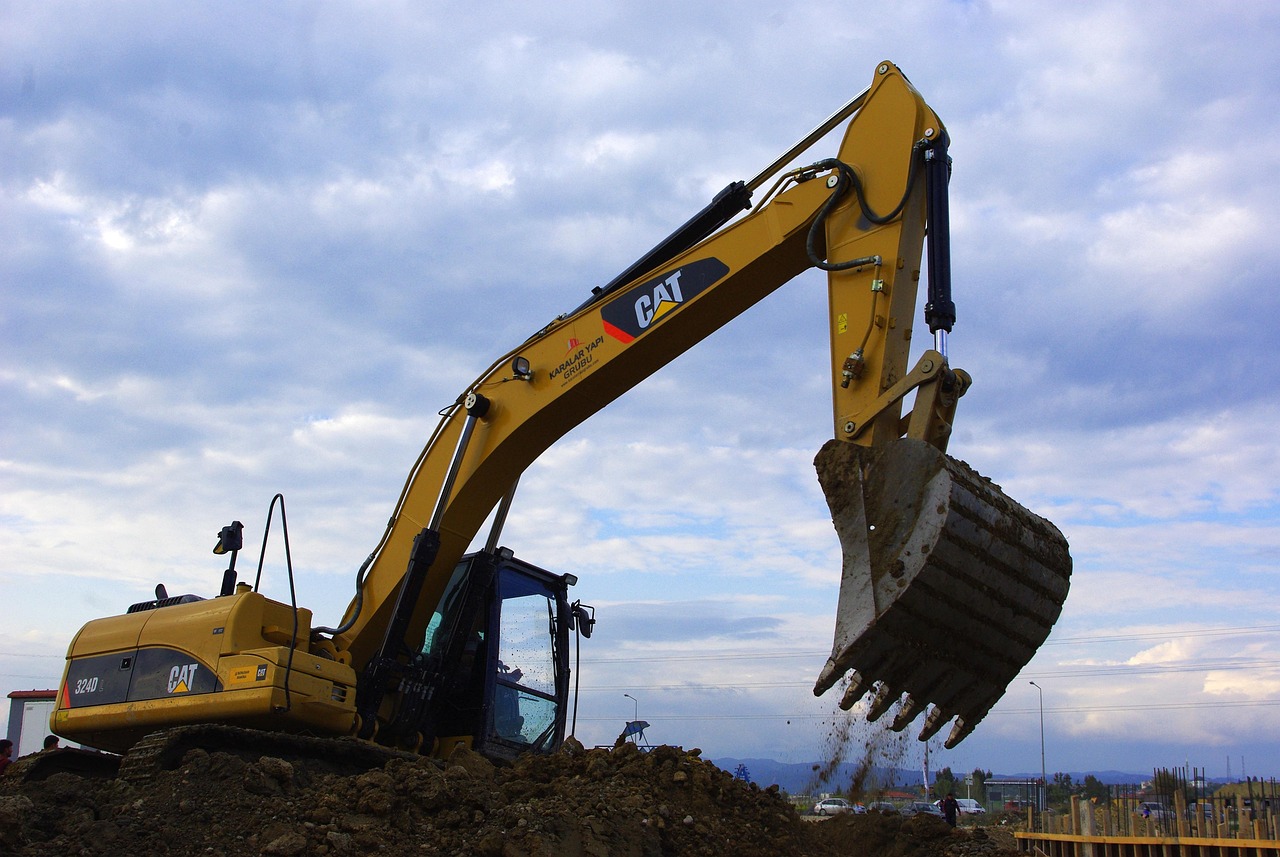
In emergency scenarios, such as unexpected structural issues or unforeseen site conditions, the flexibility of ADU construction methods becomes crucial. When time is of the essence and budgets are tight, homeowners and contractors must be prepared to adapt quickly. An adu cost estimator can play a vital role here, not just in planning but in mid-project adjustments. A nearby ADU renovation project that encountered a hidden plumbing issue required a last-minute change in materials and design. The estimator's initial analysis, while valuable, needed updating to reflect these changes and ensure the project stayed on track.
Professionals in the field emphasize the importance of regular, professional ADU cost analysis throughout the construction process. This is not just a one-time exercise at the project's inception. Unforeseen challenges, like discovering old lead pipes or unexpected weather delays, can dramatically affect costs. A project that initially appeared on budget might face unexpected cost overruns if unforeseen repairs or material substitutions are required. A flexible, adaptable adu cost estimator can help navigate these challenges by promptly updating cost projections, allowing for better financial management and informed decision-making.
To avoid such pitfalls, consider these actionable steps. First, engage experienced contractors who can provide accurate, up-to-date ADU cost estimators. Their expertise ensures the initial estimate considers local market conditions and potential unforeseen issues. Second, establish clear communication channels between homeowners, contractors, and estimators. Regular updates and transparency can help identify potential problems early on. Lastly, be prepared for change orders. These are formal requests to modify the original project scope, often due to unforeseen circumstances. A well-managed adu cost estimator can help streamline these change orders, ensuring they are fairly priced and approved by all parties involved.
Post-Emergency: Evaluating Performance & Future Preparations

After the immediate crisis has passed and the initial emergency repairs are complete, evaluating the performance of your ADU (Accessory Dwelling Unit) construction project is crucial for both immediate and future considerations. This post-emergency phase is a critical time to assess what went well and where cost-saving or efficiency improvements can be made for future projects. One of the most valuable tools in this evaluation process is a detailed, accurate adu cost estimator.
Top-rated ADU project estimators can play a significant role in post-emergency planning. By analyzing the costs incurred during the emergency ADU construction, these estimators can help you budget effectively for future conversions. This includes factoring in not only the direct construction costs but also hidden expenses like permits, labor, and materials. A local ADU contractor might have found innovative solutions to streamline the building process, saving time and money. Using an adu cost estimator to reflect these savings can help you plan for similar efficiencies in future projects.
This post-emergency evaluation is an opportunity to prepare for the unexpected. By reviewing the challenges faced and the solutions implemented, you can develop strategies to mitigate risks and reduce costs in the event of future emergencies. If the rapid response of local ADU building costs led to a successful, timely completion, you might consider building relationships with these contractors for faster mobilization during the next crisis. This proactive approach can ensure your property is ready, both in terms of physical repairs and budget management, should another emergency arise.
Frequently Asked Questions About Emergency ADU Construction: When Time and Budget Are Crucial
What is an Emergency ADU?
An Emergency ADU (Accessory Dwelling Unit) is a temporary or modular housing solution constructed to provide immediate shelter and living space, typically in response to a housing shortage, natural disaster, or urgent need. Designed for swift installation, these units offer a fast, flexible way to accommodate people without a permanent home.
Why would someone consider an Emergency ADU?
When facing a housing crisis, natural disasters, or unexpected situations, an Emergency ADU provides a rapid, short-term solution. It offers immediate shelter, allows individuals or families to stay together, and can help alleviate overcrowding while more permanent housing options are being developed.
How quickly can an Emergency ADU be built?
The construction time for an Emergency ADU varies depending on factors like design complexity, local regulations, and availability of materials. While typical construction projects might take days or weeks, a well-planned Emergency ADU can be assembled in a matter of hours or, in some cases, even minutes, thanks to prefabricated components and streamlined building processes.
What are the key considerations for an Emergency ADU?
Safety, accessibility, and durability are paramount. Emergency ADUs must meet structural integrity standards and withstand potential environmental stressors. Location, local regulations, and the specific needs of the intended occupants also play crucial roles in the design and siting of these temporary structures.
Who can build an Emergency ADU?
Emergency ADU construction can be handled by specialized contractors experienced in modular building or general contractors with expertise in rapid deployment structures. Local building codes and regulations will also dictate who can build and oversee the construction of an Emergency ADU in a given area.
What are the costs associated with Emergency ADU construction?
The cost of Emergency ADU construction varies widely depending on size, materials used, and local labor rates. While they are generally more affordable than traditional construction methods, unforeseen factors like site preparation and permit fees can add to the overall cost.
In the face of emergencies, rapid and efficient ADU construction is paramount. By prioritizing strategic planning, adopting time-saving techniques, and selecting cost-effective materials, homeowners can navigate regulatory hurdles while managing budget constraints. Streamlined permitting processes, effective labor management, and adaptability to unforeseen challenges are crucial for successful, timely projects. Utilizing adu cost estimator tools throughout the process can help ensure both quality and affordability, providing peace of mind during uncertain times. Post-emergency evaluation of performance offers valuable insights for future preparations, reinforcing the importance of proactive planning and agile construction strategies.
In emergency situations, efficient ADU construction requires strategic planning, trusted professionals, and advanced adu cost estimators. These tools help navigate permitting, labor, and unforeseen costs, ensuring projects stay on track and within budget. Post-emergency, evaluating the project performance with a detailed adu cost estimator is crucial for future improvements and risk mitigation.