
Accessory dwelling units (ADUs) are transforming the way we live, offering flexible housing solutions and contributing to sustainable communities. However, one of the biggest hurdles for homeowners considering an ADU is navigating the complex and often unpredictable construction costs. Without a reliable adu cost estimator, unexpected expenses can derail even the best-laid plans. This article explores the essential tools and resources available to homeowners, empowering them to make informed decisions and ensure their ADU projects remain within budget. We'll examine the intricacies of ADU project planning, execution, management, and optimization, providing practical guidance and expert insights throughout.
- Understanding ADU Cost Estimators: Tools for Homeowners
- Assessing Your Property: Key Factors for Cost Estimation
- Choosing the Right ADU Cost Estimator Software
- Step-by-Step Guide: Using ADU Cost Estimation Tools
- Analyzing Costs: Labor, Materials, and Permits
- Real-World Scenarios: Case Studies and Success Stories
- Maximizing ROI: Tips for Smart ADU Homeowners
Understanding ADU Cost Estimators: Tools for Homeowners

An adu cost estimator is a crucial tool for homeowners considering an Accessory Dwelling Unit (ADU) project. It provides a realistic financial snapshot, enabling you to make informed decisions about your build. These estimators vary from basic online tools to detailed software platforms, each offering a unique level of complexity and functionality. The best choice depends on your comfort with numbers and the project's complexity.
A simple online adu cost estimator can give you a quick, broad overview, factoring in average material and labor costs based on your location and ADU size. This is ideal for initial planning and gauging potential expenses. More intricate estimators, like specialized software, allow for custom adjustments. They can factor in specific materials, design choices, and even account for emergency ADU construction costs-a significant consideration given the unpredictable nature of building projects. These tools often incorporate data from local suppliers and best ADU contractors near me, ensuring your estimates are grounded in real-world prices.
As you examine deeper into the planning stage, understanding legal requirements for ADU contractors becomes paramount. Adu cost estimators can help here too, by factoring in permits, inspections, and other compliance-related expenses. A comprehensive estimator will walk you through these, ensuring your project complies with local building codes and regulations. Remember, accurate cost estimation is key to successful project execution, minimizing surprises, and ensuring your ADU dream stays within budget.
Assessing Your Property: Key Factors for Cost Estimation
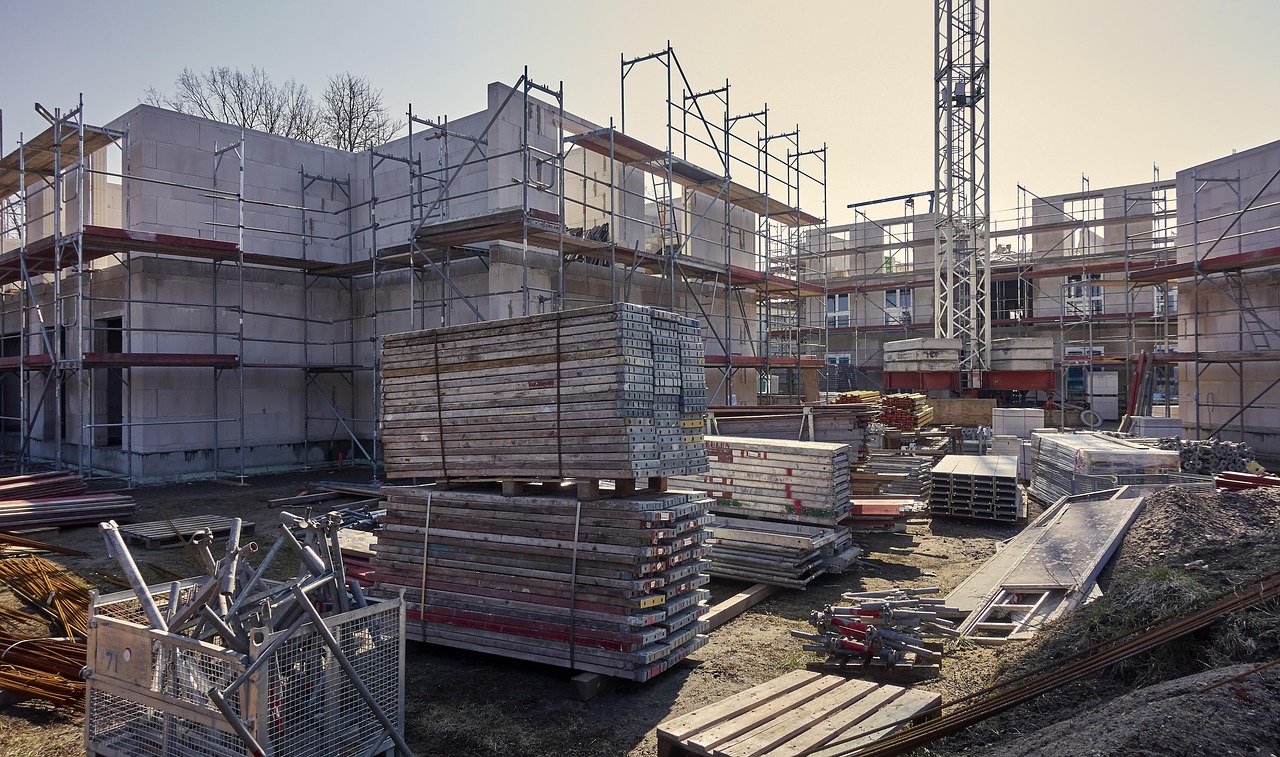
When planning your ADU project, assessing your property is a crucial step in the process. Several key factors influence the cost of construction, making a detailed professional ADU cost analysis essential. Experienced ADU builders consider these aspects to provide accurate estimates, ensuring your project stays on budget.
First, local ADU building costs vary significantly based on your region. Factors like labor rates, local permit fees, and material costs differ from city to city, state to state. Therefore, obtaining a site-specific adu cost estimator is vital. An online platform or local builder can provide a baseline budget tailored to your area.
Next, the size and complexity of your ADU play a significant role in the overall cost. Smaller, simpler units tend to be less expensive than larger, more intricate designs. This includes factors like the number of rooms, the type of finishes used, and any additional features like built-in appliances or custom flooring. Using an adu cost estimator tool that allows for detailed customization can help you envision and budget for your project's unique needs.
The condition of your existing property influences construction costs. If your property requires substantial renovations or site preparation, these costs may be factored into the overall budget. If your property has old electrical wiring, you may need to update it to meet modern safety standards, adding to the project's price tag. An experienced ADU builder can perform a thorough assessment and incorporate these potential expenses into your adu cost estimator.
Choosing the Right ADU Cost Estimator Software
Choosing the right adu cost estimator software is crucial for a successful project. These tools are not one-size-fits-all; they must align with your specific needs, whether you're a homeowner planning a small, modular ADU or a larger, custom-built structure. Top-rated ADU project estimators integrate with budgeting and accounting software, ensuring a seamless financial flow throughout construction.
A comprehensive adu cost estimator should factor in both the ADU's value and construction cost analysis. While the former is important for securing a fair market price, the latter is key to avoiding budget overruns. A detailed estimate should consider local building materials, labor rates, and any necessary permits, which can vary widely by region. This is where legal requirements for ADU contractors come into play; an estimator that understands these regulations will help ensure compliance and prevent costly delays.
When selecting an estimator, look for features that support pre-and post-construction budgeting, as well as real-time updates on material and labor costs. Some estimators even offer scenario planning tools, allowing you to explore different design options and their financial implications. A homeowner considering a 400 sq. Ft. ADU in a medium-cost city might find an estimator that breaks down costs by material type, allowing them to make informed decisions about finishes and appliances. Regularly updating your estimate as the project progresses ensures accuracy and helps you manage cash flow effectively.
Step-by-Step Guide: Using ADU Cost Estimation Tools
For homeowners considering an Accessory Dwelling Unit (ADU), one of the most crucial steps is budgeting. This is where an ADU cost estimator comes in. These tools, available online, are designed to provide a detailed breakdown of potential expenses, helping you make informed financial decisions. Start by inputting your project specifics: square footage, location, and desired features. Reputable estimators will factor in local building codes and permit costs, ensuring accuracy.
Next, compare the results from different estimators. Keep in mind that these tools are predictions, and actual costs can vary. A detailed software review might highlight the nuances between platforms, exposing expert insights on which estimators excel at reflecting local market conditions. An experienced ADU builder's cost analysis should align with the estimator's output, validating the estimate's realism.
The goal is not just to find a low estimate but to understand where costs might fluctuate. By scrutinizing the estimator's breakdown, you can identify areas where you might cut corners ethically (e.g., selecting less expensive materials) or areas where professional help is essential (e.g., complex electrical work). This proactive approach can help you avoid ADU cost overruns later on, ensuring your project stays on budget and on schedule.
Analyzing Costs: Labor, Materials, and Permits
Analyzing Costs: Labor, Materials, and Permits
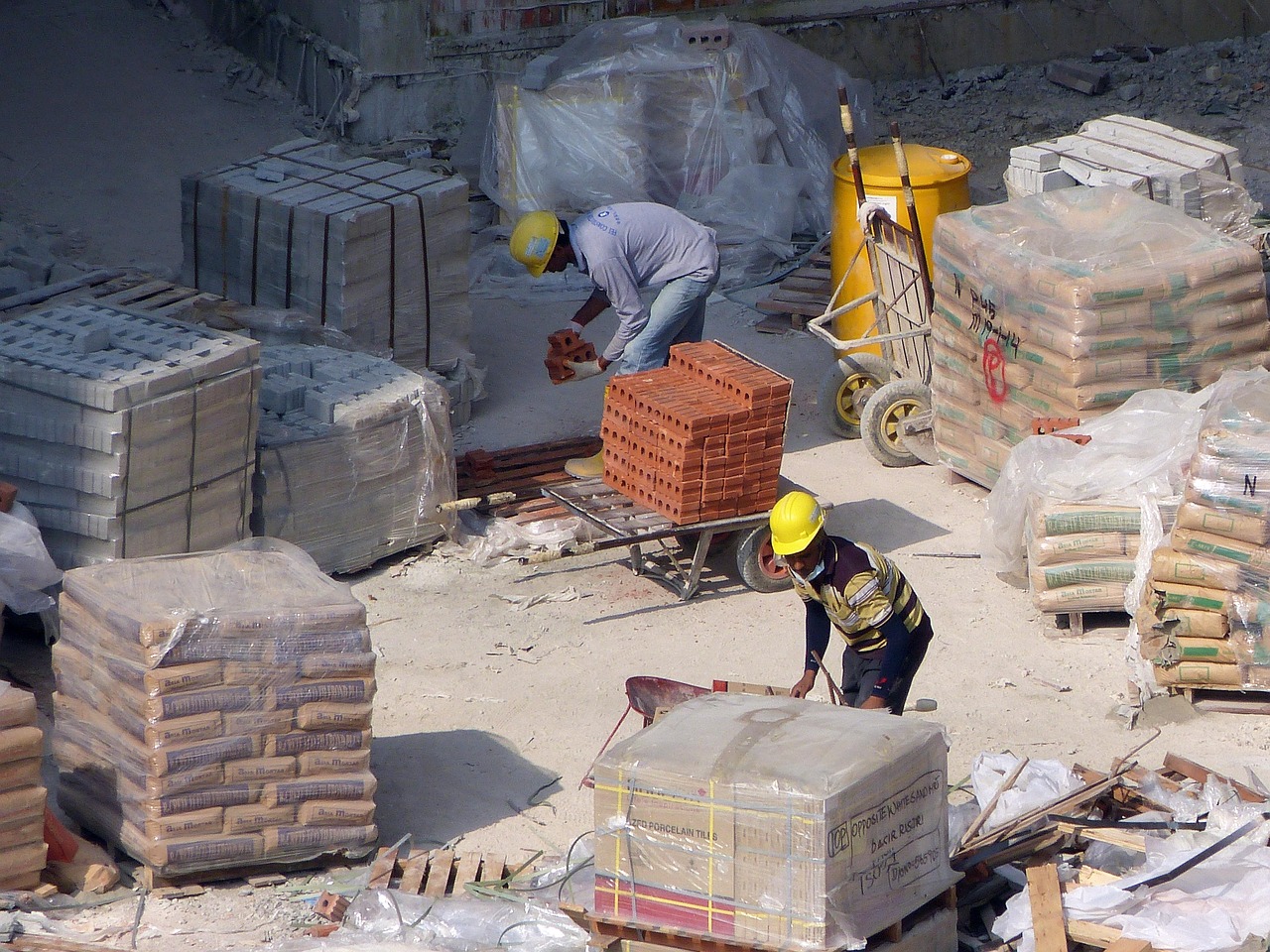
When considering an ADU (Accessory Dwelling Unit) project, understanding the cost breakdown is crucial. A comprehensive adu cost estimator is your tool to make informed decisions, breaking down expenses into labor, materials, and permits. Let's examine each component.
Labor costs represent a significant portion of any construction project. For ADUs, these costs can vary widely based on factors like location, complexity of the design, and the size of the project. Engaging with licensed ADU builders reviews and seeking professional professional ADU cost analysis can provide a clearer picture of local labor rates. In urban areas with a high demand for ADUs, labor costs might be higher due to the increased competition for skilled tradespeople. Conversely, remote locations may have lower labor costs, impacting your overall budget.
Materials expenses encompass everything from foundation and framing to roofing and finishes. The cost of these materials can fluctuate based on market demand, availability, and quality. Utilizing an adu cost estimator allows you to compare material costs across different suppliers and select options that align with your budget and desired quality. Remember, the key to staying on track is detailed planning, which includes a thorough assessment of both labor and material needs.
Permits are an essential yet often overlooked aspect of construction. Obtaining the necessary permits can involve fees charged by local building departments, varying by region and project type. An adu cost estimator can help you anticipate these costs and ensure compliance with local regulations. In some areas, a simple ADU might require fewer permits than a more complex expansion, impacting the overall project budget.
By meticulously analyzing labor, materials, and permits, you'll be better equipped to manage your ADU project's financial aspects. This strategic approach, guided by a reliable adu cost estimator, can lead to a successful project, ensuring that your investment is both well-informed and within your financial reach.
Real-World Scenarios: Case Studies and Success Stories
In the realm of accessory dwelling unit (ADU) construction, where local building costs and project budgets can vary wildly, reliable ADU project budgeting tools like adu cost estimators have become indispensable for homeowners. Real-world case studies highlight the transformative power of these tools. Consider the experience of Sarah and Mike, a couple who decided to convert their backyard into a legal ADU to accommodate aging parents. This early budgeting precision allowed them to make informed decisions about materials, contractors, and design choices, ultimately saving them significant time and money.
One of the most striking examples of successful ADU project management is the transformation of a run-down property in Los Angeles. Local contractors, guided by an advanced adu cost estimator, turned the property into a modern, two-bedroom ADU, enhancing the surrounding neighborhood. The estimator's ability to account for local building codes, permit fees, and material costs played a crucial role in this project's success. It ensured that the builders stayed on budget, minimizing unexpected expenses that can plague even the best-planned projects. This story underscores the importance of an accurate adu cost estimator in understanding local ADU building costs.
Beyond individual success stories, reliable adu cost estimator software is reshaping the ADU construction industry. It allows homeowners and contractors to collaborate more effectively, ensuring that everyone is aligned on project goals and financial expectations. By providing detailed cost breakdowns and real-time updates, these tools empower stakeholders to make data-driven decisions, further reducing the risk of cost overruns. As the ADU market continues to grow, these innovative budgeting tools will become even more vital, enabling both homeowners and professionals to navigate the complexities of ADU project management with confidence and success.
Maximizing ROI: Tips for Smart ADU Homeowners

Maximizing ROI: Tips for Smart ADU Homeowners
When considering an ADU (Accessory Dwelling Unit), one of the most crucial aspects for homeowners is ensuring a solid return on investment. Using an adu cost estimator can be a powerful tool to make informed decisions, but it's just the beginning. To maximize your ROI, a strategic approach is essential. Start by gathering same-day ADU quotes from reputable local contractors. This not only gives you a quick understanding of costs but also helps you gauge the market rate and choose a fair price.
Comparing construction costs is a critical step in the process. An ADU construction cost comparison can reveal significant variations between contractors, highlighting the importance of shopping around. The price for a basic 200-square-foot ADU can range from $50,000 to $100,000 or more, depending on factors like location, complexity, and materials. An emergency ADU construction, while often necessary, comes with its own set of costs and considerations. Unexpected issues can arise, adding to the overall price, so it's wise to factor in a contingency fund.
Beyond initial construction costs, think about long-term value. An ADU can increase your home's overall value, providing a potential rental income stream or, if needed, a place for family or guests. When deciding on design and features, balance aesthetics with functionality and the potential rental market in your area. Some renovations, like adding a full kitchen and separate entrance, may yield a higher ROI than others. Consider the time and effort involved in managing an ADU. Will you handle rentals yourself or use a property management service? These operational costs should also factor into your financial planning. Utilizing an adu cost estimator throughout the process ensures you have a clear financial roadmap, enabling you to make smart decisions that align with your goals and budget.
Frequently Asked Questions About ADU Cost Estimator: Tools and Resources for Smart Homeowners
What is an ADU, and why is it important? An Accessory Dwelling Unit (ADU) is a secondary residential unit on a property, often a separate structure or converted portion of an existing home. It's gaining popularity as a smart solution for homeowners looking to increase their living space, generate rental income, or age in place. ADUs offer flexibility, privacy, and potential cost savings by combining living space with nearby primary residence.
How do I estimate the cost of building an ADU? Estimating ADU costs involves multiple factors. Consider architectural plans, building permits, labor, materials, and utility connections. Online tools and software can help by factoring in your location, plan details, and market rates for labor and materials. Consult local building departments for permit fees, and talk to contractors for detailed, location-specific cost breakdowns.
What tools are available for ADU cost estimation? Several online tools and software platforms streamline ADU cost estimation. Some popular options include specialized ADU cost calculators, home remodeling estimators with ADU modules, and budget-planning apps. These tools typically require input on building size, materials, and local market data for accurate estimates.
Are there any cost-saving strategies for ADU construction? Absolutely. Consider using cost-effective building materials, seeking out local permits and labor rates, and negotiating with suppliers. DIY aspects of the project can also significantly reduce costs, though professional expertise is crucial for safety and quality. Designing an energy-efficient ADU can lower construction and utility expenses in the long term.
How do I choose a reliable contractor for my ADU project? Research is key. Check online reviews, ask for referrals, and request bids from multiple contractors. Verify their licenses, insurance, and experience with ADU projects. A reputable contractor will provide transparent pricing, detailed plans, and a clear timeline, ensuring a smooth and successful ADU construction process.
What permits are required for ADU construction? ADU construction requires various permits, including building, zoning, and, in some cases, utility permits. Check with your local building department for specific requirements. Understanding and securing these permits early in the process ensures smooth construction and avoids costly delays.
Can I finance the construction of an ADU? Yes, various financing options are available for ADU construction, including personal loans, home equity lines of credit, or loans specifically designed for home improvements. Consult with a financial advisor or lender to explore suitable financing based on your creditworthiness and project budget.
As you've navigated this practical guide to ADU cost estimators, you're now equipped with the knowledge to make informed decisions about your accessory dwelling unit project. The key to a successful ADU build lies in accurate cost estimation, a process that has evolved significantly with the advent of advanced tools and resources.
From understanding the basic mechanics of ADU cost estimators to analyzing real-world case studies, you've learned that these tools are not just calculations; they are your roadmap to a profitable and efficient project. The right adu cost estimator can help you anticipate expenses, manage your budget, and even attract potential investors.
Moving forward, consider these practical steps:
- Assess Your Property: Utilize the insights from our section on property evaluation to get an accurate cost estimate tailored to your location and project size.
- Choose the Right Software: Explore the options and select a tool that aligns with your project's complexity and your comfort level.
- Maximize ROI: Implement the tips on maximizing return on investment to ensure your ADU not only adds value to your property but also generates a steady income stream.
By embracing these learnings and leveraging the resources discussed, you're well-prepared to embark on your ADU journey with confidence. The world of smart homeowners is evolving, and with these tools at your disposal, you're set to lead the way.
An adu cost estimator is a vital tool for homeowners planning an ADU project, providing a realistic financial snapshot. These tools range from basic online estimators to detailed software, each offering unique levels of complexity. The best choice depends on comfort with numbers and project complexity. Key factors influencing ADU costs include local building costs, ADU size, and design choices. Using an estimator that accounts for permits, inspections, and emergency costs is crucial. Step-by-step guidance involves inputting project details, comparing results, and scrutinizing the breakdown to make informed decisions. Real-world case studies highlight the success of accurate estimators in managing costs, enhancing project outcomes, and reshaping the ADU construction industry. Maximizing ROI requires comparing quotes, understanding long-term value, and considering operational costs.