
The growing demand for accessory dwelling units (ADUs) has made efficient cost management a crucial aspect of construction. For homeowners considering an ADU, navigating the financial complexities can be overwhelming. The project's success depends on meticulous planning and an accurate understanding of the expenses involved. This article serves as a practical guide for beginners, offering practical insights into managing the costs of ADU construction. We'll explore the role of an ADU cost estimator, a valuable tool that helps homeowners budget, plan, and make informed decisions throughout the construction process.
- Understanding ADU Costs: Essential Factors to Consider
- Budgeting for Materials: A Detailed Breakdown
- Labor Costs: Accurately Estimating Manpower Needs
- Permits and Inspections: Navigating Regulatory Fees
- Project Management: Efficient Planning for Cost Savings
- Utilizing an ADU Cost Estimator: Step-by-Step Guide
- Case Studies: Real-World ADU Cost Analysis
Understanding ADU Costs: Essential Factors to Consider

Understanding ADU Costs: Essential Factors to Consider
One of the most crucial steps in your ADU (Accessory Dwelling Unit) project is understanding the cost breakdown. The initial investment can vary greatly based on several factors, making it essential to have a comprehensive adu cost estimator. This tool, often available as software or apps, helps you predict expenses accurately. IOS users can explore various adu cost estimator apps designed to simplify this process. Remember, a well-planned budget is the cornerstone of a successful project.
Key factors influencing ADU costs include location, size, complexity of design, and the type of construction. Where you live significantly impacts the price tag due to varying local building codes, permit fees, and labor costs. Similarly, larger ADUs or those with unique architectural features will generally be more expensive. Complex designs may require specialized contractors and materials, adding to the overall expense.
When selecting a builder, consider licensed ADU builders reviews to gauge their reputation and past projects. Many adu cost estimator software reviews highlight the importance of a builder's experience and how it can impact your budget. An efficient builder might be able to streamline the construction process, reducing labor costs. Understanding the materials and finishes you desire is crucial for an accurate estimate. High-end finishes or eco-friendly materials may increase the price but can also enhance the long-term value of your ADU.
Incorporating an adu cost estimator early in the process allows you to make informed decisions. It helps you identify potential cost-saving strategies, such as choosing a simpler design or selecting cost-effective materials. By the time you engage with licensed ADU builders, you'll have a clear idea of your budget constraints and expectations, facilitating a smoother construction journey.
Budgeting for Materials: A Detailed Breakdown
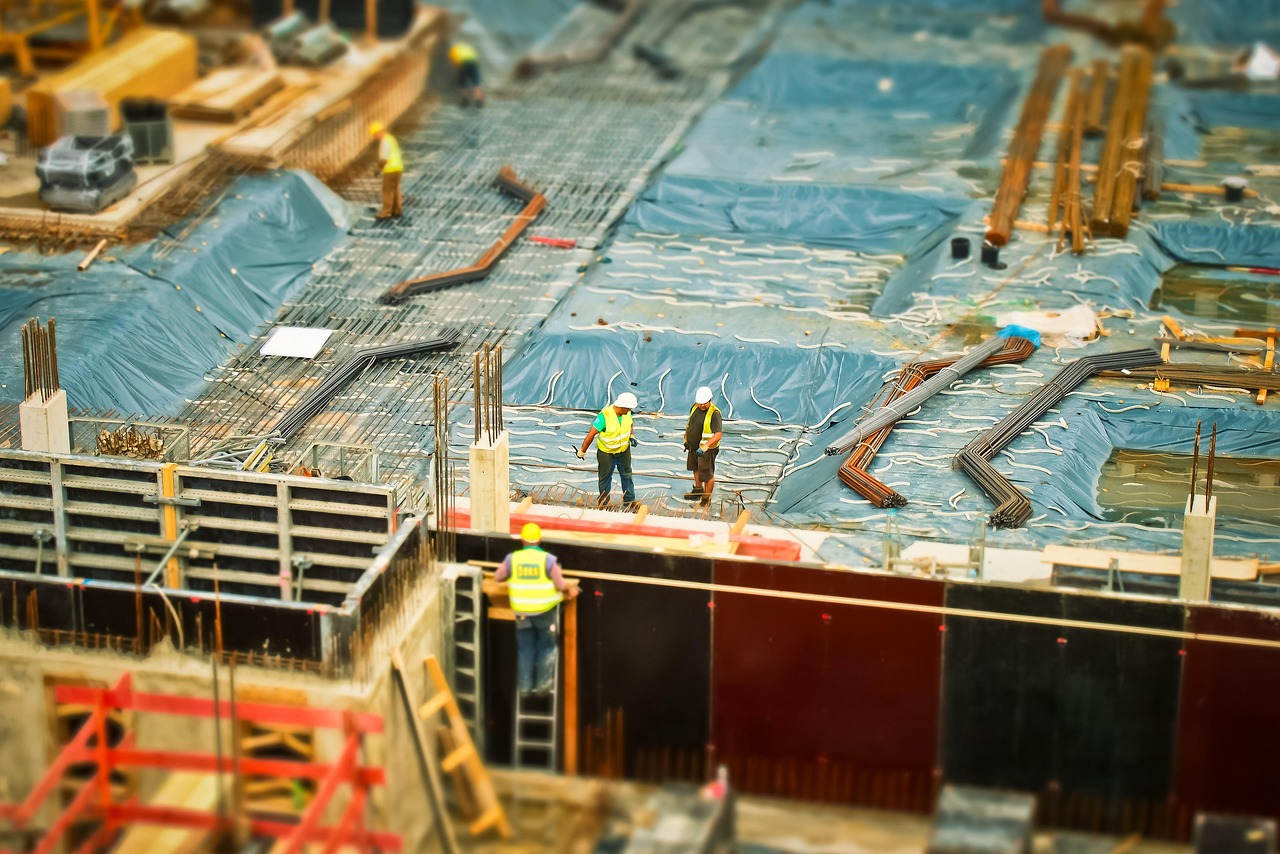
One of the most crucial aspects of ADU (Accessory Dwelling Unit) construction is navigating the material costs. Using an adu cost estimator can provide a baseline, but material prices can fluctuate based on market demand, supply chain issues, and regional availability. Before breaking ground, homeowners should expect a detailed breakdown of material expenses. This includes everything from foundation materials to framing, plumbing, electrical, and finishes. The cost of concrete for a slab foundation can vary based on the complexity of the pour and local concrete supplier rates. Similarly, the choice of window and door materials will significantly impact the overall cost.
Legal requirements for ADU contractors also dictate the materials used, particularly in terms of structural integrity, energy efficiency, and fire safety. Homeowners should ensure the chosen materials meet local building codes and work with reliable ADU project budgeting experts to account for these legal mandates. Thoroughly researching nearby ADU renovation prices can offer a good starting point, but remember that these estimates often exclude labor costs. An adu cost estimator can help compare material prices from various suppliers, promoting transparency and ensuring the best value.
Effective budgeting involves creating a comprehensive materials list, obtaining quotes from multiple suppliers, and factoring in potential price fluctuations. A reliable ADU project manager can assist in this process, using their industry connections to source materials at competitive prices. Keeping a close eye on market trends and material availability will help prevent budget overruns. By prioritizing transparent pricing, adhering to legal requirements, and proactively managing material choices, homeowners can ensure their ADU project stays on track and within budget.
Labor Costs: Accurately Estimating Manpower Needs

Labor costs are a significant factor in any ADU construction project, and accurately estimating these expenses is crucial for reliable ADU project budgeting. The first step in managing labor costs effectively is understanding the manpower needs specific to your project. This involves a detailed assessment of the tasks involved, the complexity of the build, and the local labor market dynamics. A simple ADU addition might require a smaller team than a more intricate project involving structural modifications.
Experienced ADU builders can provide valuable insights into the typical labor hours and rates for various tasks. Using these estimates, an adu cost estimator can be employed to calculate a more precise budget. However, it's essential to account for potential fluctuations in labor costs, as they can be influenced by factors like seasonal demand, skill scarcity, and local economic conditions. Legal requirements for ADU contractors vary by region, and ensuring compliance can impact project costs. Understanding these variables allows for better preparation and a more accurate reflection of labor expenses in your final budget.
To optimize labor cost estimation, homeowners should engage with reputable local ADU builders and suppliers. Their expertise and up-to-date knowledge of market rates can significantly improve the accuracy of your adu cost estimator. Regularly reviewing and updating your budget throughout the project lifecycle, especially after significant milestones, ensures that labor costs remain in line with initial projections. This proactive approach, combined with the guidance of experienced professionals, will contribute to a successful and cost-effective ADU construction project.
Permits and Inspections: Navigating Regulatory Fees

Navigating permits and inspections is a critical yet often overlooked aspect of ADU construction, and it matters in managing your project's budget. The adu cost estimator is a valuable tool to predict potential expenses, but it's essential to understand that regulatory fees can vary widely depending on your location and the specifics of your project. These fees are charged by local building departments to cover the cost of reviewing and approving construction plans, ensuring compliance with building codes, and providing essential safety inspections.
The first step in managing these costs is to research and understand the permitting process in your area. Each municipality has its own set of rules and regulations, and the application process can differ significantly. Some cities may require you to submit detailed architectural plans, while others might have simplified forms for smaller projects. Engaging with your local building department early on can help you anticipate potential delays and additional costs. It's advisable to consult with experienced ADU contractors who are familiar with the local permits and can guide you through the process, ensuring your project stays on track and within budget.
Inspections are another critical aspect, as they verify that your construction meets the required standards. These typically include structural integrity, electrical safety, and plumbing compliance checks. Many cities offer online platforms for scheduling inspections, providing a more efficient process. However, it's essential to understand that missed or delayed inspections can result in costly fines and project delays. Utilizing an affordable ADU cost estimator can help you budget for these potential expenses, ensuring you're prepared for any regulatory hurdles.
ADU value vs. Construction cost analysis is a strategic consideration at this stage. While the adu cost estimator provides a construction cost breakdown, comparing it to the expected property value post-completion is crucial. This analysis ensures that your investment is financially sound and aligns with local market trends. With the right adu cost estimator apps for iOS, available online tools can offer real-time property value estimates, making this process more accessible. By combining these practical insights, homeowners can make informed decisions, ensuring their ADU project is both affordable and profitable.
Project Management: Efficient Planning for Cost Savings

Efficient project management is a cornerstone of successful ADU construction, allowing homeowners to optimize their budgets and minimize unexpected costs. A well-planned project ensures that every step, from initial design to final inspection, aligns with clear goals and legal requirements. This meticulous approach is where an adu cost estimator proves invaluable. By breaking down the project into manageable phases, contractors and homeowners can identify potential problem areas and allocate resources efficiently.
Consider the following: a professional ADU contractor will begin with a thorough site assessment, factoring in local building codes, property appraisals, and unique site challenges. They'll then develop a detailed project plan, incorporating timelines, material specifications, and labor costs. This plan serves as a roadmap for the entire process, allowing for better cost predictions. Identifying potential delays or material price fluctuations early can help adjust the budget accordingly.
Once the plan is in place, regular progress meetings with all parties involved-contractors, project managers, and homeowners-can help ensure the project stays on track. These meetings provide an opportunity to discuss any changes in scope, legal requirements, or budget constraints. A professional ADU cost analysis at these junctures can help catch potential cost overruns before they occur. This proactive approach, coupled with a detailed adu cost estimator, ensures that the final construction costs align with expectations, leading to a successful project completion.
Utilizing an ADU Cost Estimator: Step-by-Step Guide
Estimating the cost of an ADU (Accessory Dwelling Unit) project can feel like navigating a maze, but fear not! An adu cost estimator acts as a reliable guide, offering a structured approach to reliable ADU project budgeting. These tools are designed to help homeowners and contractors predict expenses, ensuring a smoother construction process. Start by inputting your ADU's dimensions and specifications. Consider the number of bedrooms, square footage, and energy-efficient features you plan to incorporate, as these factors significantly impact the bottom line. Many online estimators provide a comprehensive breakdown of potential costs, categorized by labor, materials, permits, and even unexpected expenses.
As you build out your ADU, incorporating green building practices can reduce long-term operational costs and contribute to a healthier environment. Think energy-efficient appliances, insulation, and lighting. Some adu cost estimators have built-in filters to highlight eco-friendly options and their associated costs, making it easier to align your project with sustainability goals. Remember, a well-planned budget is crucial, especially when unexpected challenges arise. That's where an adu cost estimator comes in again; it can help you prepare for emergency ADU construction costs, such as permits, extra labor, or material shortages, by providing a buffer in your estimated budget.
Once your estimate is complete, review it carefully. Compare it with similar projects in your area to gauge realism. If you're unsure about any line items, don't hesitate to reach out to local contractors or property appraisers for insights. An adu cost estimator is a powerful tool, but it's always beneficial to get expert opinions to refine your budget. This ensures that your ADU project stays on track financially and is built to last, incorporating the latest in green building practices.
Case Studies: Real-World ADU Cost Analysis
When planning an ADU (Accessory Dwelling Unit) project, understanding the true cost is crucial, and that's where an adu cost estimator comes in. Let's examine some real-world scenarios to illustrate reliable ADU project budgeting. In one recent study, a homeowner in a rapidly growing suburb sought to convert their garage into a self-contained ADU to accommodate a growing family. After consulting with local licensed ADU builders and legal experts to ensure compliance with the area's legal requirements for ADU contractors, the homeowner estimated a total project cost of $150,000 to $200,000. This range included everything from permit fees and building materials to labor and professional services.
The project involved significant structural changes, including reinforcing the garage floor to support the additional living space. The final budget was influenced by the homeowner's desire for high-end finishes, such as custom cabinetry and energy-efficient appliances, which pushed the cost higher than initial estimates. This case highlights the importance of detailed planning and considering all potential costs, especially when aiming for a specific design and quality standard.
Another notable project involved a couple who wanted to add an ADU to their property to generate rental income. They partnered with an experienced team of licensed ADU builders, who provided a breakdown of costs tailored to their needs. The final estimate, using an adu cost estimator tool, was approximately $250,000, including a 10% contingency fund for unexpected expenses. This project's success relied on transparent communication between the homeowners and contractors, as well as a clear understanding of the local market and potential rental income.
In both instances, employing the services of licensed ADU builders and utilizing an adu cost estimator played a pivotal role in ensuring realistic expectations and successful project outcomes. These case studies demonstrate that proper budgeting for ADU construction requires a comprehensive approach, considering both the tangible costs of materials and labor and the less tangible but equally important legal and planning requirements.
Frequently Asked Questions About ADU Construction 101: A Beginner's Guide to Cost Management
What is an ADU, and why is it a cost-effective option for homeowners? An Accessory Dwelling Unit (ADU) is a secondary residential structure built on a property, offering an affordable housing solution for homeowners. It can be a cost-effective option due to its space optimization, allowing for more livable area without the need for a full renovation. ADUs are especially beneficial for those looking to live independently while staying connected to their primary home and yard.
How do I estimate the cost of building an ADU? Cost estimation involves considering several factors: the size and complexity of the ADU, local building codes and permits, utility connections, and labor. A thorough site assessment is crucial. Consult with professionals, including architects and contractors, who can provide detailed quotes based on your specific needs and location. Remember, costs can vary widely, from $100 to $400 per square foot, depending on the region.
What permits are required for ADU construction? ADU construction requires compliance with local building codes and zoning laws. Permits typically include a building permit, a mechanical permit, and sometimes a plumbing permit. It's essential to check with your local building department to understand the exact requirements and application process for each permit.
How long does an ADU project typically take to complete? Most ADU installations take one to two days for basic construction, but this can vary. The timeline depends on factors like the size and complexity of the unit, the availability of materials, and weather conditions. Additional time may be required for permits, site preparation, and final inspections.
Who should I hire to build my ADU? Hiring a licensed and experienced contractor is crucial for a successful ADU project. They should have expertise in ADU construction, including knowledge of local regulations. Consider hiring an architect to design the ADU to ensure it meets your needs and complies with codes. Referrals from friends or neighbors can be a good starting point for finding reputable professionals.
Navigating the complexities of ADU construction requires a strategic approach to cost management. By understanding the essential factors influencing costs, budgeting effectively for materials, and accurately estimating labor needs, homeowners and contractors can ensure successful and cost-efficient projects. Permits and inspections, while regulatory, can be streamlined with proper planning and knowledge of local requirements. Utilizing an ADU cost estimator, such as the online platforms mentioned, serves as a critical tool for accurate budgeting and planning.
The case studies highlighted in this guide demonstrate the practical application of these principles, providing real-world insights into the economic feasibility of ADU projects. By embracing efficient project management strategies and leveraging the latest cost estimation tools, builders and homeowners can achieve the potential of ADU construction while maintaining a keen focus on financial responsibility. These practical steps, combined with the data-driven approach of an adu cost estimator, empower stakeholders to make informed decisions, ensuring ADU projects are both profitable and environmentally sustainable.
Understanding ADU Costs:
- An adu cost estimator is crucial for planning, breaking down expenses based on location, size, design, and construction type.
- Material prices are volatile, influenced by market demand, supply chain issues, and local suppliers; a detailed breakdown is essential.
- ADU contractors with experience and industry connections can source materials at competitive prices, ensuring transparent pricing.
Project Management:
- Efficient project management, including site assessment, detailed planning, and regular progress meetings, optimizes budgets and minimizes unexpected costs.
- Adu cost estimators guide this process by breaking down phases, allowing for cost predictions, problem areas identification, and resource allocation.
- Incorporating green building practices can reduce long-term costs and align with sustainability goals, with some estimators filtering for eco-friendly options.
Real-World Applications:
- Transparent communication, local market analysis, and contingency funds are key to successful ADU projects, ensuring budgetary control and project completion.