
In the bustling landscape of urban living, accessory dwelling units (ADUs) offer a compelling solution to the housing crisis, providing extra space and income. However, the path to a successful ADU conversion project is fraught with potential pitfalls, particularly for managing costs. Overruns can quickly turn a manageable project into a financial burden, leading to frustration and delay. This article is your guide to navigating the complexities of ADU construction, focusing on a critical component: the adu cost estimator. We'll explore practical strategies and best practices to avoid cost overruns, ensuring your project stays on budget and on track.
- Plan Thoroughly: Your Blueprint for Cost Control
- Accurate Estimation: The Key to Avoiding Surprises
- Material Selection: Weighing Cost vs. Quality
- Contractor Choice: Finding Reliable, Cost-Conscious Pros
- Permits and Inspections: Navigating Regulatory Hurdles
- Budget Buffer: Preparing for Unforeseen Expenses
- Regular Reviews: Keeping Project on Track and within Budget
Plan Thoroughly: Your Blueprint for Cost Control
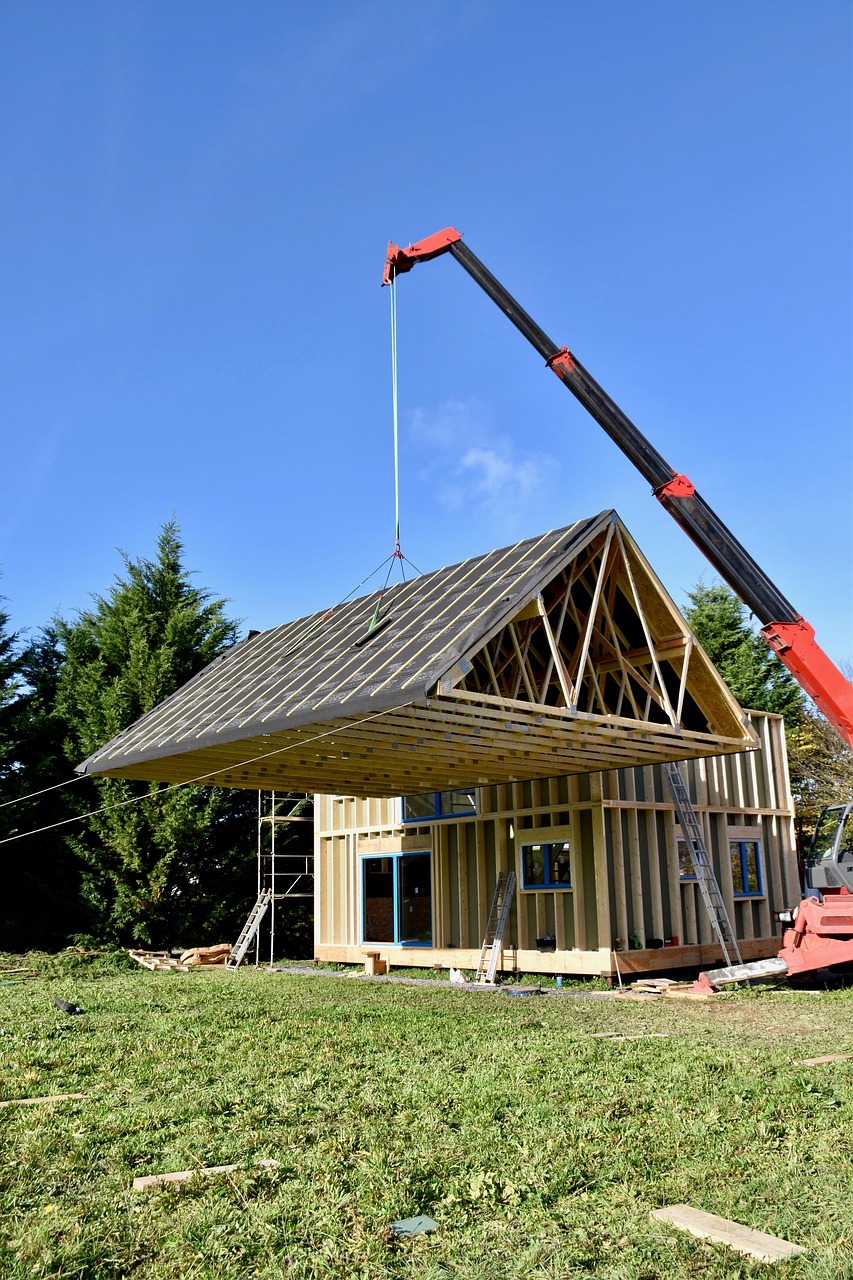
A thorough plan is your most powerful weapon against cost overruns in an ADU conversion project. It's not just a blueprint; it's a roadmap that guides you through every step, from material choices to permit applications, ensuring you stay on budget and on track.
Consider this your beginner's guide to ADU costing, where a professional ADU project estimator plays a pivotal role. They're the experts who can walk you through the complex calculations, factoring in everything from labor rates to local permit fees. Think of them as your financial navigators through this complex process. An adu cost estimator can help you predict material costs by analyzing similar projects in your area, taking into account local market fluctuations.
Don't underestimate the value of a detailed plan. It's like building a house on a solid foundation. You wouldn't start construction without architectural drawings, right? The same logic applies here. A comprehensive plan allows you to identify potential problem areas before they become costly surprises. It enables you to make informed decisions about materials, finishes, and even the layout of your ADU, ensuring your project stays within your budget.
Prioritize clear communication throughout. Engage with top-rated ADU project estimators who can provide a professional analysis, translating complex numbers into understandable terms. Be prepared to share your design plans, building specifications, and budget constraints. The more information you provide, the more accurate their estimates will be. Remember, a well-planned project is a successful project, one that avoids the pitfalls of cost overruns.
Accurate Estimation: The Key to Avoiding Surprises

Accurate estimation is the cornerstone of a successful ADU conversion project. Without a reliable adu cost estimator, homeowners run the risk of significant budget overruns, delays, and disappointment. The key to avoiding these surprises lies in understanding the nuances of budgeting for an ADU and utilizing modern tools to predict costs accurately.
While some homeowners might opt for a rough estimate based on online general adu cost estimator apps for iOS, this approach can lead to substantial discrepancies. The complexity of an ADU project varies greatly depending on factors like the size, design, and local building codes. A simple, small ADU may cost significantly less than a larger, more intricate unit, not to mention regional price differences. A professional adu cost estimator, ideally one experienced in your local market, can account for these variables and provide a far more precise budget.
An effective adu cost estimator app or software will not only consider construction costs but also factor in permit fees, inspections, and potential value-added services like property appraisal and emergency construction teams. Budgeting for a standard permit can range from $500 to $2,000 depending on your location, while an experienced contractor might recommend additional services to enhance your ADU's value, such as high-end finishes or energy-efficient upgrades. By including these details in the adu value vs. Construction cost analysis, you can develop a comprehensive budget that aligns with your expectations and goals.
Before starting your ADU conversion project, thorough budgeting and cost estimation are essential. Use an adu cost estimator to break down expenses into manageable components, ensuring you allocate funds appropriately. This strategic approach will not only help you avoid cost overruns but also allow for better financial planning and peace of mind throughout the construction process.
Material Selection: Weighing Cost vs. Quality

Choosing the right materials is a critical yet often overlooked aspect of avoiding cost overruns in your ADU conversion project. While it's tempting to opt for the most affordable option, a beginner's guide to ADU costing emphasizes the importance of balancing cost with quality. An adu cost estimator can help you visualize the financial impact of different material choices, but it's essential to understand the trade-offs involved.
When making your ADU value vs. Construction cost analysis, consider the lifespan and durability of materials. Cheaper options might require more frequent replacement, impacting your overall budget. Nearby ADU renovation prices can serve as a benchmark, but remember that costs vary based on location, contractor, and the complexity of the project. A steel frame ADU could be more expensive upfront but offers superior strength and resistance to fire, ensuring a safer and more durable structure. On the other hand, wooden frames are often more cost-effective but may require regular maintenance and replacement over time.
Actionable advice for navigating this decision includes setting a realistic budget and consulting with experienced local contractors. They can provide insights into the most cost-effective and high-quality materials suitable for your region and climate. Using an online adu cost estimator before finalizing your plans can help you identify potential savings or areas where costs might escalate unexpectedly. By making informed material choices, you can ensure your ADU project stays on track financially without compromising quality.
Contractor Choice: Finding Reliable, Cost-Conscious Pros

Choosing the right contractor is a critical step in avoiding cost overruns during your ADU (Accessory Dwelling Unit) conversion project. A reliable, cost-conscious professional can make a significant difference in both the final price and the efficiency of the build. Start by getting a professional ADU cost analysis tailored to your specific project. This detailed estimate should account for labor, materials, and any necessary permits, providing a clear baseline for your budget.
In the initial stages, focus on finding local ADU building contractors with a proven track record in your area. Online adu cost estimators can help you filter candidates based on both price and quality. Look for companies that offer transparent pricing structures and are willing to break down the costs involved in the renovation. Ask for itemized quotes that include a breakdown of labor, materials, and any additional fees. This transparency ensures you understand where your money is going and can identify potential cost-saving opportunities.
As the project progresses, maintain open communication with your contractor. Regularly review progress and costs to ensure the project stays on track financially. An adu cost estimator app or software can be a valuable tool for this, allowing you to track changes and updates to the estimate. Remember, unexpected issues may arise, so having a buffer in your budget is essential. However, proactive communication and a thorough understanding of the costs can help prevent significant overruns. Regularly comparing your actual expenses against the initial estimate can help you identify when adjustments are needed.
Permits and Inspections: Navigating Regulatory Hurdles
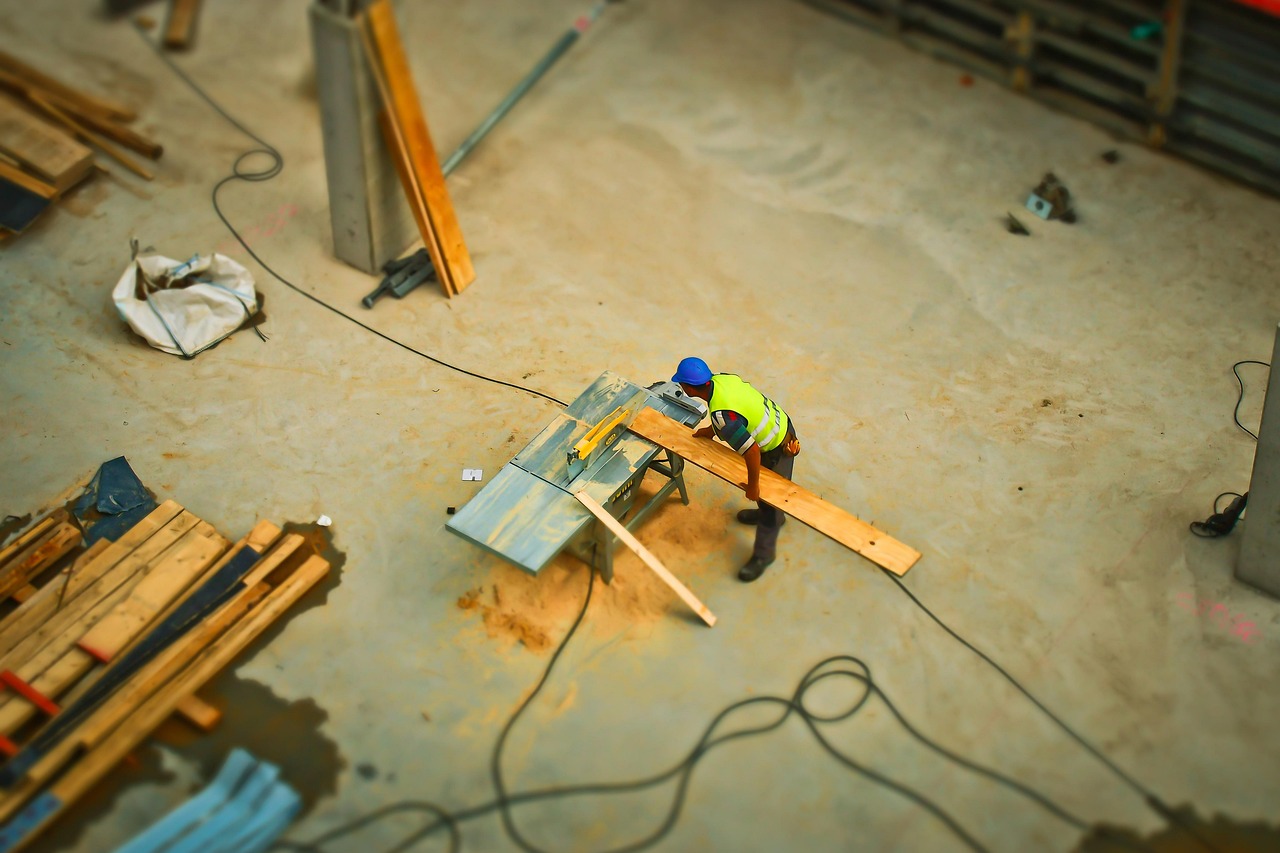
Navigating the regulatory landscape is a critical yet often overlooked aspect of ADU conversion projects. Permits and inspections are essential components that can significantly impact your project timeline and budget. Understanding the legal requirements and involving qualified professionals from the outset is key to avoiding cost overruns.
Obtaining the necessary permits from your local building department is a foundational step. These permits ensure your project complies with building codes and zoning regulations. Many homeowners opt for online adu cost estimator platforms to get a preliminary budget, but they should also budget for permit fees, which can vary widely depending on location and project size. Permit costs in urban areas might be higher due to stricter regulations. Engaging an experienced ADU contractor who is familiar with these processes can streamline this phase. They can guide you through the application process, ensuring all required documents are in order, and potentially saving you time and money.
Regular inspections during construction are mandatory in most jurisdictions to ensure safety and structural integrity. Same-day ADU quotes from multiple contractors, as offered by some online platforms, can be a helpful starting point, but they may not account for potential inspection delays. A comprehensive adu cost estimator software review should consider these factors. It's advisable to consult with your contractor or project manager to anticipate inspection schedules and potential disruptions to your project timeline. By being proactive and accounting for these regulatory hurdles, you can better manage expectations and ensure a smoother conversion process.
Budget Buffer: Preparing for Unforeseen Expenses
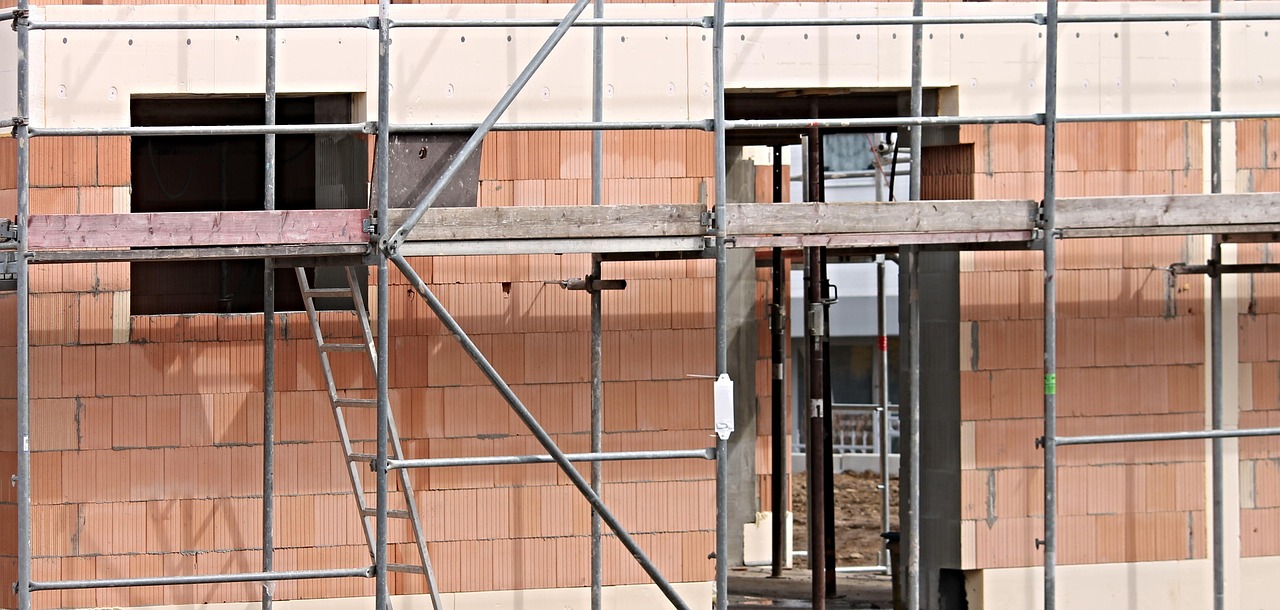
Building an ADU (Accessory Dwelling Unit) is a complex process that involves navigating legal requirements for ADU contractors, meticulous budgeting, and careful planning. One of the most significant challenges homeowners face is managing unforeseen expenses. To ensure a successful project without hitting unexpected cost overruns, it's crucial to include a substantial budget buffer in your ADU conversion plans.
While initial estimates using an adu cost estimator can provide a solid foundation, they're not crystal balls. Construction projects often encounter unexpected challenges, from unforeseen structural issues revealed during demolition to delays caused by permitting processes or material shortages. To account for these potential spikes, a good rule of thumb is to add at least 20% to your initial budget estimate. This buffer ensures that you have the financial flexibility to address unexpected costs without derailing your project.
Let's say your adu cost estimator predicts a $50,000 ADU construction project. Build a buffer by allocating an additional $10,000 to $15,000, bringing your total projected budget to $60,000 - $65,000. This allows for some breathing room if you encounter unexpected expenses, such as discovering that your foundation requires more extensive repairs than anticipated. By budgeting thoughtfully and including a buffer, you can transform your ADU vision into a reality without the added stress of financial strain.
Remember, the goal is not to over-budget but to be prepared. Thoroughly compare ADU construction costs from different contractors, ensuring you understand what's included in each estimate. This comparison will not only help you identify the most competitive pricing but also familiarize you with the typical range of expenses involved. Stay informed about local legal requirements for ADU contractors, as they can impact project timelines and, consequently, your budget. By taking these proactive steps, you'll be well on your way to a successful ADU conversion project.
Regular Reviews: Keeping Project on Track and within Budget
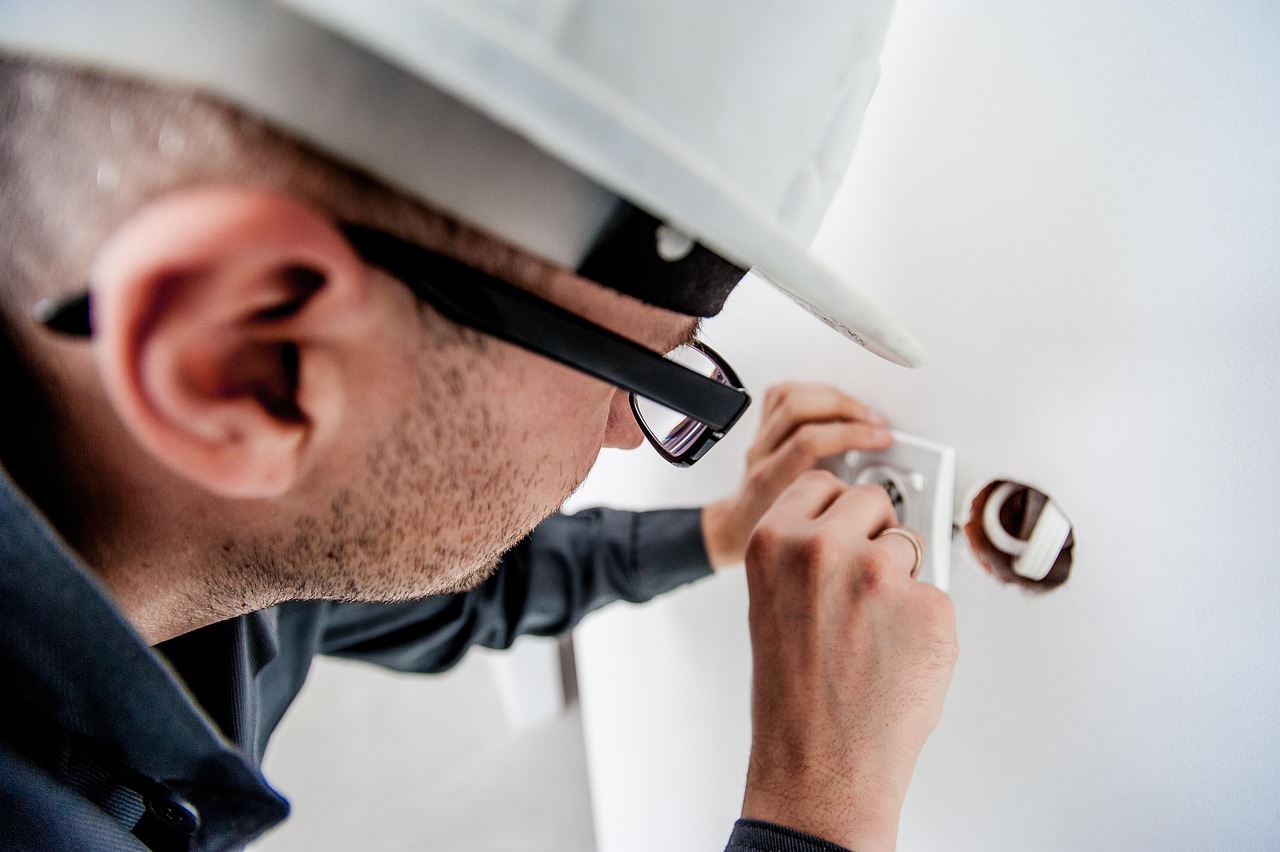
Regular reviews are essential to keeping your ADU (accessory dwelling unit) conversion project on track and within budget. An adu cost estimator, while useful for initial budgeting, becomes a critical tool during execution. It helps you compare same-day ADU quotes from reliable local contractors, enabling quick adjustments to your plan. A thorough review might reveal that incorporating green building practices, such as energy-efficient appliances and insulation, could save costs in the long run.
As your project progresses, weekly or bi-weekly reviews become crucial. These checks allow you to identify potential cost overruns early on. During these reviews, consider the following: examine whether the actual costs match your initial estimates; assess the work rate of your contractors; and evaluate any unexpected delays or changes in scope. A project manager might notice that the cost of materials for a custom kitchen has increased since the initial budgeting phase. By staying vigilant and regularly comparing actual costs against your adu cost estimator, you can make informed decisions to keep your project financially on target.
Regular reviews facilitate open communication with your project team. Discussing progress and potential issues openly can prevent costly surprises. Reliable ADU project budgeting, after all, isn't just about initial estimates; it's about managing expectations and adapting to changes throughout the construction process. A reliable ADU project manager might suggest alternative materials with similar quality but at a lower cost, helping to keep the project within budget while maintaining a high standard of work.
Finally, document every review and decision. This practice provides a clear audit trail, making it easier to track changes and justify cost adjustments. It also helps in future projects, allowing you to refine your budgeting and project management strategies based on your experiences. By embracing a culture of regular, thorough reviews, you'll significantly increase the likelihood of successfully completing your ADU conversion project within the planned budget.
Frequently Asked Questions About How to Avoid Cost Overruns in Your ADU Conversion Project
What is an ADU and why might I want to convert one?
An Accessory Dwelling Unit (ADU) is a separate, standalone housing unit within a property, often built over a garage or in a basement. Converting an ADU can provide extra living space, increase property value, and generate rental income. However, these projects can be costly, with potential for unexpected expenses.
How can I prevent cost overruns during an ADU conversion?
Thorough planning is key. Start with a detailed budget and timeline. Communicate openly with your contractor about expectations. Regularly review progress and expenses. Be prepared for permit fees, building materials fluctuations, and unforeseen structural issues that might add to the cost.
What should I budget for in an ADU conversion project?
Costs vary widely based on location, size, and complexity. Expect to cover permit fees, architectural and engineering services, building materials, labor, and potential utility upgrades. A well-planned budget should include 15-20% contingency for unforeseen expenses.
How do I choose the right contractor for an ADU conversion?
Research thoroughly, requesting referrals and comparing bids from multiple licensed, experienced contractors. Check their past projects and reviews. Ensure they have the necessary permits and insurance. A good contractor will offer transparent pricing, regular communication, and a clear project timeline.
What are common causes of ADU conversion cost overruns?
Unforeseen structural issues, permit delays, material price fluctuations, and changes in project scope are common causes. Unexpected problems can significantly increase costs, so be prepared for some flexibility in your budget.
How can I stay within my ADU conversion budget?
Stick to your initial plan and communicate any desired changes clearly with your contractor. Prioritize essential features and consider cost-effective materials and design choices. Regularly review invoices and progress reports to ensure expenses align with your budget.
As you've navigated through this guide on avoiding cost overruns in your ADU conversion project, you've learned that meticulous planning and budgeting, guided by a reliable adu cost estimator, are the cornerstones of successful, cost-conscious ADU construction. From accurate estimation to strategic material selection and the astute choice of contractors, each step requires careful consideration. Permits, inspections, and a built-in budget buffer are essential to navigate regulatory hurdles and unforeseen expenses. Regular reviews keep your project on track, ensuring you stay within budget. By implementing these key learnings and utilizing an adu cost estimator, you can transform your ADU project into a well-managed, cost-effective endeavor, leading to a rewarding expansion of your living space.
A thorough adu cost estimator and planning are crucial to avoid budget overruns. Engage professionals for detailed estimates, factoring in labor, materials, permits, and potential value-added services. Regularly review progress and costs, comparing against the initial estimate. Conduct weekly or bi-weekly reviews to identify overruns early. Document all reviews and decisions for a clear audit trail and future project refinements.