Accessory Dwelling Units (ADUs) are transforming urban living, offering flexible spaces for aging in place, multi-generational households, or extra income. However, the surge in ADU popularity has brought complexity to planning and budgeting. Homeowners often struggle to estimate construction costs accurately, leading to budget overruns and project delays. This practical guide examines the world of ADU cost estimators, empowering beginners to navigate this challenge. We'll explore various tools, from online estimators to specialized software, helping you make informed decisions, manage expectations, and ensure successful ADU projects.
- Understanding ADU Cost Estimators: Tools for Accurate Budgeting
- Key Factors Influencing ADU (Accessory Dwelling Unit) Construction Costs
- Selecting the Right ADU Cost Estimator Software
- Data Collection: Gathering Essential Project Details
- Using ADU Cost Estimator Features: Material and Labor Analysis
- Interpreting Estimates: Understanding Costs and Timeframes
- Best Practices for Refining and Using Your ADU Cost Estimate
Understanding ADU Cost Estimators: Tools for Accurate Budgeting
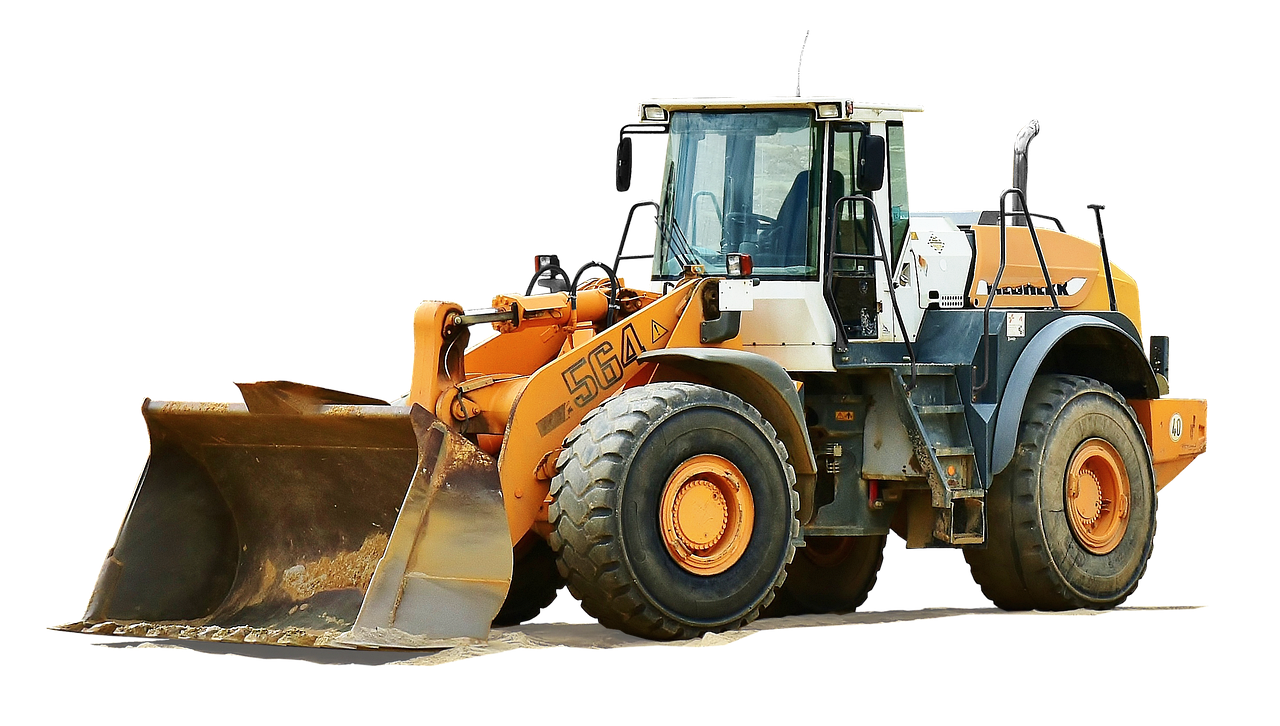
Understanding ADU Cost Estimators: Mastering Budgeting for Your Project
Accurate budgeting is the cornerstone of any successful ADU (accessory dwelling unit) project. That's where ADU cost estimator tools come into play. These apps and online platforms serve as invaluable guides for homeowners, helping them predict construction costs, compare different contractors, and make informed financial decisions. ADU cost estimator apps for iOS, like the ones offered by leading construction tech companies, allow users to input project details and receive instant, data-driven estimates. This technology is a major improvement, especially in a market where costs can vary wildly by location and project size.
When selecting an adu cost estimator, consider its comprehensiveness. A top-tier estimator should account for not just construction materials and labor but also permits, inspections, and potential contingencies. Incorporating these factors into your estimate is crucial for avoiding budget overruns. Integrating ADU project reviews and ratings from trusted platforms can provide insights into the performance and pricing of local contractors. This information is key to making an informed choice and ensuring you're not paying premium rates for subpar service.
A practical approach to using an ADU cost estimator involves breaking down your project into manageable components. Start with a rough estimate from a reliable tool, then cross-reference it with local supplier quotes and contractor rates. This multi-step validation process not only refines your budget but also helps identify potential cost-cutting strategies. Comparing ADU construction cost estimates across multiple platforms and contractors can reveal significant price discrepancies, allowing you to negotiate better rates or explore more economical options. Remember, an adu cost estimator is a tool to empower you, the homeowner, with the knowledge to make smart, data-driven decisions throughout your project.
Key Factors Influencing ADU (Accessory Dwelling Unit) Construction Costs

Accessory Dwelling Unit (ADU) construction costs vary widely based on several factors, making it crucial for homeowners to understand these influences before engaging an adu cost estimator. Local market conditions, the size and complexity of the project, building materials, and labor rates are the primary drivers of ADU construction costs.
A same-day ADU quote in one area might come in at $100,000, while another home in a different location could expect to pay as much as $150,000 for a comparable project. This isn't just due to differences in local building codes and permit fees, though those play a part. Materials like concrete, steel, and high-end finishes, along with specialized labor like structural engineers, can significantly increase the cost. ADU construction cost comparison tools available online from reputable adu cost estimator platforms can help homeowners gauge these variations and get a more accurate picture of local pricing.
Beyond the immediate costs, factors like accessibility, site preparation, and utility connections can also impact the bottom line. A well-planned, accessible site may save on labor, while complex site conditions could add substantially to the project expenses. Homeowners should also consider the potential for unforeseen issues like buried utilities or structural surprises during construction, which can add to the overall project cost. Engaging an experienced local contractor early on, even for a preliminary consultation, can help mitigate these risks and provide a more accurate adu cost estimator.
Selecting the Right ADU Cost Estimator Software
Selecting the right ADU cost estimator software is crucial for a successful project. This tool serves as your financial compass throughout the build, offering a detailed breakdown of potential costs based on your specific project details. Think of it as a map that guides you through the financial landscape of an ADU addition, ensuring you stay on budget and avoid costly surprises.
When choosing an estimator, prioritize software that offers comprehensive databases of local building codes, material costs, and labor rates. These features ensure your estimate aligns with current market conditions and local regulations. Some estimators might offer access to real-time pricing data from top-rated local ADU contractors near me, allowing you to get a more accurate picture of what your project will cost. Look for tools that enable customization, allowing you to factor in unique design elements, specific structural requirements, or energy-efficient features that could impact the bottom line.
Beyond basic functionality, consider the level of detail and customization offered by the software. A professional ADU cost analysis should provide a granular breakdown of costs, from foundation to finishing touches, giving you a clear understanding of where your money is allocated. Some estimators even offer comparative analysis, allowing you to explore different design options and their corresponding price points. Remember, the best ADU cost estimator for you will be the one that aligns with your project's complexity, budget, and your level of comfort with navigating the software.
Data Collection: Gathering Essential Project Details
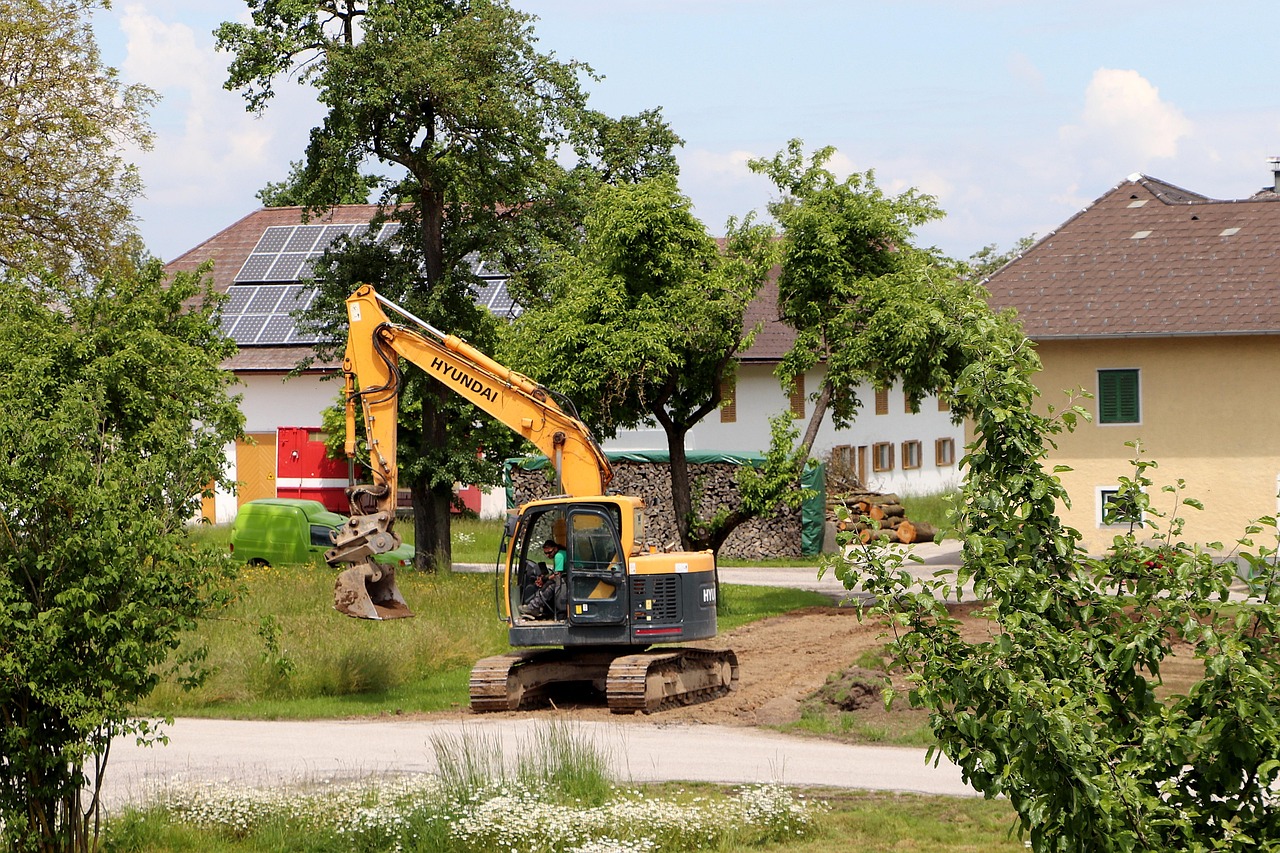
Accurately estimating the cost of an ADU (accessory dwelling unit) project begins with meticulous data collection. Homeowners looking to add an ADU must gather a comprehensive set of details about their property, design preferences, and local regulations. This information forms the foundation for a reliable adu cost estimator, ensuring that the final budget aligns with the project's scope.
Top-rated ADU project estimators often start with a detailed site visit. During this visit, estimators assess factors like the property's size and layout, existing structures, and local building codes. They may take measurements, photograph the site, and discuss the homeowner's vision with them. This hands-on evaluation allows estimators to account for unique challenges and opportunities specific to each project. An experienced ADU contractor might notice potential issues with utility connections or site accessibility that could impact the timeline and budget.
To physical assessments, estimators rely on detailed project specifications. This includes floor plans, material selections, and desired finishes. Homeowners can provide these documents or work with a designer or architect to create them. Trusted ADU construction services often have in-house designers who can collaborate with homeowners to develop accurate plans. Once collected, these specifications are fed into specialized adu cost estimator software or online platforms. These tools cross-reference the data against a vast database of construction costs, labor rates, and material prices to generate a detailed estimate.
Licensured ADU builders reviews can also guide homeowners in selecting a reputable estimator. Online platforms and local trade associations often feature client testimonials and reviews, highlighting estimators' experience and accuracy. Reviews can offer insights into an estimator's communication skills, responsiveness, and commitment to transparency, ensuring a collaborative and stress-free project experience.
Using ADU Cost Estimator Features: Material and Labor Analysis

When selecting an adu cost estimator, homeowners should pay close attention to its material and labor analysis features. These tools play a crucial role in reliable ADU project budgeting by breaking down the costs associated with different aspects of construction. A comprehensive estimator will categorize expenses into materials like lumber, roofing, and insulation, as well as labor costs for skilled tradespeople such as electricians and plumbers.
This level of detail allows homeowners to understand where their money is going and make informed decisions about their budget. If the estimator shows a significant cost discrepancy between similar projects in their area, it could be an indication of potential price gouging. Similarly, homeowners can use these insights to negotiate better rates with contractors. Many online ADU cost estimators also include features for ADU project reviews and ratings, enabling users to compare their estimated costs with real-world data from similar projects completed in their region.
Some estimators offer same-day ADU quotes, streamlining the initial planning phase. These quotes, while not always 100% precise, provide a realistic starting point for budgeting. Homeowners can then use these estimates to identify potential cost-cutting strategies, like selecting more affordable materials or negotiating rates with contractors. An adu cost estimator with robust material and labor analysis tools empowers homeowners to confidently navigate the complexities of ADU project budgeting and ensure their investment is well-managed.
Interpreting Estimates: Understanding Costs and Timeframes
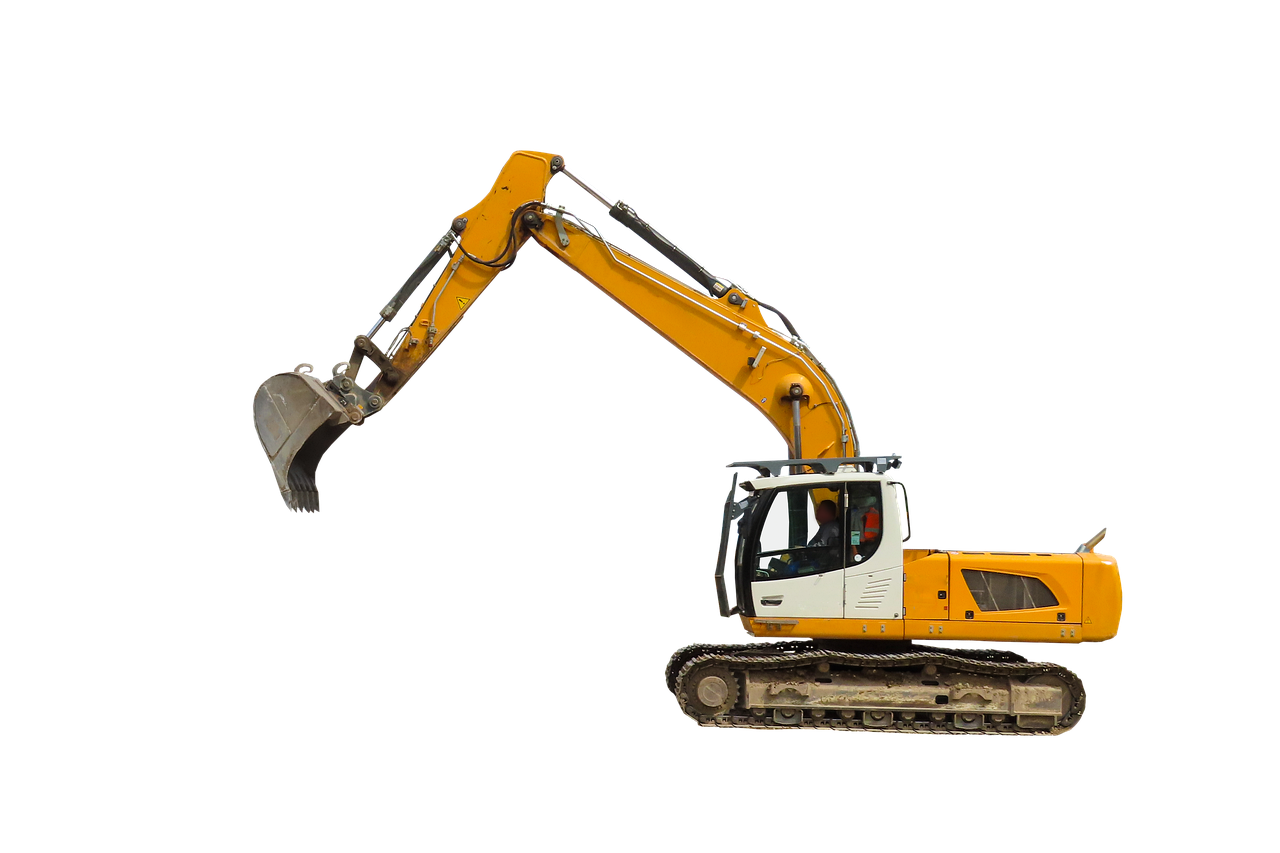
Interpreting estimates is a critical step in ensuring your ADU project stays on track and within budget. When using an adu cost estimator, whether online or through a contractor, remember that these are projections based on current market rates, material costs, and labor availability. The estimate should include a breakdown of costs by category: materials, labor, permits, and unexpected expenses. An experienced ADU builder might charge $100 per square foot, while a less experienced one could range from $80 to $120, with local market conditions and your specific project needs influencing the final price.
Avoiding ADU cost overruns requires meticulous planning and monitoring. Here's a practical approach: first, get multiple estimates from affordable ADU cost estimators and experienced ADU builders. Compare their proposals, scrutinizing labor rates, material choices, and proposed timelines. Remember, the cheapest estimate isn't always the best. Quality and efficiency are crucial, especially in a small space like an ADU. This buffer protects against material price fluctuations, permit delays, or unforeseen structural issues.
Timeframes are another critical aspect of the estimate. Most ADU projects take one to two days for construction, but this can vary greatly based on the complexity and size. A modular ADU might take less time than a custom-built one. Ensure your adu cost estimator includes an estimated timeline, and discuss potential delays with your contractor. Efficient project management, including regular communication with your builder, can help keep your project on schedule and your costs in check.
Best Practices for Refining and Using Your ADU Cost Estimate
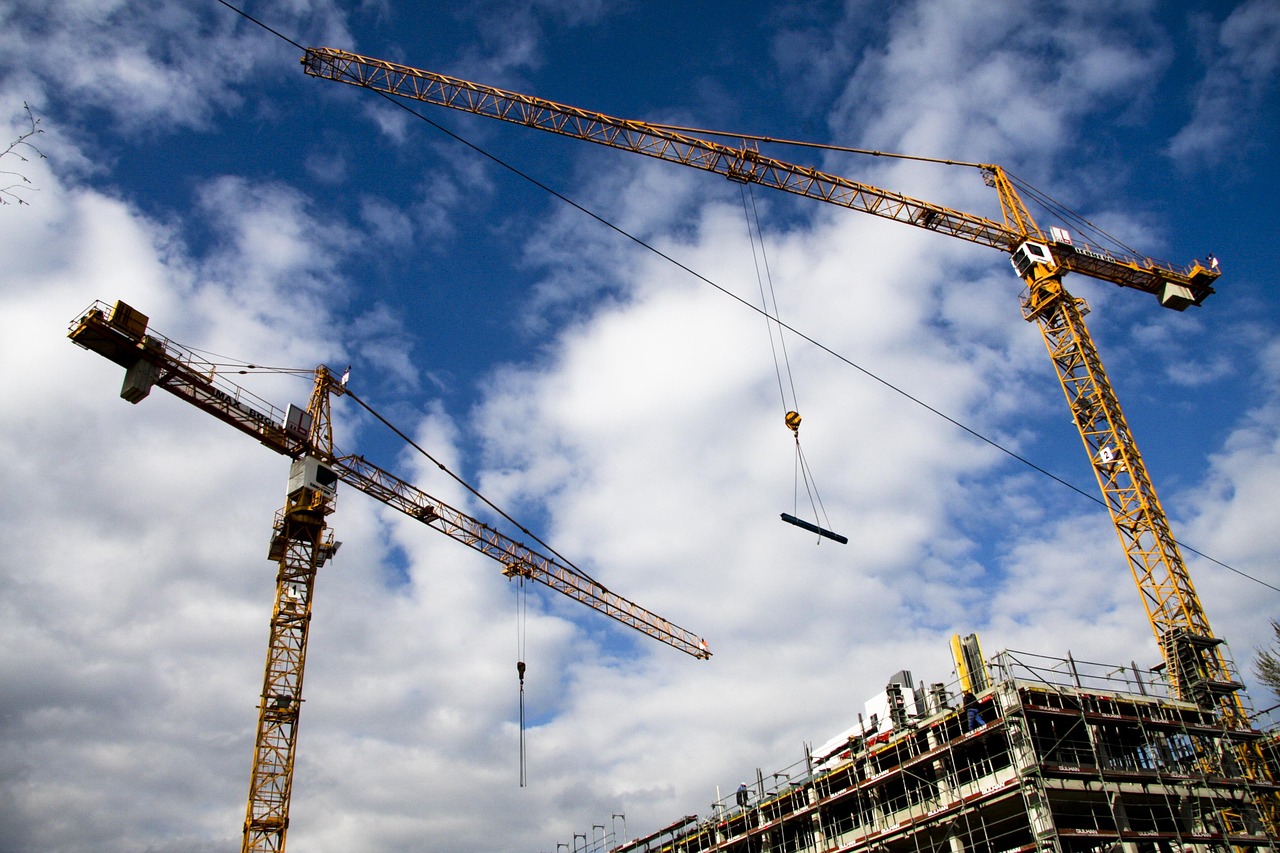
Refining and Utilizing Your ADU Cost Estimate: A Beginner's Guide to Best Practices
Once you've obtained an initial adu cost estimator from an online platform or a local contractor, the real work begins. This estimate is a crucial starting point, but it's not a fixed number. The construction industry is dynamic, with costs fluctuating based on market conditions, material availability, and labor rates. To turn your estimate into a reliable budget, factor in potential changes and consider the following best practices.
First, ADU project reviews and ratings from past clients can offer insights into the actual costs and the quality of work. Remember, the lowest estimate isn't always the best deal. A detailed review might reveal why a contractor priced their services lower and if it reflects the quality you expect. A contractor offering same-day ADU quotes might charge a premium for urgency, so weigh this against the convenience.
Next, review your estimate line by line, questioning each item. Does the estimate include permits and inspections? Are there hidden fees for materials not specified in the plan? Budgeting for ADU conversion involves more than just the construction cost. Factor in permit fees, which can vary by location and project type. Also, consider the costs of site preparation, electrical and plumbing work, and any necessary landscaping.
Finally, create a contingency fund for unexpected expenses. This is especially crucial in the dynamic world of construction, where delays and material shortages can significantly impact costs. By embracing these best practices, you'll be better equipped to navigate the process, ensuring your ADU project stays on track and within budget.
Frequently Asked Questions About ADU Cost Estimator Tools: A Practical guide for Beginners
What is an ADU Cost Estimator Tool? These tools are software applications designed to help homeowners, contractors, and builders estimate the cost of building an Accessory Dwelling Unit (ADU). They streamline the process of budgeting by factoring in various expenses, from labor and materials to permits and inspections.
Why are ADU Cost Estimators Important? They provide a realistic budget for ADU construction, helping to avoid cost overruns. This is crucial as ADU projects often involve complex projects with many variables. These tools save time and money by offering a quick and accurate way to plan financial aspects from the outset.
How do I choose the right ADU cost estimator tool? Consider your project's complexity, your experience level, and your budget. For simple projects, a basic tool might suffice. More intricate installations benefit from advanced estimators that offer detailed breakdown of costs. Some popular options include (mentioning specific tools is not within the scope of this response, but examples can be readily found in the industry).
Do I need professional help to use an ADU cost estimator? Most estimators are user-friendly and require no professional assistance. However, if you're new to construction or ADUs, consulting a contractor or builder can help ensure you understand the tool's capabilities and limitations. They can also offer insights tailored to your specific location and project.
What information do I need to input into an ADU cost estimator? Each tool has its requirements, but generally, you'll need to provide details about:
- The type and size of your ADU
- Local permit fees and building codes
- Material and labor costs
- Project timeline
- Any specialized features or finishes
Can ADU cost estimators be used for renovations too? Absolutely. Many estimators can be adapted for both new construction and renovation projects. This flexibility allows you to plan for various scenarios, ensuring you're prepared for both ADU additions and remodels.
Are there any downsides to using an ADU cost estimator? While they're powerful tools, estimators can't predict unforeseen circumstances. They provide a guide, but factors like weather delays or unforeseen structural issues might impact the final cost. It's always wise to factor in a contingency fund for such cases.
As you've navigated through this practical guide on ADU cost estimator tools, you've gained invaluable insights into the world of accessory dwelling unit construction. From understanding the basic principles of cost estimation to selecting the right software, collecting data, and interpreting estimates, you're now equipped to make informed decisions.
The key takeaway is that an adu cost estimator is not just a tool; it's a strategic partner in your project's success. By utilizing these tools effectively, you can refine budgets, anticipate potential cost drivers, and ensure timely project completion. Remember, the precision of your estimate depends on detailed data collection and a thorough understanding of your region's specific cost dynamics.
Moving forward, consider these practical steps: prioritize data accuracy, explore multiple estimators, and integrate cost-saving strategies. Whether you're a homeowner, contractor, or project manager, embracing the power of an adu cost estimator will streamline your project, enhance transparency, and potentially reduce overall construction costs.
Understanding ADU Cost Estimators: A Practical guide
ADU cost estimators are crucial tools for homeowners to budget and plan. They account for construction materials, labor, permits, and contingencies, offering data-driven estimates. Top-tier estimators integrate local supplier quotes, contractor rates, and ADU project reviews for accurate, informed decision-making.
Key Steps and Best Practices
1. Data Collection: Gather detailed property, design, and local code information for a reliable estimate.
2. Material & Labor Analysis: Examine estimates by material and labor categories to understand cost breakdowns.
3. Compare Estimates: Use online platforms and contractor quotes to compare costs, timelines, and contractor quality.
5. Line-Item Scrutiny: Carefully review the estimate, questioning each item to avoid hidden fees.