
As the demand for affordable housing surges, Accessory Dwelling Units (ADUs) offer a promising solution. However, the initial cost can be a significant barrier for homeowners. Understanding the true cost of an ADU and how to accurately predict it is crucial for informed decision-making. This article guides property owners through a step-by-step process using an adu cost estimator to budget effectively and avoid surprises. We'll explore project planning, execution, management, and even future trends, empowering you to make the most of this valuable investment.
- Understanding ADU Costs: Key Factors to Consider
- Adopting a Cost-Effective ADU Design Strategy
- Obtaining Accurate Local Permit and Inspection Costs
- Material and Labor Costs: A Detailed Breakdown
- Using an ADU Cost Estimator for Project Planning
- Budgeting for Permits, Utilities, and Additional Fees
- Maximizing Return on Your ADU Investment
Understanding ADU Costs: Key Factors to Consider
Understanding ADU Costs: Key Factors to Consider
When planning an Affordable ADU (Accessory Dwelling Unit), one of the most critical steps is comprehending the cost breakdown. The adu cost estimator, while a valuable tool, is just the starting point. Successful property owners examine deeper, considering various factors that can significantly impact their bottom line.
The first step in this process involves comparing ADU construction costs across different contractors. While an adu cost estimator app for iOS (like the popular options available) provides a quick baseline, real-world costs can vary widely based on location, unit size, and construction quality. A modest 200 sq. Ft. Unit in one area might cost $50,000, while the same size in another area could exceed $75,000 due to labor, material, and local permit differences. Experienced ADU builders typically charge 1-3 times the cost of materials alone, emphasizing the influence of labor rates and project complexity.
Next, property owners should scrutinize the project's timeline and potential delays. Construction seasons, weather conditions, and permit processing times can all impact deadlines. A well-planned budget accounts for these contingencies. Including an emergency construction team in your adu cost estimator calculations can provide a buffer against unexpected delays, ensuring your project stays on track despite unforeseen challenges.
Consider the long-term benefits of your investment. While initial ADU construction costs can vary, the economic gain from adding valuable living space to your property is substantial. Financial analysts often recommend comparing the total cost of a project against the projected increase in property value. An ADU that adds 500 sq. Ft. To your home could significantly boost its resale value, making the initial investment a sound financial decision.
Adopting a Cost-Effective ADU Design Strategy
Adopting a cost-effective ADU design strategy is a crucial step in making your project affordable, especially when budgeting for ADU conversion. A well-planned design not only minimizes material and labor costs but also enhances energy efficiency and long-term value. Consider incorporating green building practices for ADUs, which can significantly reduce operational expenses and environmental impact. Utilizing natural lighting, efficient insulation, and renewable energy sources can lower utility bills and create a more sustainable living space.
Before starting, utilize an adu cost estimator to gauge the financial scope of your project. This tool, often available online, allows you to input specific details about your ADU plan, such as size, location, and materials, to receive an initial budget estimate. Remember, construction costs can vary widely based on your region and the complexity of the build. Licensed ADU builders reviews can be invaluable in this process, offering insights into the actual costs incurred by similar projects in your area.
When designing your ADU, focus on simplicity and functionality. Opting for a straightforward layout reduces construction time and labor costs. Prefab or modular ADU components can offer substantial savings compared to traditional on-site construction. These materials are often less expensive and can be installed more quickly, minimizing disruption to your primary residence. It's also wise to consult with local property appraisers to understand how your ADU project might affect the overall value of your property.
Finally, consider the long-term benefits of energy-efficient design. Not only will it reduce your operating costs, but it can also make your property more attractive to potential buyers, ensuring a solid return on investment. By carefully considering these design and budgeting strategies, you can turn your ADU project into a cost-effective and rewarding endeavor.
Obtaining Accurate Local Permit and Inspection Costs

Obtaining accurate local permit and inspection costs is a crucial step in your affordable ADU cost calculation. This can vary widely depending on your location, the complexity of your project, and the type of ADU you're building. Start by reaching out to your local building department for a list of required permits and their associated fees. Some common permits include building permits, electrical permits, and plumbing permits, with costs ranging from a few hundred to several thousand dollars, depending on your region. Online ADU cost estimators can provide a rough estimate of these costs, but remember, these are just estimates-a same-day ADU quote from a top-rated project estimator is a more reliable starting point.
Once you have these figures, incorporate them into your overall project budget. It's important to factor in potential contingencies for unexpected fees or changes in requirements. Many property owners opt for an affordable ADU cost estimator tool that accounts for these variables, offering a more nuanced view of potential expenses. An experienced ADU project manager might advise on the likelihood of permit appeals or changes in code requirements, which can significantly impact the bottom line. Using a combination of local knowledge and a trusted adu cost estimator, you can create a more accurate budget that reflects the specifics of your project.
Inspection costs are another critical component to consider. Inspections are typically required at various stages of construction, and the fees vary based on the type of inspection. For a smaller, residential ADU, expect to pay between $500 and $1,500 for each inspection, including electrical, plumbing, and structural checks. Some areas may offer online services for scheduling and paying these inspections, streamlining the process. Consulting with a local, top-rated ADU project estimator can help you understand these costs and potentially negotiate better rates or identify ways to cut corners without compromising safety or quality.
Understanding local permit and inspection costs is essential for an affordable ADU cost calculation. By gathering accurate figures and using reliable adu cost estimator tools, property owners can make informed decisions and create a realistic budget. Engaging with top-rated ADU project estimators early in the process ensures you're not only armed with the right data but also benefiting from local expertise and insights.
Material and Labor Costs: A Detailed Breakdown
When planning an affordable ADU (accessory dwelling unit) project, understanding material and labor costs is crucial. These expenses form the backbone of your budget and significantly impact the overall price of your renovation. According to recent trends, material and labor costs for ADU projects vary widely based on location, size, complexity, and the quality of finishes. A simple, small ADU in a low-cost of living area might cost $50,000 to $75,000, while a more elaborate unit in a high-end market could top $200,000.
A detailed breakdown of these costs reveals several key components. Material expenses include structural components like framing, roofing, and insulation, as well as finishing materials such as flooring, countertops, and appliances. Labor costs cover the services of contractors, subcontractors, and professionals like engineers and architects. In many cases, nearby ADU renovation prices can serve as a useful benchmark, offering insights into the typical range for your area. When time is of the essence, emergency ADU construction costs can add a premium to your budget due to expedited service and material procurement.
To ensure cost-effectiveness, property owners should engage top-rated ADU project estimators. These experts leverage their industry knowledge and experience to deliver precise, detailed quotes. They can also help identify opportunities for cost-cutting without compromising quality. Using locally sourced materials or selecting energy-efficient finishes can significantly reduce material costs. Efficient project management, including clear communication and timely decision-making, can help control labor expenses by minimizing delays. By working closely with these estimators, property owners can create a realistic budget and achieve their ADU goals affordably.
Using an ADU Cost Estimator for Project Planning
Using an ADU cost estimator is a strategic move for property owners planning to add an accessory dwelling unit (ADU). These tools serve as a comprehensive beginner's guide to ADU costing, offering a detailed breakdown of potential expenses. They're particularly beneficial for first-time ADU builders, providing a baseline understanding of costs and facilitating informed decision-making.
The adu cost estimator typically integrates factors like location, ADU size, materials, and labor to generate a rough estimate. Same-day ADU quotes from online estimators can give you a range to work with, even if they're not as precise as a detailed consultation with a builder. Keep in mind that these quotes are just starting points; actual costs can vary significantly based on factors like local building codes, the complexity of the build, and market fluctuations.
To get the most out of an ADU cost estimator, property owners should start by gathering detailed plans and specifications. This includes architectural drawings, utility layout plans, and material specifications. Inputting this information into the estimator ensures a more accurate prediction of the financial commitment involved. Many online platforms also offer the option to compare estimates from multiple ADU project reviews and ratings contractors, allowing for a broader perspective on pricing and quality.
Remember, an adu cost estimator is a valuable tool in the early stages of planning but shouldn't be the sole determinant of your budget. Consult with local contractors and property appraisers for more precise assessments. By combining the insights from estimators with expert consultations, property owners can navigate the ADU project costing process with confidence, ensuring their project stays on budget and meets their needs.
Budgeting for Permits, Utilities, and Additional Fees
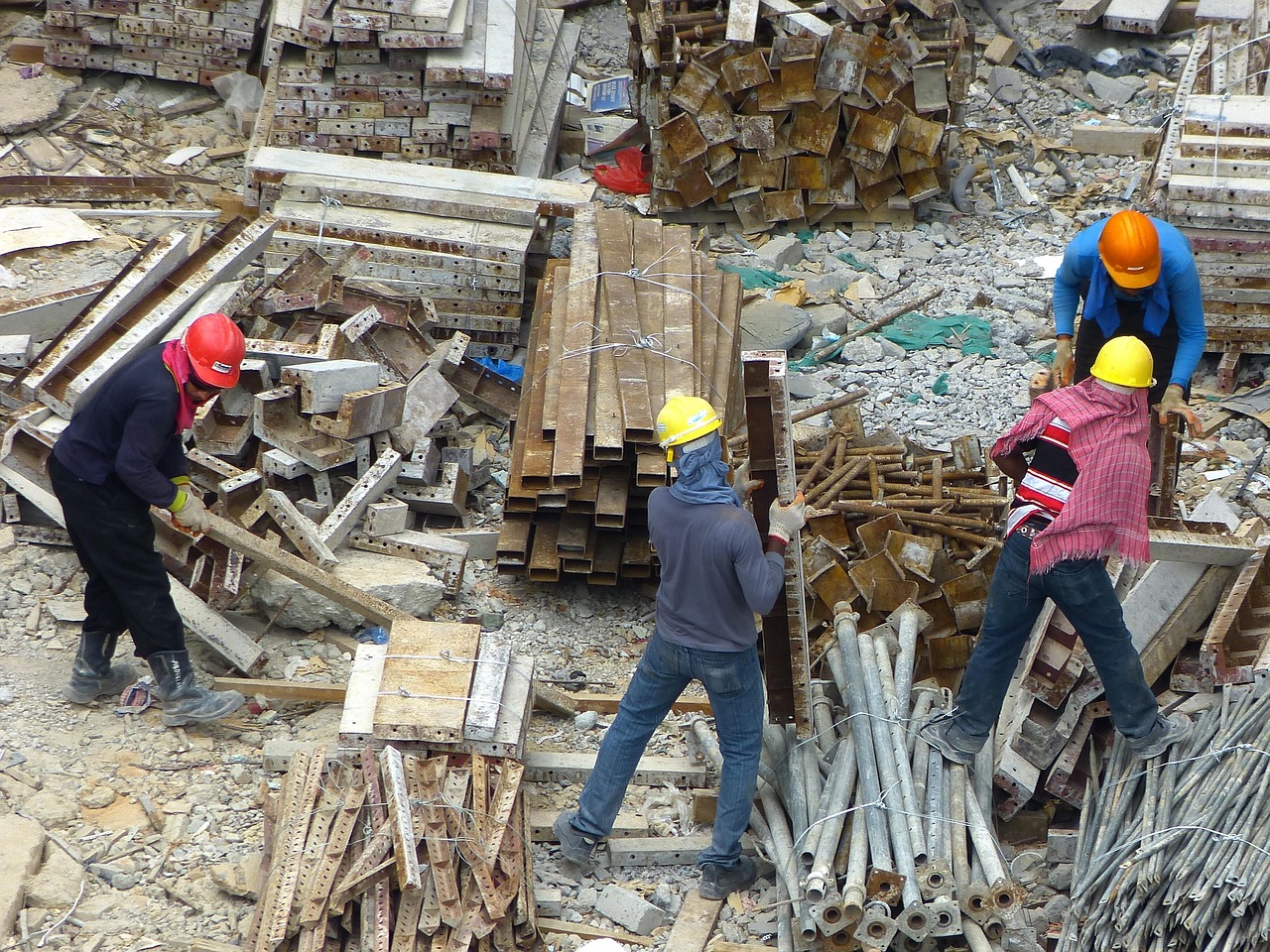
When budgeting for an ADU project, property owners often encounter unforeseen expenses, leading to costly overruns. A crucial step to avoid these pitfalls is meticulous planning for permits, utilities, and additional fees. These costs can significantly impact your bottom line, so a thorough adu cost estimator is essential.
Starting with permits is a wise first step. Local building departments charge varying fees, which can include application costs, plan review charges, building permits, and inspection services. It's vital to factor these costs into your budget early on, as delays or changes in the plan might increase these expenses.
Next, consider the utility connections. A key advantage of ADUs is their potential to lower overall utility costs, especially if you incorporate green building practices. However, connecting to services like electricity, water, and gas is not free. The actual cost depends on your location and utility provider, but plan for an average of $2,000 to $5,000 for these connections. To keep costs down, research and compare local providers, and explore renewable energy options that might be more cost-effective in the long term.
Property owners should account for a range of other fees. These can include impact fees charged by local governments to offset the development's impact on infrastructure, as well as fees for trash removal, sewer, and water services. These miscellaneous charges can add up, so it's crucial to consult with experienced ADU contractors near me who have a good understanding of local regulations and can provide accurate estimates. By involving the right professionals and utilizing a comprehensive adu cost estimator, property owners can better anticipate and manage these costs, ensuring a successful ADU project without unexpected financial surprises.
Maximizing Return on Your ADU Investment

When considering the addition of an Accessory Dwelling Unit (ADU), maximizing the return on your investment is a primary concern. Using an adu cost estimator is a crucial first step. A thorough professional ADU cost analysis will help you understand the full range of expenses involved in construction, from labor and materials to permits and inspections. This analysis should factor in your location, the size and complexity of the project, and the quality of materials and craftsmanship you intend to employ. The construction cost comparison between a basic ADU and one with enhanced features can be significant, so understanding these variables is key.
Seeking out the best ADU contractors near me is the next critical step. Engaging reputable professionals ensures your project is completed to a high standard, minimizing future repairs and maintenance costs. Reputable contractors will also be up-to-date with local building codes and regulations, streamlining the approval process. Many contractors offer transparent pricing through online platforms, allowing for a side-by-side comparison of ADU construction costs. This transparency empowers property owners to make informed decisions and identify potential cost-cutting strategies.
As you progress through the planning and execution phases, continuous cost management becomes paramount. Utilizing ADU project management tools, such as software and financial planning apps, can help track expenses against your initial budget. Regularly reviewing these tools with your contractor and project manager ensures any unexpected cost increases are promptly addressed. Having an emergency construction team readily available can mitigate the impact of unforeseen issues, preventing budget overruns. Remember, the goal is not just to minimize costs but to maximize the value of your ADU investment, ensuring it becomes a valuable asset for your property.
Frequently Asked Questions About Affordable ADU Cost Calculation: Step-by-Step Process for Property Owners
What is an Affordable ADU and why is it important?
An Affordable Accessory Dwelling Unit (ADU) is a secondary residential space built on or attached to an existing property, providing extra living space at a more affordable price point compared to traditional housing. It's important because it offers a practical solution to the housing crisis, especially in urban areas, by maximizing property use, increasing housing stock, and potentially saving homeowners significant money in the long run.
How much does an ADU typically cost to build?
The cost of constructing an ADU varies widely depending on factors like location, size, complexity of design, and local permits and labor costs. Generally, the range can be anywhere from $30,000 to $150,000, with the average being around $80,000. However, these figures are rough estimates, and it's crucial to conduct a detailed cost analysis tailored to your specific project.
What factors influence the cost of an ADU construction?
Several elements contribute to the overall cost. These include the size and complexity of the unit, local building codes and permit fees, the quality of materials used, labor rates, and any necessary utilities and structural work. Site-specific challenges, like unforeseen site conditions or accessibility issues, can impact the project's budget.
How can I estimate the cost of my ADU project?
Start by consulting local building codes and permit fees, then create a detailed list of construction requirements. Include materials, labor, permits, and any potential contingencies. Next, obtain quotes from multiple contractors to get a range of prices. Finally, consider factoring in 10-15% for unexpected expenses, ensuring a more realistic budget.
What are some cost-saving strategies for ADU construction?
To reduce costs, consider using standardized plans, selecting energy-efficient materials, and negotiating rates with contractors. DIY aspects, while not recommended for all tasks, can also lower expenses. Exploring tax incentives and grants aimed at affordable housing projects can provide financial relief for property owners.
Who should I hire to build my ADU?
Hire licensed and experienced contractors who specialize in ADU construction. Check their references, look for insurance, and ensure they're familiar with local building codes. It's also beneficial to consult with architects or designers to create a functional and aesthetically pleasing space within your budget.
What about permits and inspections? How do I navigate these?
Obtain necessary permits from your local building department, ensuring your project complies with codes. Stay in communication with the inspector throughout the process. Keep detailed records of all permits, plans, and inspections for future reference, and be prepared to address any issues or modifications promptly.
Affordable ADU cost calculation is a multi-step process that leverages key insights and tools to ensure a successful project. By understanding the critical factors influencing ADU costs, adopting cost-effective design strategies, and obtaining accurate local permit and inspection costs, homeowners can make informed decisions. Utilizing an adu cost estimator during project planning stages allows for precise budgeting, encompassing permits, utilities, and additional fees. The article has highlighted the importance of detailed material and labor cost breakdowns, as well as the significance of maximizing return on investment. Moving forward, property owners should consider these practical next steps: engage experienced local contractors, use specialized project management software, and stay updated on local building department regulations. With these strategies, homeowners can navigate the complexities of ADU construction with confidence, ensuring a valuable and sustainable addition to their property.
ADU Cost Estimator: A Practical guide to Budgeting
- Initial Step: Start with an adu cost estimator app to get a baseline budget. Local factors significantly impact costs, ranging from $50,000 to $200,000+ for similar units.
- Key Factors: Compare construction costs across contractors, considering labor rates and project complexity. Plan for delays due to weather, permits, and emergency situations.
- Long-Term View: Analyze the economic gain from an ADU investment. A well-planned, green design can lower operating costs and increase property value.
- Detailed Planning: Gather detailed plans for an accurate estimator. Consult with local contractors for precise assessments, comparing quotes from multiple sources.
- Cost Control: Engage reputable contractors familiar with local codes. Use project management tools to track expenses, and have an emergency team ready for unforeseen issues.