
The demand for affordable housing solutions has surged, making accessory dwelling units (ADUs) a popular choice for property owners seeking additional living space. However, navigating the financial complexities of ADU construction can be daunting. Many homeowners struggle to estimate the true cost of their project, often leading to budget overruns and delays. This practical guide addresses this challenge by offering a step-by-step process for calculating ADU costs using an adu cost estimator. We'll explore critical factors influencing pricing, provide practical tips for budgeting, and highlight the importance of accurate cost estimation in ensuring a successful and stress-free ADU project.
- Understanding ADU Basics: What You Need to Know
- Assessing Your Property: Key Factors in ADU Placement
- Planning Permits: Navigating Local Regulations
- Cost Breakdown: Materials, Labor, and Overhead
- Affordable Options: Budget-Friendly Design Choices
- Hiring a Contractor: Ensuring Quality and Value
- Track Your Expenses: Using an ADU Cost Estimator
Understanding ADU Basics: What You Need to Know

Understanding the fundamentals of ADUs (Accessory Dwelling Units) is crucial for property owners considering this home expansion option. An ADU offers a practical solution for those seeking extra living space, whether for rental income, family members, or personal use. However, navigating the legal requirements and managing the construction process can be complex. This is where a trusted ADU construction service comes into play, providing expertise and guidance throughout.
Before breaking ground, property owners must familiarize themselves with local building codes and permit requirements. Each jurisdiction has its own set of rules regarding ADU size, zoning, and accessibility. Some areas may restrict the number of ADUs on a property or have specific design guidelines. Engaging with experienced ADU builders who understand these legal requirements is essential. They can help ensure your project complies with local codes, avoiding costly delays or penalties.
The cost of an ADU project varies widely based on factors like size, materials, and local labor rates. Utilizing an adu cost estimator tool can provide a rough estimate, but it's just a starting point. Property owners should consult with several experienced ADU builders to get accurate, detailed quotes. These professionals can offer insights into cost-saving strategies and the latest construction techniques, ensuring your project stays within budget. Opting for energy-efficient materials or employing modular construction methods can significantly reduce expenses.
Assessing Your Property: Key Factors in ADU Placement
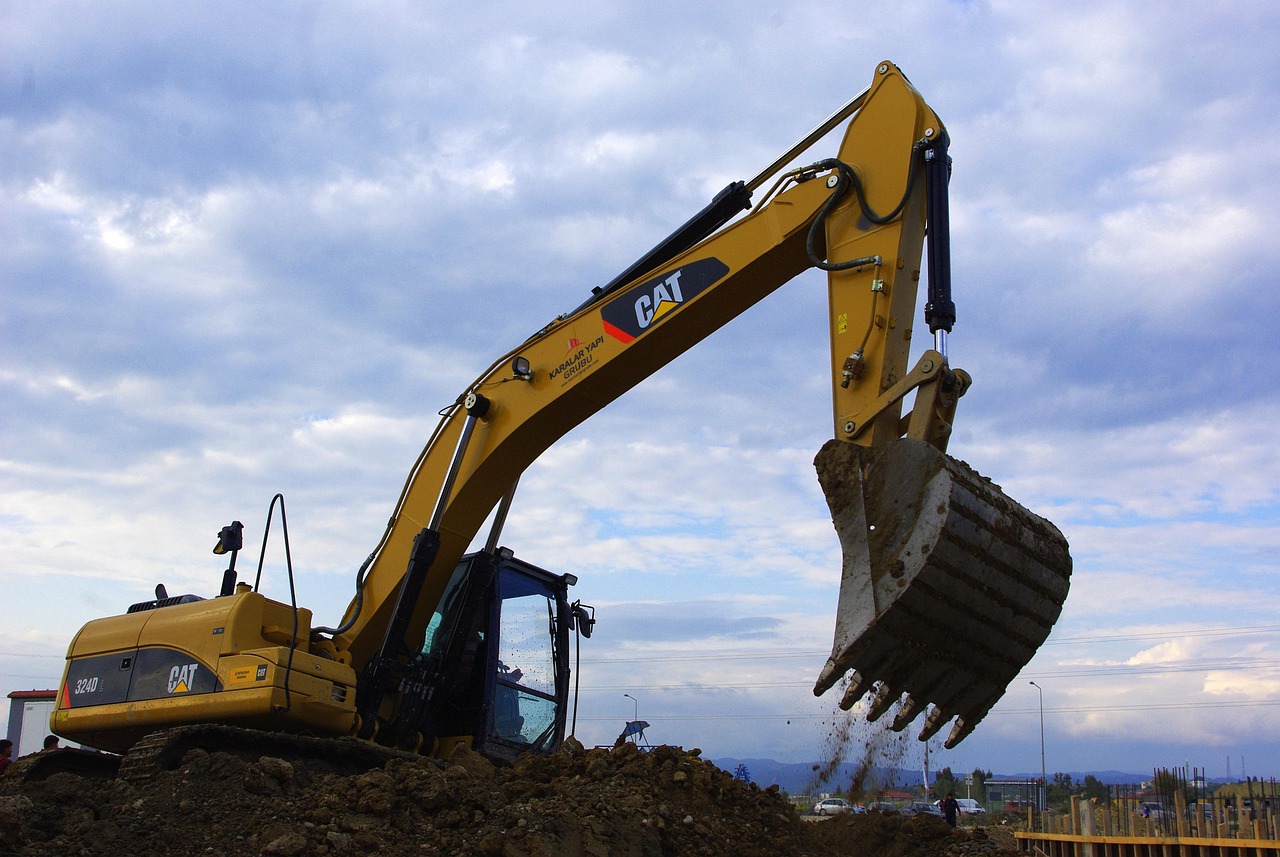
Assessing your property for an ADU (Accessory Dwelling Unit) installation is a crucial step in the planning process. Several key factors influence the placement and cost of an ADU, which is where an adu cost estimator comes into play. These factors include the property's zoning regulations, size, and layout, as well as local building codes and permit requirements. Properties with limited space or specific zoning restrictions may require adjustments to accommodate an ADU, impacting both the construction cost and design considerations.
A professional ADU cost analysis is essential to ensure you're making informed decisions. Unlike a generic adu cost estimator, which provides broad averages, a thorough analysis considers your unique circumstances. This includes an assessment of the property's current value and potential increase in value post-ADU installation, as well as a comparison of construction costs across different scenarios and contractors. By performing this analysis, property owners can make a more informed decision about whether an ADU is a financially viable option and identify potential cost-saving measures.
A property owner in an urban area with high land values might find that the ADU construction cost is offset by the increased property value. Conversely, in suburban areas with more relaxed zoning, the primary focus may shift to minimizing construction expenses. In both cases, a detailed ADU value vs. Construction cost analysis helps property owners set realistic expectations and plan accordingly. This involves understanding the local market dynamics, potential rental income (if the ADU is intended for rental), and the overall investment required to build and maintain the unit.
Planning Permits: Navigating Local Regulations
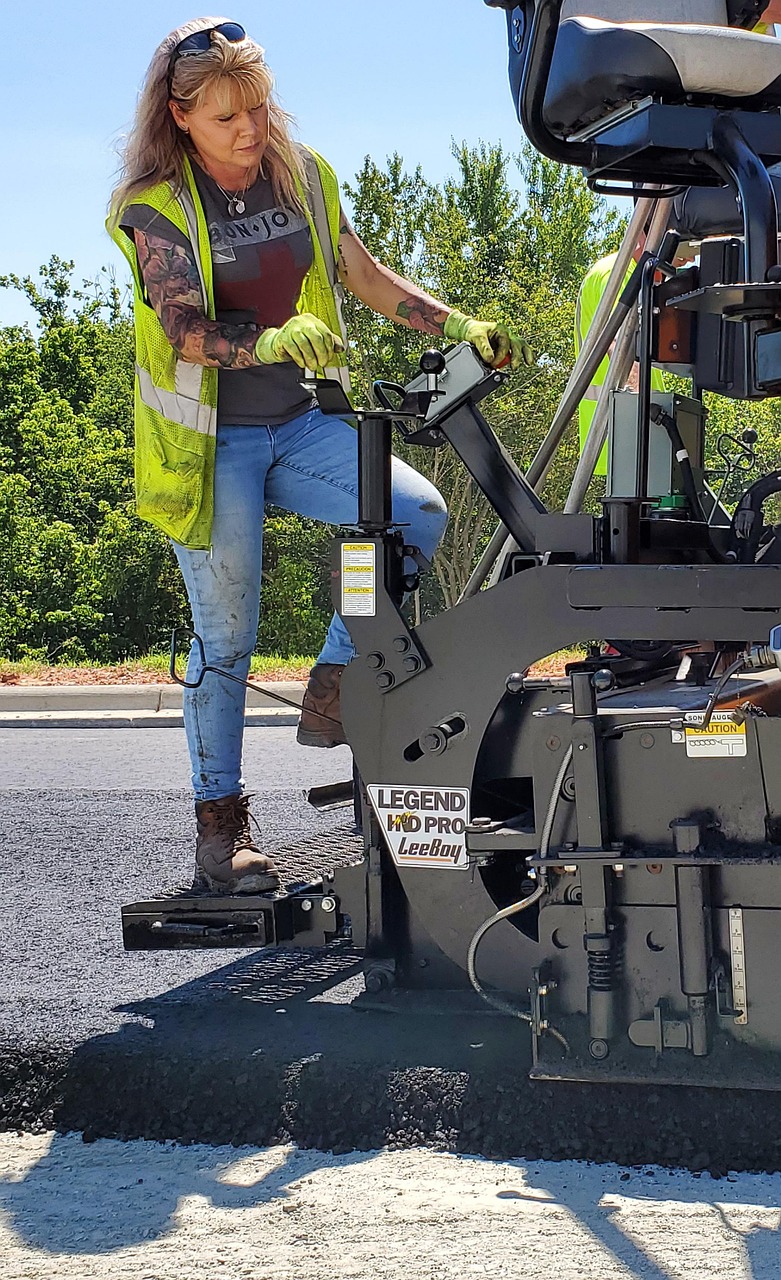
Navigating local regulations for an ADU (accessory dwelling unit) project is a critical step in the planning process. Property owners must understand the permitting requirements and potential costs associated with obtaining these permits, as they vary significantly across different areas. A same-day ADU quote from a top-rated project estimator can offer valuable insights into these early stages.
The first step is to contact your local building department. Each municipality has its own set of rules and regulations regarding ADU construction, including size restrictions, set-backs, and zoning laws. Some areas may require a specific application form, while others might have online portals for submitting applications. The adu cost estimator can be a helpful tool during this phase, as it can provide an overview of typical permit fees, which often range from $500 to $2,000, depending on the location and project complexity. A quick online search for "affordable ADU cost estimator" can direct you to local resources offering tailored information.
Once the application is submitted, property owners may need to attend a meeting with a building inspector to review their plans. This inspection can help identify potential issues and ensure the project complies with safety codes. Some regions offer expedited permitting for simple ADU additions, while more complex projects may take several weeks to be approved. Engaging with a reputable ADU project estimator early on can help set expectations and guide property owners through this process, potentially saving time and money in the long run.
Cost Breakdown: Materials, Labor, and Overhead
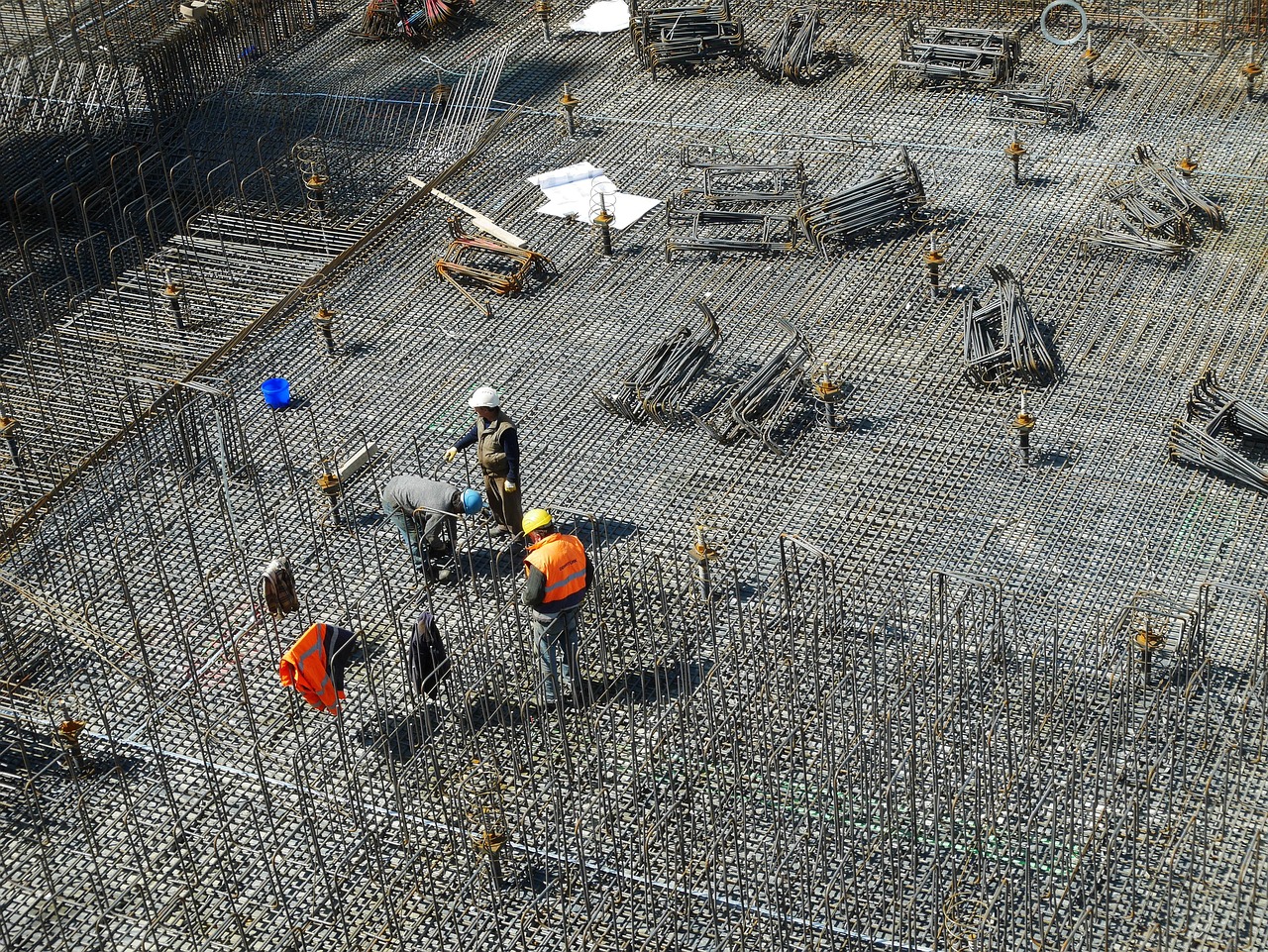
When planning an affordable ADU (Accessory Dwelling Unit) construction, breaking down the costs into materials, labor, and overhead is crucial. This step is essential for any property owner considering this project, as it provides a clear picture of where your money is going. Using an adu cost estimator, you can get a preliminary understanding of these components, but remember, local ADU building costs can vary significantly.
Materials represent the physical components of your ADU, from framing and roofing to insulation and flooring. The cost here largely depends on the size of your unit and the quality of materials chosen. Opting for energy-efficient insulation or sustainable flooring can increase materials expenses but may also offer long-term savings and a more attractive property value. Compare prices from local suppliers to ensure you're getting the best deals without compromising quality.
Labor is another significant cost driver, encompassing the work of contractors, subcontractors, and tradespeople. Local ADU building costs for labor can vary widely based on your location and the complexity of the project. A small, simple ADU might only require a few days' work, while larger or more intricate units could take weeks. Engaging trusted ADU construction services can simplify this process, ensuring you have access to skilled professionals who understand local building codes and regulations.
Overhead includes permit fees, insurance, and the general administrative costs of the project. Permits, in particular, can vary widely by region and even by city. Using an adu cost estimator that factors in these variables can give you a more accurate picture of your project's true cost. Overhead costs can be minimized by ensuring your project is well-planned and organized, reducing the need for extra administrative work.
A successful ADU project involves a meticulous cost breakdown that accounts for materials, labor, and overhead. This approach allows property owners to make informed decisions, ensuring their investment is both affordable and worthwhile.
Affordable Options: Budget-Friendly Design Choices
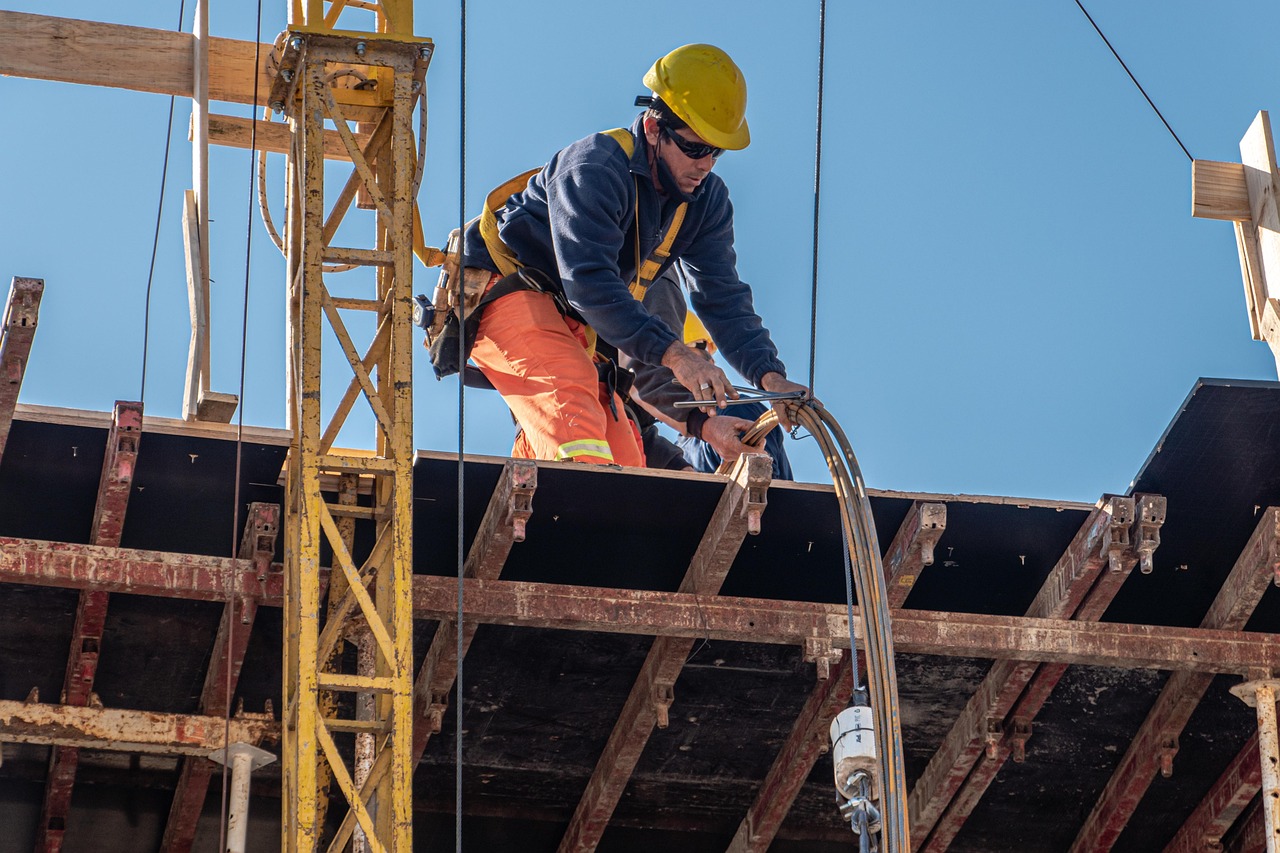
When aiming for an affordable ADU (Accessory Dwelling Unit) construction, design choices play a pivotal role in managing costs. Property owners often seek cost-effective alternatives without compromising quality. One practical approach is to focus on structural efficiency and material selection. Opting for lighter framing materials like wood over steel can significantly reduce labor and material expenses, as seen in recent ADU project reviews and ratings.
ADU cost estimators, such as online platforms and apps for iOS, prove invaluable tools for budgeting. These tools allow homeowners to input specific design details and receive tailored cost breakdowns. By utilizing an adu cost estimator, you can make informed decisions about the number of windows, the type of insulation, and even the choice of flooring, all while keeping a close eye on the bottom line. A simple change from ceramic tile to laminate flooring can cut down on material costs, making your project more budget-friendly.
Considering modular construction methods can offer substantial savings. Pre-fabricated components can be assembled on-site, reducing labor costs and minimizing weather-related delays. This approach has proven successful in various ADU project reviews, showcasing both cost-effectiveness and efficient construction timelines. However, it's crucial to conduct a thorough ADU value vs. Construction cost analysis to ensure the project remains financially viable. The adu cost estimator apps can facilitate this analysis by comparing material, labor, and installation costs side by side.
To stay affordable, homeowners should also explore local suppliers and materials. In-region sourcing can reduce transportation costs and support local businesses. Engaging with experienced local ADU contractors who are familiar with the area's building codes and regulations can provide valuable insights into cost-saving measures. By combining these strategies, property owners can create a functional, aesthetically pleasing, and budget-conscious ADU that adds significant value to their property.
Hiring a Contractor: Ensuring Quality and Value

When considering the construction of an Affordable Accessory Dwelling Unit (ADU), hiring a contractor is a crucial step to ensure quality and value. While online ADU cost estimators can provide a preliminary budget, a professional contractor offers invaluable expertise in navigating the complexities of ADU construction. Property owners should seek out top-rated ADU project estimators who are not only knowledgeable about local legal requirements for ADU contractors but also adept at translating your vision into a realistic budget.
Legal compliance is paramount, as ADU regulations vary widely by region. Trusted ADU construction services will be well-versed in these requirements, helping you avoid costly mistakes and delays. They can guide you through permitting processes, ensure structural integrity, and adhere to safety standards. Engaging a contractor who understands these nuances allows for smoother operations and a higher likelihood of completing your ADU project on time and within budget.
Beyond legal adherence, a competent contractor should offer transparent pricing structures. They should be able to break down costs based on materials, labor, and any necessary permits, providing a clear picture of where your money is allocated. This level of detail is crucial when comparing different ADU construction services. By carefully evaluating their proposals, property owners can select a contractor who aligns with their budget and quality expectations, ultimately contributing to a successful ADU project.
Track Your Expenses: Using an ADU Cost Estimator
Tracking your expenses is a crucial part of any ADU project, as it allows you to ensure you stay within your budget and make informed financial decisions. This is where an adu cost estimator comes into play. These tools are designed to provide a detailed breakdown of potential costs, helping you to plan and manage your project effectively.
One of the key advantages of using an adu cost estimator is that it can help you identify hidden expenses that may otherwise be overlooked. By inputting the specifics of your project, such as the size, location, and desired features, the estimator can generate a comprehensive list of costs associated with construction, permits, labor, and materials. A licensed ADU builder in your area might charge different rates for materials based on quality and availability, while a professional ADU cost analysis will account for these variations. Reviews from other homeowners can be invaluable in selecting the best ADU contractors near you, as they offer insights into the quality of work and adherence to budget.
Once you have a clear estimate, you can compare it to the budget you've set. If costs exceed your expectations, you can take proactive measures. This might include refining your design to include more economical features, shopping around for the best deals on materials, or even reassessing the scope of your project. Remember, an adu cost estimator is a powerful tool for keeping your project affordable and on track. By using one, you're not just budgeting; you're investing in your future living space, ensuring it meets both your financial and lifestyle needs.
Frequently Asked Questions About Affordable ADU Cost Calculation: Step-by-Step Process for Property Owners
What is an ADU, and why consider building one? An Accessory Dwelling Unit (ADU) is a secondary residential structure on a property, often a separate apartment or unit. It offers property owners multiple benefits, including increased rental income, additional living space for family or friends, and potential cost savings by allowing homeowners to age in place while still maintaining independence. With rising housing costs, ADUs provide a cost-effective solution for both current and prospective homeowners.
How much does an ADU cost to build? The cost of constructing an ADU varies widely depending on factors like location, size, design complexity, and local building codes. Generally, the price range for a basic ADU starts around $50,000 and can exceed $150,000 for more elaborate units. A professional contractor will provide a detailed estimate after assessing your property and understanding your needs, ensuring an affordable and tailored solution.
What factors influence the affordability of an ADU? Affordability is a key consideration, and several factors impact the cost:
- Size and Design: Larger or more intricate designs will be more expensive.
- Building Codes: Local regulations and building standards can add to the cost.
- Permits and Inspections: Obtaining the necessary permits and passing inspections require fees.
- Material Choices: The quality and type of materials used significantly affect pricing.
- Labor Costs: Skilled labor rates vary across regions.
Can I afford to build an ADU, and how do I start the process? Determining affordability requires a realistic budget assessment. Start by consulting with a financial advisor to understand your financial situation. Next, consult with local contractors who specialize in ADU construction. They can provide estimates and guide you through the process, ensuring your project stays within budget. This includes obtaining necessary permits and managing inspections.
What are the legal considerations and regulations for building an ADU? ADU construction must comply with local zoning laws, building codes, and property restrictions. Check with your local government or a real estate professional to ensure your property allows for an ADU. Permits are usually required, and inspections are essential to verify the structure meets safety standards. Understanding and adhering to these regulations are crucial for a successful and legal ADU project.
How long does it take to build an ADU, and what's the timeline? Most ADU construction projects take approximately 2 to 4 months, depending on complexity. The timeline includes design, permitting, material procurement, and actual building. Efficient project management and clear communication with your contractor can help streamline the process, ensuring your ADU is completed within the desired time frame.
The process of calculating affordable ADU costs involves a series of strategic steps that empower homeowners to make informed decisions. By understanding the basics of ADU construction, assessing property specifics, and navigating local regulations, you can lay a solid foundation for your project. A meticulous cost breakdown, coupled with budget-friendly design choices, ensures financial control.
Hiring a qualified contractor and utilizing an adu cost estimator are pivotal for achieving both quality and value. These tools allow you to track expenses accurately, making it easier to stay within budget. The article has highlighted the importance of meticulous planning, from permit acquisition to contractor selection, in ensuring a successful ADU project.
Next steps include examining deeper into specific local regulations, comparing quotes from contractors, and exploring innovative design solutions. Remember, an informed and strategic approach can transform your ADU dreams into reality while maintaining affordability.
An adu cost estimator is a vital tool for property owners considering ADU construction. It provides a starting point for budgeting but should be refined by consulting professionals who understand local codes, design options, and market dynamics. By breaking down costs into materials, labor, and overhead, property owners can make informed decisions, ensuring their ADU project is affordable, compliant, and tailored to their needs. This process involves comparing quotes, analyzing value vs. Construction cost, and exploring cost-saving strategies like modular construction and local supplier sourcing.