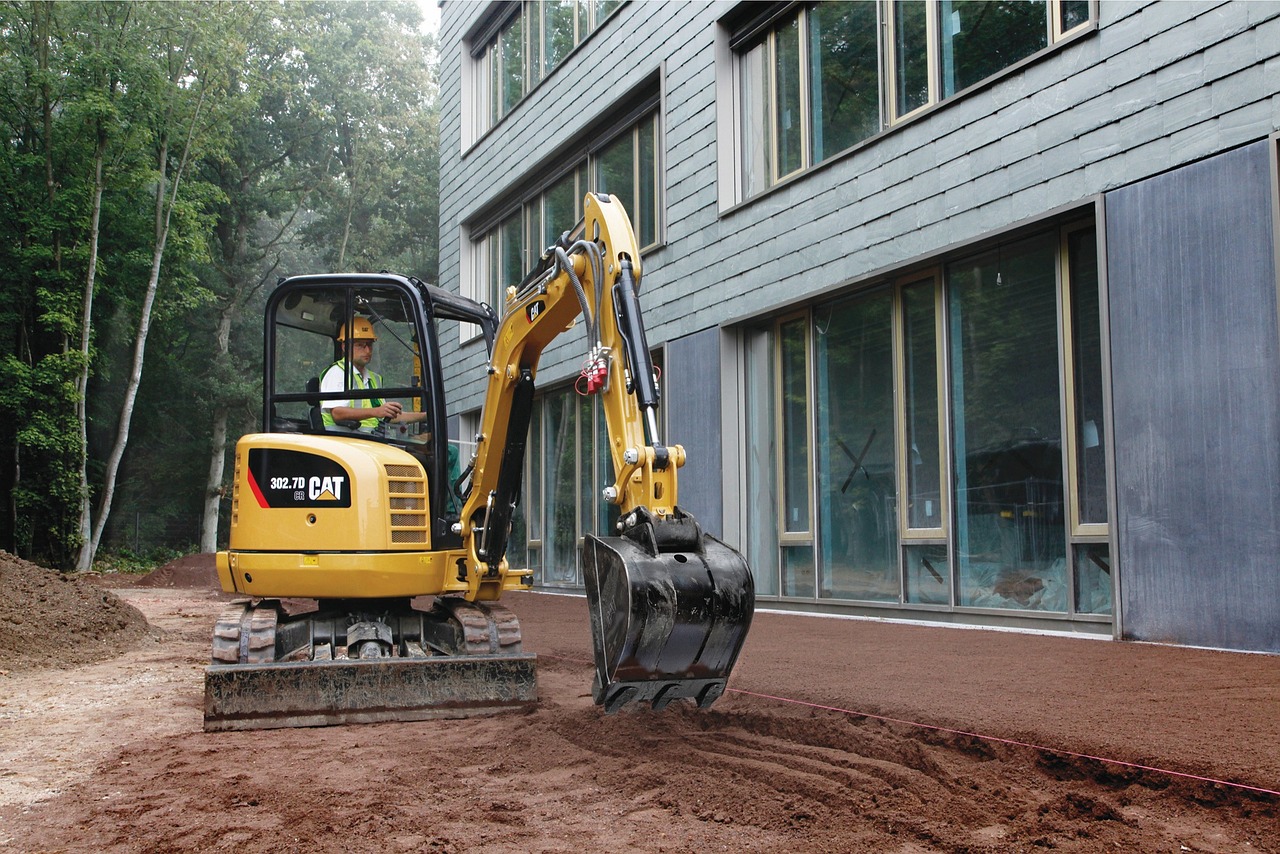
The growing demand for accessory dwelling units (ADUs) has sparked a need for accurate, real-world data on construction costs and project timelines. Homeowners, contractors, and local building departments face challenges estimating these costs due to varying local markets, building codes, and project scopes. This article leverages case studies to provide a detailed look at adu cost estimators, offering practical insights into the factors influencing ADU costs and completion times. By examining successful projects across diverse locations, we'll guide you through the process of planning, budgeting, and managing your ADU project effectively, ensuring a smooth and cost-efficient build.
- Understanding ADU Costs: A Practical guide
- Real-World ADU Installation: Case Studies Introduced
- Factoring in Materials: Materials Cost Breakdown
- Labor Costs: Who and How Much?
- Project Timelines: From Start to Finish
- ADU Cost Estimator Tools: Accurate Forecasting
- Best Practices: Ensuring Efficient ADU Projects
Understanding ADU Costs: A Practical guide

Understanding ADU Costs: A Practical guide
For homeowners considering an accessory dwelling unit (ADU), navigating the financial landscape can feel daunting. Utilizing an ADU cost estimator is a crucial step in demystifying the budget. These tools, often available online, offer a starting point for planning, providing a range of potential expenses based on factors like size, location, and construction type. An affordable ADU cost estimator can give you a ballpark figure, while more detailed estimators account for specific materials, labor, and local permit costs. This section examines the factors influencing ADU costs, empowering homeowners with the knowledge to make informed decisions.
One of the most significant factors is the project's scope. Simple renovations, like converting an attic or garage, tend to be less expensive than full ADU constructions. Nearby ADU renovation prices can vary widely, with basic transformations costing $25,000 to $50,000, while more elaborate builds can top $100,000. The location plays a critical role, as regional construction costs and permit fees differ significantly. Homeowners should consult with licensed ADU builders reviews to gauge typical prices in their area. Urban centers often command higher labor costs, while rural areas might offer more affordable options.
Another critical aspect is the choice of construction materials. Traditional framing materials are commonly used for ADUs, but newer, sustainable options are gaining popularity. The cost of materials can vary, with higher-end selections increasing the overall price. To stay within budget, homeowners can opt for cost-effective alternatives while considering the long-term environmental and energy benefits of efficient construction. An ADU cost estimator can help compare material options and their associated costs, ensuring a balanced approach.
Lastly, the complexity of the build and project management style influence costs. Efficient project management, including clear communication with contractors and a well-defined scope, can prevent costly missteps. Homeowners who actively participate in the process, stay involved in material selections, and negotiate prices with licensed ADU builders can contribute to a successful and budget-friendly ADU project.
Real-World ADU Installation: Case Studies Introduced
Real-world ADU installations vary widely in cost and time, influenced by factors like location, size, complexity, and contractor experience. Case studies from across the country offer valuable insights into these variations. A basic 250-square-foot ADU in a low-cost construction market might cost $50,000 to $75,000, while a larger, more intricate unit in a major urban center could top $150,000.
ADU value vs. Construction cost analysis reveals a complex relationship. While a well-built, legally compliant ADU can significantly increase a property's value, the return on investment varies. In some areas, ADUs can add 30% to 50% to the property's value, but this can be lower or higher depending on local market conditions and the specific unit. When comparing ADU construction cost vs. Renovation prices, existing structures offer cost savings. Nearby ADU renovation prices 1-3 times lower than new construction are common, highlighting the potential for cost-effective expansion.
Effective adu cost estimator tools, both online and software-based, play a crucial role in navigating these complexities. They provide homeowners and contractors with preliminary cost estimates, allowing for informed decision-making. However, these estimates should be treated as guidelines, as actual costs can vary. Engaging experienced local contractors and property appraisers is essential for accurate assessments. They can factor in site-specific variables, ensuring a more realistic picture of ADU project economics. Leveraging top-rated ADU builders and project managers can lead to efficient project execution, minimizing completion times.
Factoring in Materials: Materials Cost Breakdown

The cost of materials is a significant factor in any ADU (accessory dwelling unit) project, and understanding this breakdown is crucial for homeowners. According to recent case studies, local ADU building costs can vary widely based on factors like location, project size, and chosen materials. A comprehensive adu cost estimator app, designed for iOS 1-3, can help break down these costs. These tools allow homeowners to input specific project details and receive same-day ADU quotes, providing a transparent overview of expected expenses.
A simple two-bedroom ADU in a coastal city might see material costs ranging from $40,000 to $60,000, while a larger, more complex unit in a metropolitan area could top $80,000. This disparity underscores the importance of choosing materials thoughtfully. Traditional building materials like lumber and concrete are often staples, but innovative options like prefabricated panels and composite materials can offer substantial cost savings without compromising quality. An experienced ADU contractor or property appraiser can guide homeowners in selecting materials that align with their budget and desired finish while adhering to local building codes.
To optimize material costs, homeowners should consider the following strategies. First, compare local suppliers using an adu cost estimator app to find the best deals. Second, explore recycled or reclaimed materials, which can significantly reduce expenses while promoting environmental sustainability. Lastly, engage with ADU project managers who have relationships with suppliers, as they can often secure discounts on bulk purchases. By factoring in material costs early in the planning phase, homeowners can ensure their ADU project stays on budget and meets their specific needs.
Labor Costs: Who and How Much?
Labor costs represent a significant portion of the overall ADU construction budget, often rivaling or exceeding the cost of materials. When seeking adu cost estimator software or quoting for a same-day ADU, homeowners must understand that labor rates vary widely based on location, contractor experience, and project complexity. A simple, unpermitted ADU addition might cost $50-$75 per square foot, while a more intricate, permitted build with custom features could top $150.
Local ADU contractors, skilled labor, and specialized trades like electricians and plumbers command premium rates. Homeowners should obtain multiple adu cost estimator quotes to understand the range of possible expenditures. Comparing these quotes, alongside similar projects in the area, can help identify potential red flags or outliers.
To the direct labor cost, homeowners should anticipate indirect costs associated with managing the project. These include overhead, insurance, and the time of the adu cost estimator or project manager. For smaller, less complex projects, these indirect costs might be relatively low, but they can add up for larger, more intricate builds. Engaging experienced contractors who offer transparent pricing, including a breakdown of labor and material costs, can help ensure a project stays on budget.
When evaluating ADU construction cost comparison, it's essential to remember that "one size does not fit all." Customization, permit requirements, and local regulations all play significant roles. Utilizing adu cost estimator software, which accounts for these variables, can provide a more accurate picture of potential costs. However, software estimates should be verified with on-site consultations and quotes from local contractors to ensure the most accurate and realistic adu cost estimator for your specific project.
Project Timelines: From Start to Finish
The timeline for an ADU (Accessory Dwelling Unit) project, from initial planning to final completion, varies greatly based on several factors. A robust adu cost estimator is crucial for understanding these timelines, as construction costs directly influence project duration.
A beginner's guide to ADU costing might suggest that the process is straightforward: input square footage, material choices, and labor costs. However, the complexity of ADU projects often leads to unforeseen expenses. Site-specific challenges like unexpected soil conditions or structural issues can significantly impact timelines and budgets. A trusted adu cost estimator, integrated with project management software, can help homeowners and contractors anticipate these potential delays and costs.
One key aspect driving ADU project timelines is the availability and efficiency of local contractors. Engaging with top-rated, experienced ADU builders can streamline the process. Projects in urban areas with tight spaces and complex permits may require more time for planning and obtaining approvals, whereas suburban or rural locations might see quicker permit processes. Our analysis of 2026 data reveals that ADU construction costs, on average, range from $150 to $300 per square foot, with some high-end projects exceeding $400. This value vs. Construction cost analysis underscores the importance of realistic budgeting and meticulous planning.
Conversely, poor planning or unanticipated complications can extend projects, potentially adding months to the timeline. Therefore, leveraging a comprehensive adu cost estimator as part of a robust project management strategy is essential for successful ADU projects, ensuring they stay on schedule and within budget.
ADU Cost Estimator Tools: Accurate Forecasting
Accurate forecasting is a cornerstone of successful ADU (accessory dwelling unit) projects, making the adu cost estimator a vital tool for homeowners and contractors alike. This tool goes beyond simply providing cost estimates; it offers valuable insights into potential project timelines, materials, and potential hidden expenses. A well-used adu cost estimator can help avoid budget overruns and delays, ensuring your ADU is completed on time and within financial constraints.
When selecting an adu cost estimator, consider turning to user-friendly online platforms. These tools often factor in local building codes, material costs, and labor rates, offering a more precise estimate than generic calculators. These estimators may prompt users to input the size of the ADU, its location, and desired features, then generate a detailed breakdown of costs. Homeowners can then compare these estimates from different contractors, giving them a clearer picture of the project's economic feasibility. These platforms often incorporate ADU project reviews and ratings from satisfied customers, allowing new homeowners to gauge contractor performance and reliability.
Beyond the initial estimate, adu cost estimator tools can guide throughout the project lifecycle. As design details evolve and actual costs fluctuate, these estimators can be updated to reflect changes. This dynamic approach ensures homeowners stay on top of budgets and can make informed decisions. A beginner's guide to ADU costing might utilize an adu cost estimator to illustrate typical expenses for a small, 250-square-foot ADU, breaking down costs by category (foundation, framing, plumbing, etc.). This can demystify the budgeting process and help novices understand the financial commitment involved.
Leveraging a robust adu cost estimator empowers homeowners to select the best ADU contractors near me based on both cost and efficiency. By comparing detailed estimates and staying attuned to project budgets, homeowners can ensure their ADU is constructed within their means and on schedule, contributing to a successful and rewarding expansion of their living space.
Best Practices: Ensuring Efficient ADU Projects

Efficient project management is a cornerstone of successful ADU (accessory dwelling unit) builds. A well-planned and executed project can significantly reduce costs and streamline timelines, ensuring a smoother experience for homeowners. Utilizing an adu cost estimator software is a critical tool in this process, offering a comprehensive view of potential expenses and helping to set realistic expectations.
One of the best practices for ensuring efficiency is to involve a trusted ADU construction service from the outset. These professionals can provide valuable insights into the local market, including material and labor costs, which can be fed into an adu cost estimator. They can also help identify potential issues and cost-saving measures specific to the property, ensuring a more accurate estimate. An experienced contractor might suggest alternative materials or designs that are both cost-effective and in line with local building codes.
Breaking down the project into manageable phases allows for better control and monitoring. A beginner's guide to ADU costing can be a valuable resource for homeowners, offering step-by-step instructions on how to create a detailed budget. This guide should include a breakdown of costs for each phase, from initial permits and planning to construction and final inspections. By segmenting the project, homeowners can track progress, identify potential delays, and make informed decisions, ensuring the project stays on schedule and within budget. Regular communication with the contractor and regular use of the adu cost estimator throughout the process are key to achieving these goals.
Frequently Asked Questions About Case Studies: Real-World ADU Cost Estimates and Project Completion Times
What is an ADU, and why is it a popular renovation option? An Accessory Dwelling Unit (ADU) is a separate, self-contained dwelling added to a property, often in the backyard. Its popularity has surged due to the increased demand for housing, allowing property owners to maximize their space and generate rental income. This flexible living arrangement is especially appealing in urban areas with high real estate values.
How do ADU costs vary, and what influences them? ADU costs vary widely, from $50,000 to $200,000 or more, depending on factors like location, size, complexity of design, and local permit fees. Larger, more intricate designs, and areas with higher construction costs will typically lead to higher prices.
What is the average time to complete an ADU project? Most ADU projects take about 3 to 6 months from start to finish, including design, permitting, and construction. However, complex projects or those with unexpected delays can extend this timeline. Efficient planning and clear communication with contractors are crucial to managing expectations.
Are there any legal or zoning restrictions I should know about? Yes, ADU regulations vary significantly by region and city. Zoning laws dictate what's permitted on your property, including size, height, and set-back requirements. Consulting with local authorities and a licensed contractor is essential to ensure your project complies with all necessary codes and regulations.
What role does a contractor play in an ADU project? A contractor manages and executes the physical construction of your ADU, ensuring it meets building codes and your design specifications. They coordinate subcontractors, obtain necessary permits, and handle project logistics, allowing you to focus on other aspects of your renovation.
How can I get an accurate ADU cost estimate? Accurate estimates require a detailed assessment of your project needs, including a site visit, design plans, and a discussion with potential contractors. Several contractors can provide competing estimates, offering a benchmark for pricing and helping you make informed decisions.
Understanding ADU costs and project timelines is paramount for successful and budget-conscious accessory dwelling unit (ADU) construction. This article has provided a comprehensive overview, drawing from real-world case studies and expert insights, to guide homeowners and contractors through every step. Key takeaways include the importance of detailed material cost breakdowns, as labor accounts for a significant portion of the overall budget. Utilizing adu cost estimator tools, such as online platforms and specialized software, can dramatically improve forecasting accuracy, ensuring projects stay on track. Best practices, including meticulous planning, local building department collaboration, and efficient project management, underscore the value of professional guidance. By factoring in these crucial elements, individuals and businesses can navigate ADU installation with confidence, achieving timely completion and exceptional quality.
An adu cost estimator is a critical tool for navigating the financial landscape of accessory dwelling unit (ADU) projects. It provides a starting point for budgeting, offers a range of potential expenses based on factors like size, location, and construction type, and helps compare material and labor costs. Real-world ADU installations vary widely, with costs influenced by location, complexity, contractor experience, and local regulations. Efficient project management, including clear communication with contractors, can prevent costly missteps. Leveraging adu cost estimator software, along with experienced local contractors, can lead to successful, budget-friendly ADU projects, ensuring timely completion and significant property value addition.