
The rise in tiny homes and multi-generational living has fueled a boom in accessory dwelling unit (ADU) construction. However, navigating the complex process of permits and inspections can be a significant hurdle for homeowners and adu cost estimators. Understanding local regulations and ensuring compliance is crucial to avoid costly delays and fines. This article examines the intricate relationship between permits, inspections, and ADU cost estimation, providing insights that empower homeowners and contractors to make informed decisions throughout the project lifecycle. By demystifying this process, we aim to guide readers towards successful ADU projects and more accurate cost projections.
- Inspection Types: Influencing Construction Budget and Timeline
- Local Regulations: Navigating Variations in ADU Permit Requirements
- Permitting Process: Step-by-Step Guide for Accurate Costing
- Inspection Timing: When and How to Plan for Quality Assurance
- Cost Implications: Analyzing Permit and Inspection Costs in ADU Projects
- Best Practices: Ensuring Permits and Inspections Support Successful ADU Construction
Understanding Permits: The Foundation for ADU Cost Estimation
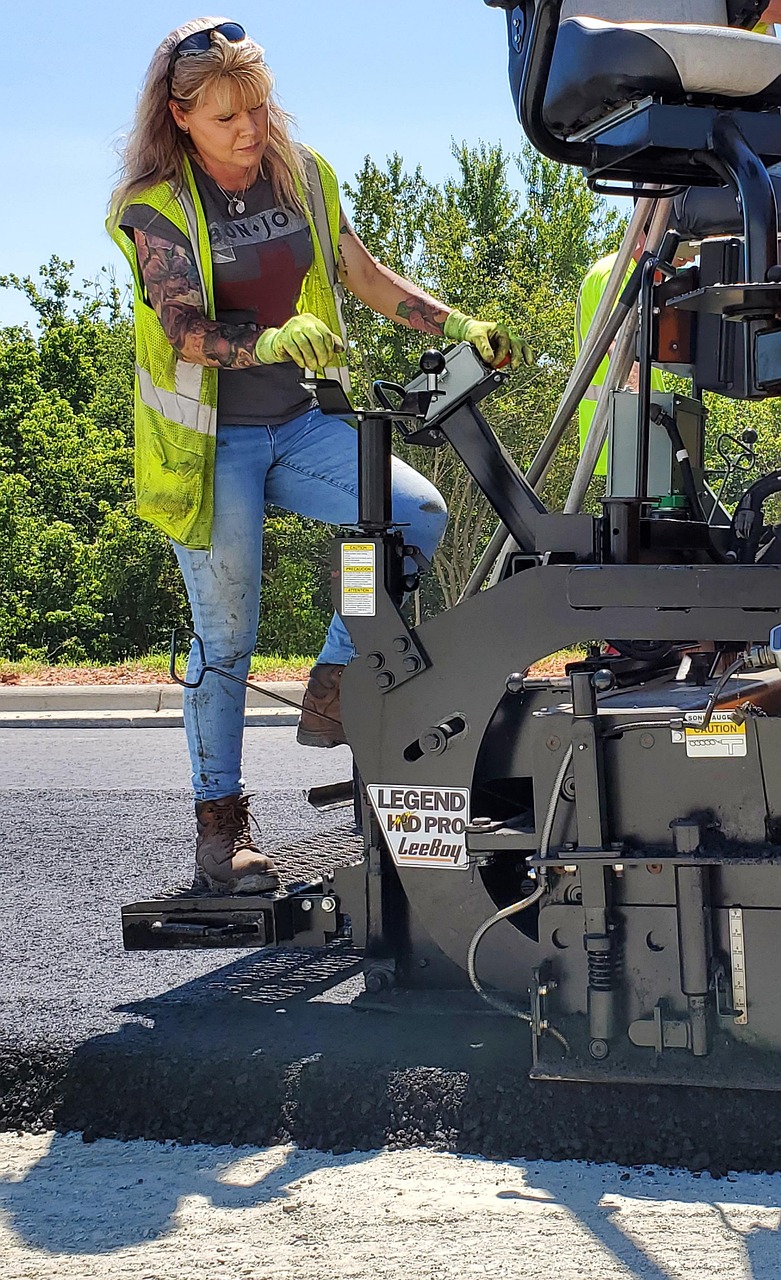
Understanding permits is a cornerstone for accurate ADU cost estimation. Permits and inspections are not mere formalities; they're vital steps in the ADU construction process, ensuring compliance with local building codes and safety standards. Every ADU cost estimator should appreciate their role. Obtaining the necessary permits involves research and interaction with local building departments. Homeowners often begin by consulting with licensed ADU builders reviews and trusted ADU construction services to grasp the permit requirements specific to their location and project size.
The process typically starts with a permit application, which requires detailed plans and specifications. Online ADU cost estimators can assist in gathering these documents, ensuring they meet all necessary criteria. Once approved, inspections at various stages of construction guarantee the project adheres to the approved plans and safety standards. These inspections can include structural integrity checks, electrical systems assessments, and plumbing verifications. ADU project reviews and ratings from satisfied homeowners offer valuable insights into the quality and efficiency of these processes, highlighting the importance of reputable contractors who prioritize compliance.
A homeowner in a densely populated area might require permits for both the ADU itself and any alterations to the main residence, each with its own set of requirements. A trusted ADU construction service can help navigate these complexities, ensuring permits are obtained promptly and inspections are scheduled effectively. This meticulous approach not only avoids costly delays but also ensures the final product complies with all regulations, enhancing its value and market appeal. Effective cost estimation, therefore, hinges on a thorough understanding of the permit process, making the adu cost estimator a crucial partner in the ADU construction journey.
Inspection Types: Influencing Construction Budget and Timeline

The quality and efficiency of an ADU project are heavily influenced by the type of inspections conducted. While permits are essential for legal compliance, inspections play a crucial role in ensuring the project stays on budget and meets safety standards. Top-rated ADU project estimators understand this interdependence, factoring potential inspection-related delays and costs into their initial cost estimates.
There are several types of inspections involved in ADU construction, each with its own purpose and impact. Structural inspections verify the integrity of the addition's framework and foundation, while electrical and plumbing inspections ensure these systems are safely and efficiently installed. Depending on local legal requirements for ADU contractors, these inspections may be conducted at various stages of construction, potentially adding to the overall project timeline. A well-planned ADU project will incorporate these inspection requirements into its schedule and budget, minimizing surprise costs.
According to ADU project reviews and ratings, open communication between homeowners, ADU project managers, and inspectors is vital. Prompt reporting of issues and rescheduling requests can significantly impact the project timeline. A delay in a building department's inspection due to a scheduling conflict may require a quick reassessment of the project budget, potentially affecting the selection of top-rated local contractors or materials. An adu cost estimator should factor these potential contingencies to provide a realistic estimate.
Legal requirements for ADU contractors vary by region, but all involve obtaining the necessary permits and passing inspections. Staying informed about these requirements is essential for successful project completion. Some areas mandate specific safety features or energy-efficient materials, which can influence material choices and installation costs. By understanding the inspection process and its potential implications, an adu cost estimator can guide homeowners towards a project that stays within budget and complies with local regulations.
Local Regulations: Navigating Variations in ADU Permit Requirements

Navigating local regulations is a critical yet often overlooked aspect of ADU cost estimation, as permit requirements can vary significantly from one municipality to another. This variability is driven by each city's unique building codes, zoning laws, and safety regulations, all of which impact the timeline and cost of your project. Some cities may have straightforward, uniform processes for ADU conversions, while others might demand extensive documentation and inspections at various stages of construction.
Understanding these local regulations is crucial for budgeting for ADU conversion. Permits can range from simple, one-time applications to complex, multi-step processes that require ongoing compliance checks. In some areas, obtaining a building permit for an ADU might involve submitting detailed architectural plans, structural calculations, and energy efficiency data. The complexity and cost of these requirements are reflected in the final project budget. Utilizing an ADU cost estimator software review can help homeowners and contractors anticipate these costs, as these tools often include data on permit fees and potential delays based on regional regulations.
Legal requirements for ADU contractors are another critical factor. Some cities mandate specific qualifications and licenses for construction professionals involved in ADU projects. This could mean that certain tasks, like electrical or plumbing work, must be performed by licensed tradespeople. Failing to comply with these legal requirements can lead to project delays, fines, or even the need to tear out and rebuild sections of the ADU. A comprehensive understanding of these legal obligations, coupled with the right adu cost estimator, can help ensure a smoother, more cost-effective construction process.
To efficiently manage ADU projects, consider leveraging ADU project management software that accounts for local regulations. These tools can automate permit tracking, schedule inspections, and provide real-time cost updates based on your location. An ADU cost estimator that integrates with project management software can generate a detailed budget, mark potential permit delays, and adjust cost estimates accordingly. By embracing these technologies and staying informed about local requirements, homeowners can make informed decisions, avoid surprises, and successfully navigate the ADU conversion process.
Permitting Process: Step-by-Step Guide for Accurate Costing

The permitting process is a critical yet often overlooked aspect of ADU cost estimation. Understanding how to navigate this process can significantly impact your budget. Here's a step-by-step guide for accurate costing, incorporating insights from experienced ADU cost estimators and licensed ADU builders:
-
Research Local Building Codes and Permits: Before breaking ground, familiarize yourself with your local building departments' requirements. Codes and permit processes vary widely by city and state. Some areas may mandate specific safety features or construction materials. Obtain the necessary permits, which often include a building permit and a separate permit for structural alterations. This step can take one to two weeks, depending on the complexity of your project.
-
Engage a Licensed ADU Builder: Collaborate with a licensed ADU builder to ensure compliance with both building codes and permit requirements. They'll have extensive experience navigating these processes and can provide valuable input into your cost estimate. Reviews from satisfied homeowners can help you choose a reputable builder. Be prepared to share detailed plans and specifications to streamline the permitting process.
-
Prepare Detailed Plans and Specifications: Create comprehensive plans that include architectural drawings, electrical and plumbing layouts, and material specifications. This level of detail is essential for accurate cost estimation and ensures that your project meets all local codes. Involve your ADU contractor early in this process to avoid costly changes later.
-
Submit Applications and Pay Fees: Package your plans, permit applications, and any required fees into a complete submission. The processing time for permits can vary, but plan for a minimum of one to two weeks. During this period, you might be contacted for clarifications or additional information. Once approved, you'll receive the necessary permits, allowing you to proceed with construction.
Emergency ADU construction costs can be significantly mitigated by efficient permitting. A well-prepared, accurate application expedites the process, avoiding potential delays that could impact your timeline and budget. Remember, an affordable ADU cost estimator is a valuable tool, but actual costs can vary based on local conditions, so consulting with a licensed ADU builder is crucial for a realistic estimate.
Inspection Timing: When and How to Plan for Quality Assurance

Inspection timing is a critical, yet often overlooked, aspect of ADU (accessory dwelling unit) cost estimation. For reliable ADU project budgeting, adu cost estimators must factor in the time and resources required for permits and inspections. These processes are not only legally mandated but also crucial for ensuring the quality and safety of your build.
Local building departments typically require inspections at various stages of construction. Pre-construction meetings with your ADU contractor and an adu cost estimator software review can help you anticipate these checkpoints. Common inspection phases include foundation work, framing, electrical, and plumbing installations. Each phase requires thorough evaluation, often involving different specialists, which can extend project timelines. A delay in electrical inspection could set back the entire project, impacting not only the ADU's cost but also your timeline for moving in.
To maintain a reliable budget, adu cost estimators should work closely with legal experts and experienced ADU builders. Understanding the legal requirements for ADU contractors ensures your project complies with local codes. This collaboration can help identify potential inspection pitfalls early on, allowing for better planning and cost allocation. Reliable ADU project budgeting considers the costs associated with any necessary rework due to inspection findings. An adu cost estimator should factor in a contingency fund to cover such unforeseen expenses, ensuring your project stays on track financially.
Cost Implications: Analyzing Permit and Inspection Costs in ADU Projects
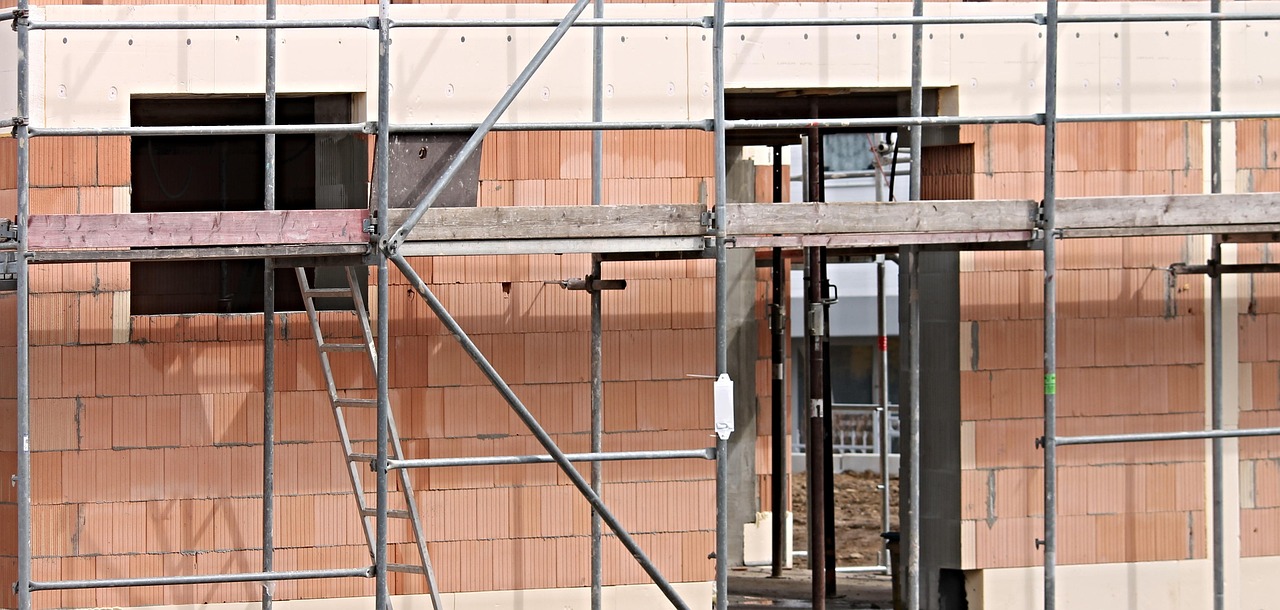
Permits and inspections play a crucial, often overlooked, role in ADU cost estimation. While these processes are essential for ensuring safety, code compliance, and quality, their associated costs can significantly impact the overall project budget. An adu cost estimator, whether a software tool or a professional service, must account for these costs to deliver an accurate estimate.
The cost implications of permits and inspections can vary widely depending on several factors, including local building codes, project complexity, and the number of required inspections. Green building practices, which are increasingly popular for ADUs, may require additional inspections and certifications, adding to the overall cost. According to a recent industry survey, the average permit application fee for an ADU in the [city/region] area ranges from [fee range]. The cost of inspections, which often includes fees for building inspectors, electrical inspectors, and other specialized professionals, can add several thousand dollars to the project. An experienced adu cost estimator software review should consider these variables, factoring in potential increases due to green building practices or complex projects.
ADU project reviews and ratings from satisfied homeowners and industry experts can offer valuable insights into the true cost of permits and inspections. By analyzing successful projects, estimators can gain a better understanding of typical fee structures and potential cost-saving strategies. Some contractors may offer bundled services that include permits and inspections, reducing overall costs. Using online platforms for adu cost estimator software can provide access to a broader network of licensed professionals, potentially leading to more competitive pricing. Effective project management, including meticulous planning and clear communication with local building departments, can also mitigate unexpected permit and inspection delays, further influencing cost outcomes.
Best Practices: Ensuring Permits and Inspections Support Successful ADU Construction

Permits and inspections are critical components of any successful ADU construction project. They ensure compliance with local building codes and safety standards, which is essential for the structural integrity and legal standing of the final product. For an adu cost estimator, understanding the role of these processes is paramount. Trusted ADU construction services often emphasize the importance of thorough permits and inspections, integrating them into their project planning and management strategies.
The process begins with obtaining the necessary permits from the local building department. These permits verify that the proposed ADU meets all zoning regulations and building codes. Homeowners and contractors should work closely with the building department to understand specific requirements, as local ADU building costs can vary significantly based on permit fees and compliance needs. An effective adu cost estimator software review should consider these variable costs, factoring in potential permit-related delays and additional expenses. A permit for a small, modular ADU in an urban area might cost less than one for a larger, custom-built structure in a suburban neighborhood.
Inspections are scheduled at various stages of construction to verify that the ADU is built according to the approved plans and local codes. These inspections can include structural, electrical, and plumbing assessments. Efficient project management, aided by digital tools and software, can minimize disruption to homeowners and maximize the safety of the construction site. During these inspections, experienced ADU builders and trusted construction services ensure that any issues are promptly identified and addressed, preventing costly rework later in the project. By integrating permits and inspections into project planning, an adu cost estimator can better predict timelines and final costs, ultimately providing homeowners with more accurate and reliable estimates.
Frequently Asked Questions About The Role of Permits and Inspections in ADU Cost Estimation
What is the purpose of permits in ADU (Accessory Dwelling Unit) construction? Permits are essential for ensuring that ADU projects comply with local building codes, zoning regulations, and safety standards. They authorize construction, protect neighbors, and confirm that the ADU is safe and legally compliant. Obtaining permits is crucial before breaking ground, as it can impact cost, timeline, and potential future sale value.
How do inspections fit into the ADU cost estimation process? Inspections are conducted at various stages of construction to verify that work is completed according to the approved plans, permits, and local codes. They ensure the ADU's structural integrity, electrical safety, plumbing functionality, and overall quality. Inspections can impact cost through potential fine adjustments, delay charges, or required rework, emphasizing the importance of accurate planning and pre-construction consultation.
Are there different types of inspections for ADUs? Yes, inspections vary based on the project's complexity and local requirements. Common inspections include framing, electrical, plumbing, and final completion. Some jurisdictions also mandate separate inspections for specific systems or features, such as HVAC, fire safety, or accessibility. Understanding these various inspection types is vital for a precise cost estimate.
Who is responsible for obtaining and paying for permits and inspections? The property owner is typically responsible for obtaining and paying for all necessary permits and inspections. This includes the application fees and, in some cases, the cost of inspections themselves, which are often borne by the contractor but ultimately the owner's responsibility. Understanding these financial obligations is key to managing ADU costs effectively.
How do permits and inspections affect the timeline of an ADU project? Permits and inspections can add several days to weeks to the overall project timeline. This delay is due to the application process, inspection scheduling, and potential rework if initial inspections reveal non-compliance. Accurate scheduling and understanding these delays are crucial for setting realistic expectations and managing client expectations.
Can a single inspection cover all ADU systems and features? Generally, inspections focus on specific systems or aspects of construction. A single inspection might cover structural integrity or electrical safety, but comprehensive coverage of all ADU systems and features would require multiple inspections. This fact highlights the importance of a detailed plan and a clear understanding of local inspection requirements.
As ADU construction gains popularity, understanding the intricate relationship between permits, inspections, and cost estimation is crucial for successful projects. This article has examined the foundational aspects of permits, exploring various inspection types and their profound impact on budget and timeline. The complexity of local regulations and their influence on ADU projects have been highlighted, emphasizing the need for thorough permitting process planning.
The step-by-step guide to the permitting process equips homeowners and contractors with the knowledge to navigate the system effectively. Further, the strategic timing of inspections is revealed as a key factor in ensuring quality assurance, minimizing delays, and controlling costs. By analyzing the cost implications of permits and inspections, the article uncovers the potential for significant financial fluctuations within ADU projects.
An adu cost estimator must not only master the art of budgeting and forecasting but also understand the regulatory landscape and inspection protocols. By adhering to best practices, adopting efficient project management strategies, and staying informed about local regulations, homeowners and contractors can ensure their ADU projects are permitted, constructed, and inspected to the highest standards, ultimately maximizing the return on investment.
Permits and inspections are vital for ADU cost estimation, ensuring compliance, safety, and budget accuracy. Understanding local requirements, engaging licensed builders, and planning for potential delays are key. An adu cost estimator should factor in permit fees, inspection costs, and potential contingencies for accurate budgeting. Staying informed about legal mandates and industry insights helps guide successful, cost-effective ADU projects.