
Accessory Dwelling Units (ADUs) are gaining popularity as a cost-effective way to add housing, generate rental income, and enhance property value. However, the initial cost of an ADU project can be a barrier for many homeowners. Understanding local pricing is crucial for making informed decisions, yet comparing estimates from different contractors can be time-consuming and complex. This article guides you through the process of securing adu cost estimator services to streamline the project planning phase. By utilizing online tools and local expertise, you can quickly gather precise quotes, ensuring your ADU project stays within budget and on track.
- Understanding ADU Costs: What to Expect
- Finding Reputable Local Contractors
- Requesting and Comparing ADU Quotes
- Factoring In Permits and Inspections
- Analyzing Cost Drivers: Materials & Labor
- Negotiating and Finalizing the Contract
- Post-Construction: Ensuring Quality and Satisfaction
Understanding ADU Costs: What to Expect

Understanding ADU Costs: What Homeowners Can Expect
When considering an ADU (Accessory Dwelling Unit) project, one of the most crucial aspects is understanding the cost. The ADU value vs. Construction cost analysis is a critical factor in determining the feasibility and return on investment. While the cost can vary significantly based on location, size, complexity of design, and quality of materials, an adu cost estimator can provide a ballpark figure. A simple, small ADU in a lower-cost area might range from $30,000 to $50,000, while a more elaborate, larger unit in a high-end market could easily exceed $100,000.
Licensed ADU builders reviews and local market analysis are essential for accurate cost estimation. Homeowners should research and connect with top-rated, licensed ADU builders in their area. These professionals can offer insights into the latest trends, local permit requirements, and the overall cost breakdown. A licensed builder in a rapidly growing city with stringent building codes might charge a premium due to increased material and labor costs. Engaging with experienced contractors allows for a more precise ADU value vs. Construction cost analysis, ensuring that the project stays on budget.
Beyond construction costs, homeowners should consider the value an ADU brings to their property. An efficient project management strategy, utilizing tools like online ADU cost estimators and project management software, can help reduce overall expenses. Prioritizing cost-cutting strategies, such as selecting local suppliers and optimizing material use, can significantly impact the final price tag. By combining a thorough cost analysis with a well-planned project, homeowners can ensure their ADU project delivers both value and a positive return on investment.
Finding Reputable Local Contractors
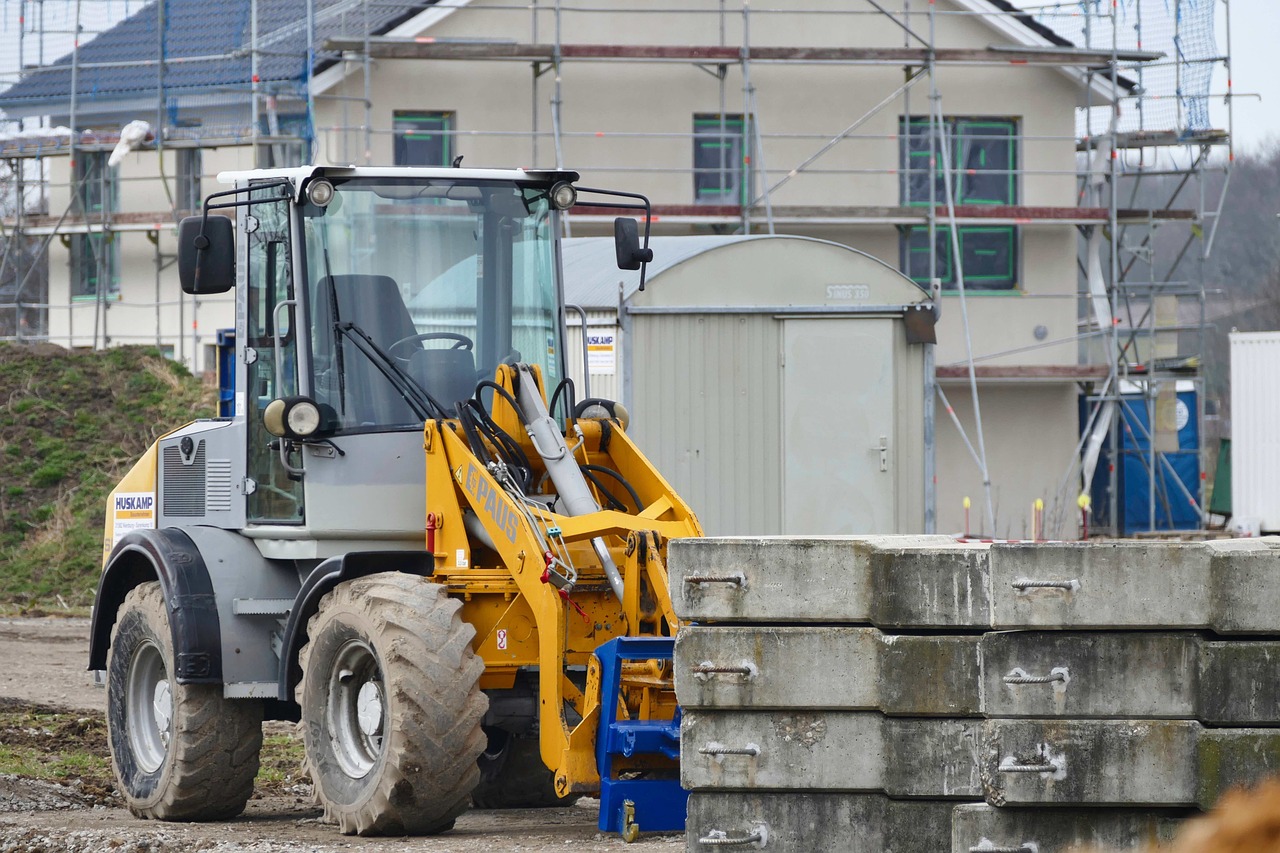
When planning an ADU (accessory dwelling unit) project, finding reputable local contractors is crucial for reliable ADU project budgeting and successful execution. The adu cost estimator is a valuable tool to get initial project costs, but it's the contractors you select that will make or break your build. To ensure quality and value, start by asking for referrals from friends, family, or neighbors who have recently completed similar projects. Online review platforms and local building forums can also offer insights into top-rated ADU project estimators and contractors in your area.
Next, thoroughly vet any potential candidates. Check their licenses with the state licensing boards and ensure they have the necessary permits and insurance coverage. Review their past projects, focusing on those similar to yours in terms of size, scope, and green building practices. Many ADU builders prioritize sustainability with energy-efficient appliances, solar panels, and eco-friendly materials. This not only reduces long-term utility costs but can also enhance the property's value. Asking contractors about their experience with green building practices will help you find estimators who align with your environmental goals.
Before signing a contract, obtain detailed cost breakdowns and compare quotes from multiple contractors. A reputable adu cost estimator can help with this initial phase, providing a benchmark for the project's financial scope. Consider the contractor's reputation for timely project completion, responsiveness to communication, and their track record with customer satisfaction. A well-planned budget, combined with a top-rated ADU project estimator and contractor, will set the stage for a successful and stress-free ADU build.
Requesting and Comparing ADU Quotes

When planning an ADU (accessory dwelling unit) project, one of the most crucial steps is securing reliable ADU cost estimates. Requesting and comparing quotes from local contractors is an essential part of this process. Utilizing an adu cost estimator app for iOS can streamline this task, offering a convenient and efficient way to gather data. These apps often provide a comprehensive breakdown of potential costs, from labor and materials to permits and inspections. You might input your project specifics-size, location, and desired features-and receive a customized estimate within minutes.
To ensure you're making an informed decision, consider the following: first, verify the top-rated ADU project estimators in your area by checking online reviews and ratings. Second, compare multiple quotes from different contractors to identify any discrepancies or unusual costs. A reliable adu cost estimator should align with your budget and project scope, providing a clear and realistic picture. It's also wise to consult with local building departments to understand any additional permits or regulations that might impact the project, which could influence the overall cost.
Once you've gathered several estimates, evaluate them based on both price and the estimator's understanding of your project. A good project estimator should be able to answer your questions thoroughly and offer suggestions for cost-cutting strategies if needed. Remember, the goal is to find a balance between quality and affordability. By carefully considering these factors, you'll be well on your way to a successful ADU project, ensuring that your investment is both practical and financially sensible.
Factoring In Permits and Inspections
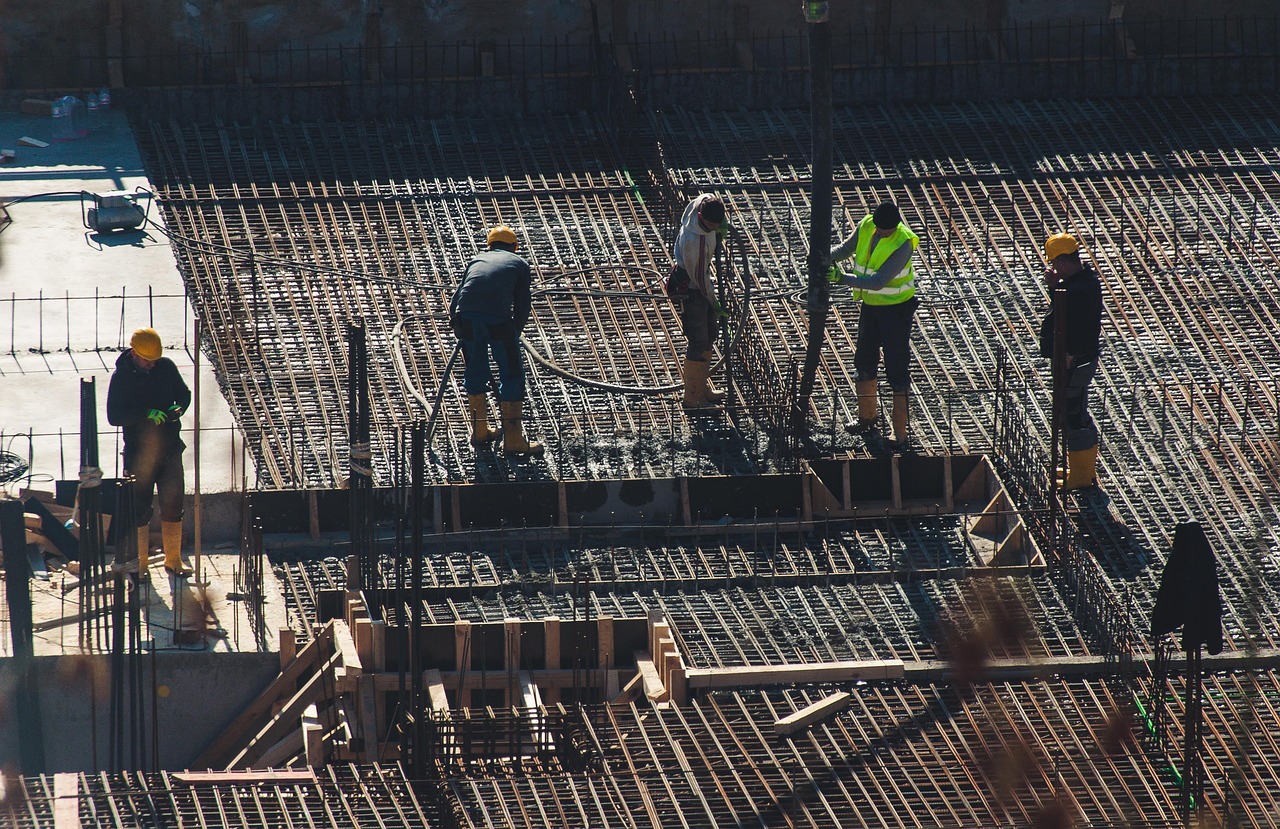
When planning an ADU conversion, budgeting for permits and inspections is an essential yet often overlooked aspect. These costs can significantly impact your overall project expenses, and proper planning can help you avoid ADU cost overruns. Permits and inspections are necessary to ensure your ADU meets local building codes and safety standards, but the associated fees can vary widely based on your location and project scope.
Using an adu cost estimator can provide a good starting point for budgeting these expenses. Online platforms and software are designed to account for typical permit and inspection costs based on your region. These tools may factor in fees for building permits, electrical inspections, plumbing permits, and final occupancy inspections. By inputting your project details, you can quickly estimate these costs and integrate them into your overall budgeting for ADU conversion. Trusted ADU construction services often include these fees in their quotes, but comparing estimates from multiple contractors is advisable to ensure you're getting a fair price.
Local building departments play a crucial role in this process. They dictate the specific permits required and can offer guidance on the inspection process. It's essential to communicate openly with your ADU contractor about these costs and ensure they align with your expectations. Some departments may offer online resources or digital application processes, streamlining the permit acquisition process. This efficiency can contribute to a smoother project timeline and help maintain your budget. By understanding and accounting for permit and inspection costs upfront, you'll be better prepared to make informed decisions and successfully avoid unexpected ADU construction expenses.
Analyzing Cost Drivers: Materials & Labor
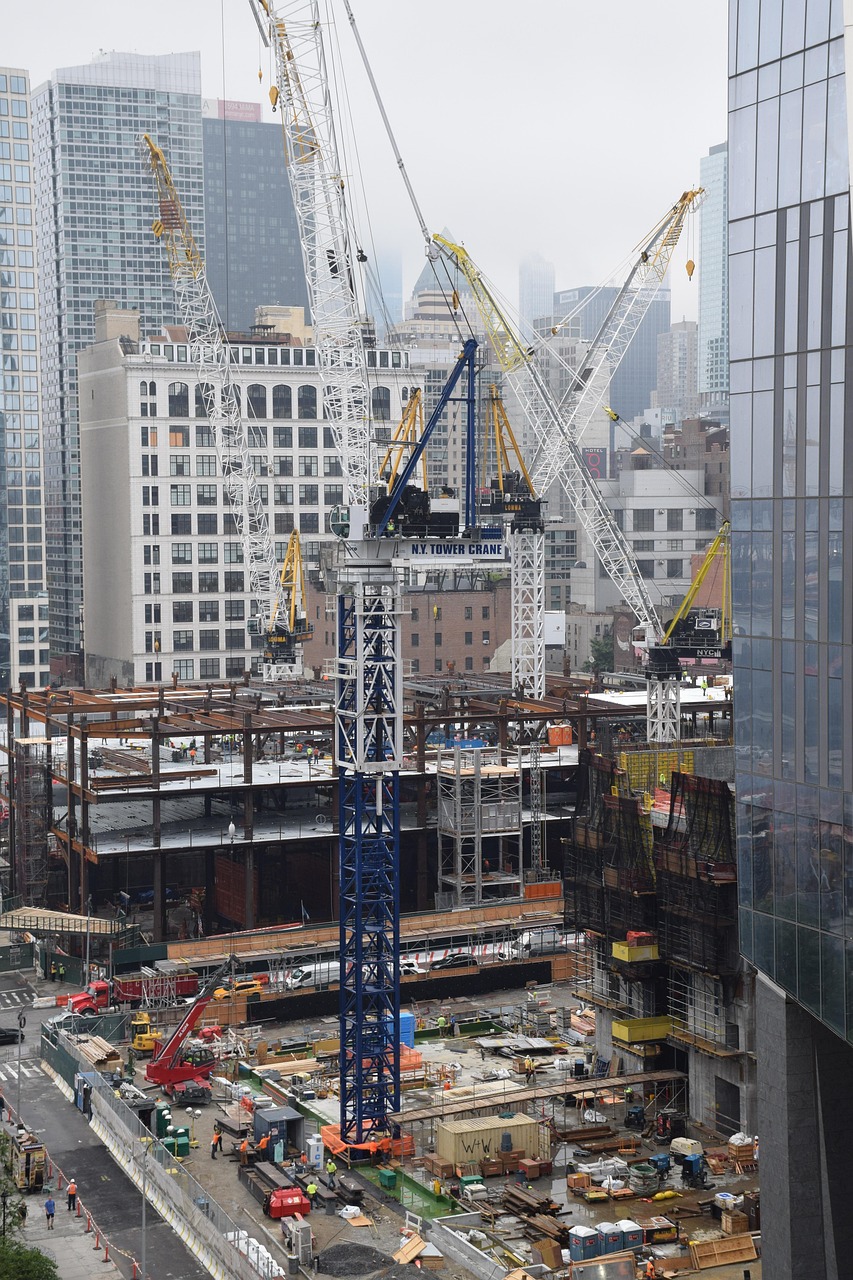
When planning an ADU (accessory dwelling unit) project, understanding the cost drivers is crucial for reliable ADU project budgeting. Two primary factors significantly influence the final price tag: materials and labor. Let's examine each.
Materials: The choice of building materials can dramatically impact your ADU cost estimator. Concrete and steel are more expensive than wood framing but offer superior durability. Similarly, high-end finishes like quartz countertops and custom cabinets will add to the overall cost. It's essential to balance your budget with your desired quality and features. One strategy is to opt for standard materials in high-demand areas, as they often have consistent availability and pricing.
Labor: Labor costs, including those for skilled tradespeople like electricians and plumbers, represent a substantial portion of any ADU project. The availability and rate of local ADU contractors heavily influence these costs. Using an adu cost estimator tool can help you gauge average labor rates in your area. Keep in mind that specialized skills, such as structural engineering or complex electrical work, often command premium rates. To manage labor costs, consider hiring a general contractor who can oversee multiple tradespeople, streamlining the process and potentially reducing overall labor expenses. In some regions, legal requirements for ADU contractors necessitate licensed professionals, adding to the project budget.
Accurate ADU budgeting requires a nuanced understanding of these cost drivers. Engaging with trusted ADU construction services and seeking expert advice from the outset can help navigate these complexities, ensuring your project stays on track and within budget.
Negotiating and Finalizing the Contract
Negotiating and finalizing the contract with the best ADU contractors near me is a crucial step in your project's timeline. After securing estimates from various professionals using an affordable ADU cost estimator, it's essential to sift through the details and agree on terms that protect both you and the contractor. A thorough, professional ADU cost analysis reveals potential hidden costs, ensuring your project stays on budget.
Start by reviewing the scope of work clearly outlined in the contract. Ensure every detail, from materials to labor, aligns with the initial cost estimate and your project plans. This is also an opportunity to clarify any contingencies, such as changes in material prices or unforeseen structural issues that may arise during construction. Don't hesitate to ask questions; a good contractor will welcome your input. Inquire about their process for handling unexpected challenges and how they communicate changes in costs or timelines.
Next, focus on payment terms. Discuss the schedule for payments, requesting detailed milestones that correlate with the project's progress. This ensures your investment is accounted for at each stage. Address any guarantees or warranties offered with the work. Reputable contractors will stand behind their workmanship, providing peace of mind. Before signing, take your time to assess the entire contract, seeking clarification on any ambiguous clauses. Remember, a well-negotiated contract is the foundation for a successful ADU project.
Post-Construction: Ensuring Quality and Satisfaction
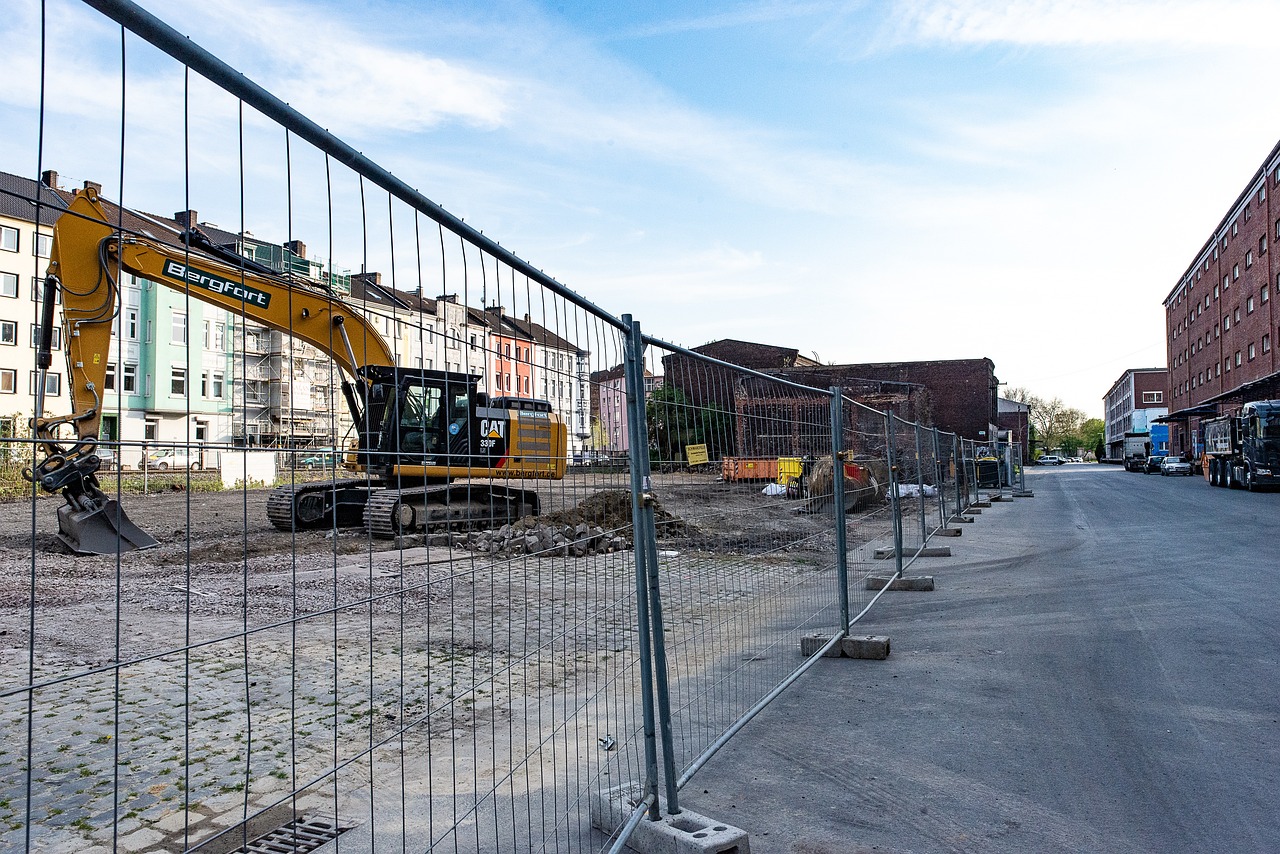
After the construction phase comes the crucial step of ensuring the quality and satisfaction of your ADU project. This involves careful evaluation of the final product and the overall experience, which can greatly impact your future home improvement endeavors. One effective way to gauge the success of your ADU build is by comparing the actual costs and outcomes with your initial expectations.
Utilizing an adu cost estimator at this stage allows you to assess whether the project was delivered within the estimated budget and if the quality aligns with your standards. Nearby ADU renovation prices can vary significantly, and experienced ADU builders cost more than DIY projects. Therefore, it's essential to have a clear understanding of the market rates for your area. Reviews and ratings from other ADU project owners can provide valuable insights into the reliability and craftsmanship of local contractors. Websites that aggregate these reviews offer a comprehensive view of a contractor's performance, helping you make informed decisions.
You may discover that while your initial estimate was for a basic ADU addition, the final costs reflect a more luxurious finish. In such cases, an adu cost estimator can help you analyze the discrepancies and identify areas where you may have overspent or where cost-cutting measures could be applied. By comparing the project's actual cost against the estimator's prediction, you can assess the transparency and efficiency of your ADU builders. This process encourages open communication and ensures that future projects benefit from the lessons learned.
Frequently Asked Questions About Nearby ADU Cost Estimates: Finding Local Quotes for Your Project
What is an ADU, and why are costs important to consider? An Accessory Dwelling Unit (ADU) is a separate residential structure on a property, often used as a rental unit or for extended family. Cost estimates are crucial because they help you understand the financial commitment, allowing you to plan and budget effectively. Factors like size, complexity of construction, local permits, and materials significantly impact ADU installation costs.
How do I get accurate local ADU cost estimates? Contacting local contractors, builders, or construction companies is the best way to obtain accurate estimates. They can assess your property, consider local building codes, and provide tailored quotes. Online tools and general estimators are available, but they often oversimplify complex projects. Personal consultations ensure you understand the price breakdown and potential hidden costs.
What factors affect the cost of an ADU installation? Several factors influence ADU costs. These include the size and design of the unit, local permit fees, building codes, the cost of materials (like insulation, flooring, and fixtures), labor rates, and any required structural modifications. Complex projects with unique designs or multiple ADUs may have significantly higher costs.
Are there any legal or regulatory considerations to keep in mind? Absolutely. Local building codes, zoning regulations, and permit requirements govern ADU construction. Ensure your chosen contractor is licensed and familiar with these rules. Permits, inspections, and compliance with safety standards are essential to avoid legal issues and potential fines.
Can I compare quotes from different contractors? Comparing quotes is highly recommended. Request detailed estimates from several contractors to gauge the range of prices. Compare not only the bottom line but also the scope of work, services included, and the level of expertise offered. This ensures you get the best value for your investment and a comprehensive understanding of the project's financial aspects.
When navigating the complexities of an ADU project, understanding the financial landscape is crucial. Utilizing an adu cost estimator acts as a compass, guiding homeowners and project managers through the budgetary maze. By comparing local quotes from reputable contractors, you gain leverage in negotiations and ensure your project stays on track financially. Remember, the key to successful cost management lies in meticulous planning, factoring in permits and inspections, and recognizing the influence of materials and labor costs.
Beyond the initial estimate, post-construction evaluation is vital to assess quality and satisfaction. This ensures your investment not only aligns with your expectations but also complies with local regulations. Embracing these practices empowers you to transform your property with confidence, turning your vision into a reality without breaking the bank.
When planning an ADU project, understanding costs is crucial. Use an adu cost estimator as a starting point, but focus on accurate local quotes from licensed builders. Analyze trends, permit requirements, and cost breakdowns. Efficient project management and cost-cutting strategies further reduce expenses.
For permits and inspections, research local building codes and fees. Online platforms can estimate these costs, but compare quotes from contractors to ensure fairness.
Material choices and labor rates significantly impact costs. Standard materials and general contractors can manage labor expenses.
Negotiate contracts thoroughly, ensuring milestones, payment terms, and warranties are clear.
Post-construction, compare actual costs, outcomes, and reviews to gauge project success and inform future projects.