As property owners, the prospect of expanding our living spaces can be both exciting and daunting. Accessory Dwelling Units (ADUs) offer a practical solution, adding valuable real estate while enhancing property value. However, the financial barrier often deters homeowners. This is where an adu cost estimator comes into play, serving as a crucial tool to demystify the budgeting process.
The challenge lies in accurately predicting ADU construction costs, influenced by factors like size, location, and local regulations. This article provides a comprehensive, step-by-step guide to navigating these complexities, empowering property owners to make informed decisions about their ADU projects. By the end, you'll have the knowledge to confidently utilize an adu cost estimator and achieve the benefits of this affordable expansion option.
- Assess Your Property: Key Factors for ADU Cost Estimator
- Define Your ADU: Size, Style, and Functionality Impact Costs
- Local Permits and Inspections: Understanding Regulations' Financial Influence
- Labor and Materials: Detailed Cost Breakdown for Your ADU
- Hiring Professionals: When to Use Experts in the ADU Costing Process
- Budgeting for Unforeseen Expenses: Be Prepared with Your ADU Cost Estimator
- Long-Term Savings and ROI: Measuring Success of Your Affordable ADU
Assess Your Property: Key Factors for ADU Cost Estimator
When planning an affordable ADU (accessory dwelling unit), the first step is to accurately assess your property's potential. This involves understanding several key factors that will influence the cost of your project. A reliable adu cost estimator, often in the form of an online tool or experienced local contractor, is your best guide through this initial phase.
Consider the location of your property, as local ADU building costs can vary significantly. Building codes, permit fees, and labor rates differ from city to city, state to state, and even neighborhood to neighborhood. Urban areas with high land values often come with higher construction costs. An adu cost estimator tailored to your region can provide a more precise estimate. Property size and complexity are also crucial. Smaller, simpler designs are generally less expensive to build than larger, more intricate structures. A well-designed, cost-cutting layout, perhaps incorporating efficient space utilization or modular construction, can significantly reduce your project's price tag.
Another vital factor is the expertise and reputation of experienced ADU builders in your area. The cost of labor varies based on the skill level required for your project. Local builders with a proven track record of successful affordable ADU projects can offer valuable insights into optimizing both cost and quality. They may suggest cost-saving materials or efficient construction methods. Comparing estimates from several experienced ADU builders is a practical step. This allows you to gauge the market rate for your region and identify any potential outliers, helping to ensure your project stays within budget.
Lastly, don't overlook potential permit costs and other miscellaneous expenses. An adu cost estimator should account for these, but it's wise to have a buffer in your budget for any unforeseen challenges. Permits, inspections, and utility connections can add up, especially for projects with unique design elements or structural modifications. By thoroughly assessing these factors, property owners can begin their ADU journey with a solid understanding of affordable ADU cost estimator ranges and the potential for successful, cost-effective construction.
Define Your ADU: Size, Style, and Functionality Impact Costs
Defining your ADU: Size, Style, and Functionality Impacts Costs
When considering an Affordable ADU (Accessory Dwelling Unit), one of the most crucial steps in your project planning is defining its size, style, and functionality. These aspects directly influence both the ADU value vs. Construction cost analysis and the overall affordability of your project. Start by envisioning how you want to use the space: a guest suite, a home office, or a flex room? Each purpose has different space requirements and can significantly impact your budget. A smaller guest suite may cost less to build than a larger home office with specific features like built-in bookshelves or a dedicated bathroom.
Once you've determined the essential functions, it's time to think about the style and design. Will your ADU blend seamlessly with the existing structure, or do you envision a more distinct architectural statement? The choice of materials, finishes, and design complexities can dramatically affect costs. Working with a licensed ADU builder who can provide a detailed estimate based on your specific needs is essential. They can guide you through the process, ensuring that your vision aligns with practical considerations and budget constraints.
Using an affordable ADU cost estimator early in the planning stage can give you a baseline understanding of the potential costs. However, remember that construction costs can vary widely based on location, market conditions, and the complexity of the build. In certain areas, permitting and labor costs might be higher, while others might offer more affordable options due to local regulations and a competitive contractor market. Reviews of licensed ADU builders can provide valuable insights into their reputation, experience, and typical pricing ranges, helping you make informed decisions.
By carefully considering these factors, you can create an ADU that maximizes both functionality and affordability. This strategic approach ensures that your investment in an ADU not only enhances your property's value but also provides a practical and cost-effective solution to your space needs.
Local Permits and Inspections: Understanding Regulations' Financial Influence

Understanding local permits and inspections is a crucial step in the affordable ADU cost calculation process. These legal requirements for ADU contractors can significantly influence the overall project budget. Every property owner wants to ensure they're in compliance and avoid costly mistakes, which is where a professional ADU cost analysis comes in. Top-rated ADU project estimators can provide valuable insights into these regulations and their financial implications.
Local building departments enforce codes and regulations specific to your area, which can vary widely. Some regions may require permits for structural modifications, while others might have strict guidelines for electrical and plumbing work. Each permit application involves fees and may take time to process, impacting your project timeline and budget. An adu cost estimator can help you account for these costs and potential delays by factoring in the average time to obtain permits and the associated fees.
Inspections are a critical part of the construction process, ensuring buildings meet safety and quality standards. However, they can add to the overall cost and time of your ADU project. Regular communication with local ADU contractors and your project manager is essential to understand the inspection process and any potential issues. Many contractors offer pre-inspection planning to minimize surprises and ensure a smoother construction process. By understanding these legal requirements and their financial implications, property owners can make informed decisions, creating a more accurate budget and timeline for their ADU project.
Labor and Materials: Detailed Cost Breakdown for Your ADU
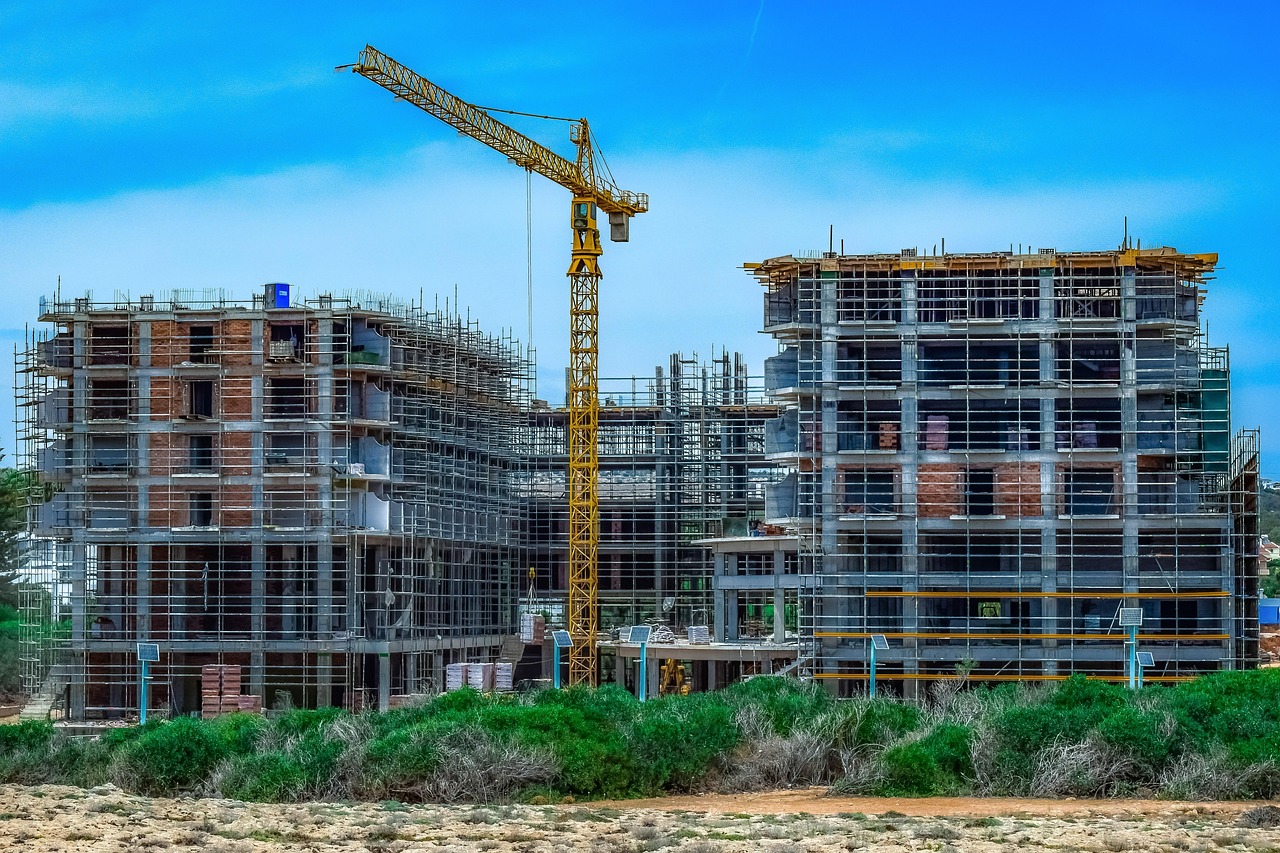
When planning an Affordable ADU (Accessory Dwelling Unit), understanding the labor and materials costs is crucial. This detailed breakdown is a critical component of your adu cost estimator, helping you to budget effectively and avoid surprises. Labor accounts for a significant portion of the overall ADU construction cost, varying based on location, complexity, and the type of construction. A basic modular ADU may have lower labor costs than a custom-built structure.
The cost of materials, on the other hand, includes everything from foundation and framing to roof and finishing touches. Using an adu cost estimator app for iOS, like those offered by leading project management software, allows you to input specific material choices and local supplier prices. This ensures a more precise estimate tailored to your project. Remember, prices can fluctuate based on market demand and availability, so staying updated with current rates is essential.
Legal requirements for ADU contractors also impact the cost. Permits and inspections, mandated by local building departments, are non-negotiable expenses. The complexity of the project may necessitate the services of specialized tradespeople, such as electricians or plumbers, adding to the labor costs. A well-planned budget, incorporating these variables, is key to a successful and affordable ADU project.
Comparing estimated costs from different contractors and suppliers is a practical way to optimize your budget. This comparison, alongside the detailed breakdown, empowers you to make informed decisions, ensuring your ADU project stays on track and within your financial plan. An adu cost estimator is an indispensable tool in your project management arsenal, guiding you through the complexities of labor and materials.
Hiring Professionals: When to Use Experts in the ADU Costing Process

Hiring professionals is a crucial step in the ADU costing process, especially when aiming for an affordable and well-executed project. While many property owners might be inclined to handle cost estimation in-house, seeking expert advice can significantly streamline the process. A licensed ADU builder, for instance, can provide valuable insights into local regulations, building codes, and material costs, which are often beyond the scope of a DIY approach. These professionals often have access to top-rated ADU project estimators who can deliver precise budgets based on detailed plans.
When deciding to involve experts, it's essential to consider the scale of your project and your own expertise. Complex projects or those requiring specialized skills, like emergency ADU construction, may demand the expertise of seasoned professionals. A property owner in a rapidly growing urban area might benefit from a licensed ADU builder's knowledge of local market conditions and their network of reliable subcontractors. This can lead to cost savings and faster completion times compared to managing multiple contractors independently.
Reviews from satisfied customers of reputable ADU builders can be a powerful tool. These testimonials offer a glimpse into the quality of their work, project management, and pricing transparency. A top-rated ADU project estimator might charge a small consultation fee, providing peace of mind and saving property owners valuable time and money in the long run. This is particularly beneficial for first-time ADU builders, ensuring their project stays on budget and within the legal framework.
Budgeting for Unforeseen Expenses: Be Prepared with Your ADU Cost Estimator
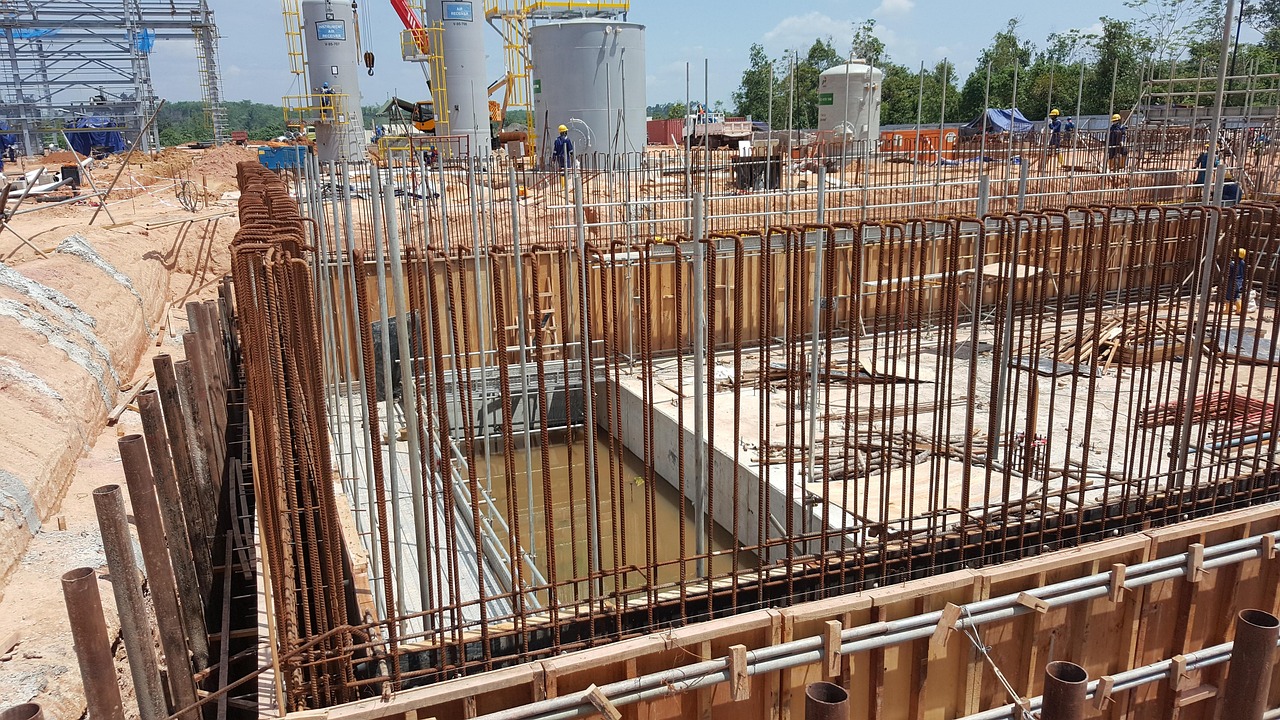
When planning an affordable ADU (accessory dwelling unit) project, budgeting for unforeseen expenses is crucial. Many property owners underestimate the total cost, often encountering surprise bills mid-project. This is where an adu cost estimator becomes an indispensable tool. It allows you to predict potential costs and prepare a more accurate budget, minimizing the risk of running out of funds.
While getting same-day ADU quotes can be tempting, it's important to remember that these are initial estimates based on surface-level details. Actual costs can fluctuate significantly based on factors like site-specific challenges, local building codes, and the choice of materials. Renovation prices for an older property can vary widely depending on the extent of necessary repairs. An adu cost estimator takes these variables into account, offering a more nuanced understanding of potential expenses. Incorporating green building practices, which can reduce long-term operational costs, is another important consideration.
Beyond initial estimates, it's crucial to build a contingency fund into your budget. This fund should cover unexpected costs that may arise during the ADU project. Unexpected expenses can include permit fees, permit changes, or unforeseen structural issues. This cautious approach ensures that you're prepared for any unforeseen challenges that may come up during the ADU renovation process.
For property owners looking to minimize costs, working with local ADU contractors and property appraisers who understand the market can be immensely helpful. They can provide insights into cost-effective materials and design choices, as well as help you avoid overpaying for labor or materials. Regularly reviewing your adu cost estimator throughout the project, making adjustments as necessary, will ensure that your budget remains on track and that your ADU is completed to your satisfaction without breaking the bank.
Long-Term Savings and ROI: Measuring Success of Your Affordable ADU
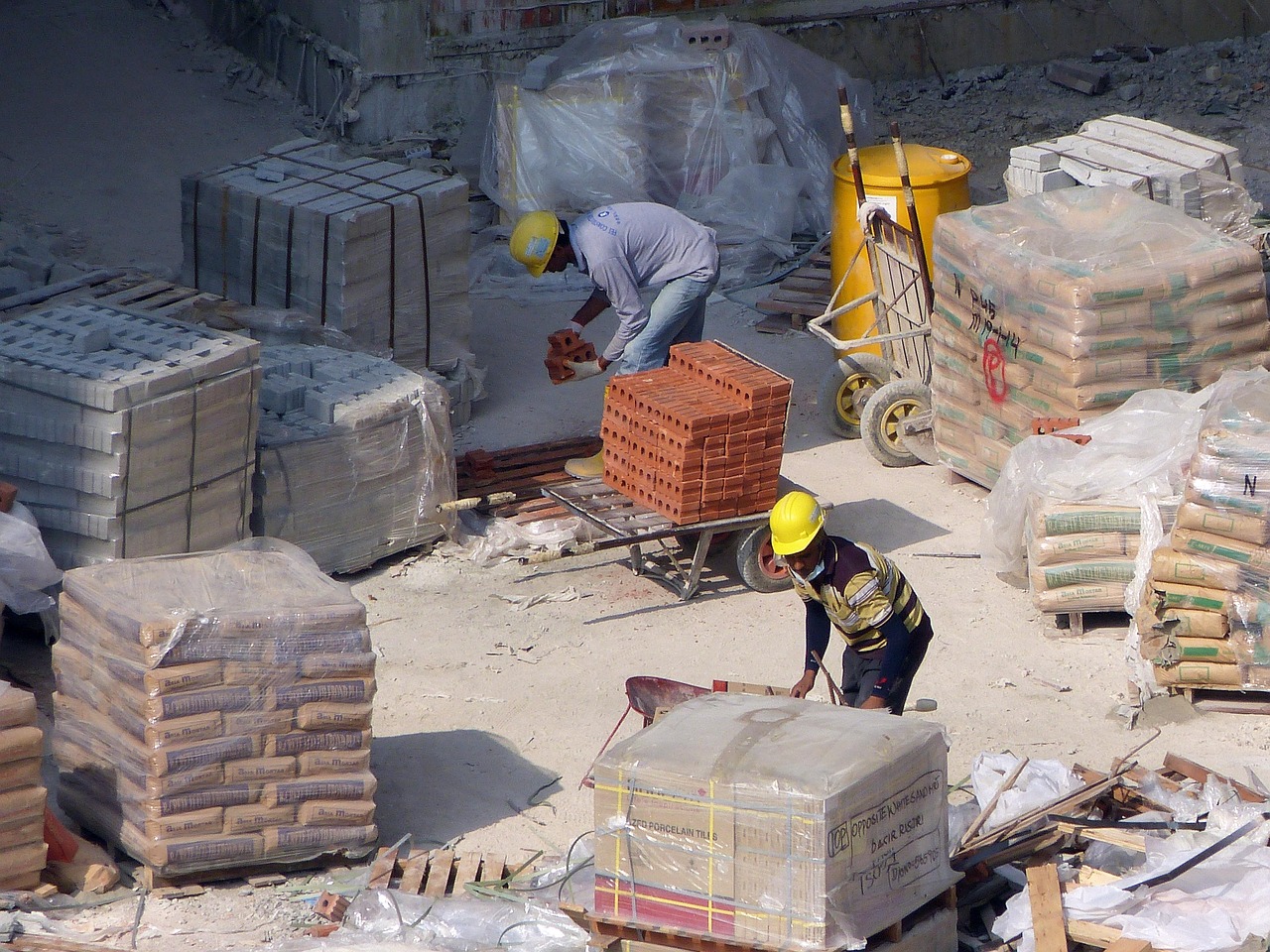
When evaluating the long-term savings and return on investment (ROI) of an affordable ADU, property owners must consider more than just the initial construction costs. While an adu cost estimator can provide a baseline budget, understanding the broader financial picture is crucial. Think of your ADU as a long-term investment; its value should grow over time, contributing to your property's overall equity and potentially offering substantial financial benefits.
One of the most significant advantages is the potential for increased rental income. An ADU can provide a steady stream of passive revenue, especially in areas with high housing demand. A $500,000 property could generate $2,500 to $5,000 in monthly rental income, depending on local market conditions and the ADU's size and amenities.
Yet, long-term savings extend beyond rental income. An ADU can lead to substantial utility cost savings for property owners. By housing a separate unit, you can reduce overall energy consumption and water usage, lowering utility bills. A study by the U.S. Department of Energy found that multi-family dwellings, including ADUs, can achieve energy savings of 20% to 50% compared to single-family homes. This translates to not only lower monthly expenses but also a smaller environmental footprint, making your property a more sustainable and attractive option for potential tenants.
Proper budgeting for ADU conversion, utilizing a reliable adu cost estimator and consulting with local experts, is key to maximizing these long-term gains. By considering the potential for increased rental income and utility savings, property owners can make informed decisions that go beyond immediate construction costs, ensuring their investment in an affordable ADU is a sound and profitable one.
Frequently Asked Questions About Affordable ADU Cost Calculation: Step-by-Step Process for Property Owners
What is an ADU and why consider one?
An Accessory Dwelling Unit (ADU) is a separate, self-contained residence added to a property, often over a garage or in the backyard. Property owners consider ADUs for various reasons, including increased rental income, living space for family or aging relatives, or a home office. They offer a cost-effective way to maximize property value and contribute to a more sustainable and self-sufficient lifestyle.
How do I estimate the cost of building a new ADU?
Accurately estimating ADU costs requires considering multiple factors: your location, the size and complexity of the unit, building materials, permits and labor. A detailed breakdown includes: site preparation (permitting and utility connections), foundation, framing, roofing, electrical, plumbing, and finishes. Online cost calculators and consultations with local contractors can provide valuable estimates tailored to your specific needs.
What is included in the cost calculation: materials, labor, or both?
A comprehensive ADU cost calculation typically encompasses both materials and labor. Material costs cover everything from building supplies like lumber and roofing materials to electrical components and fixtures. Labor expenses include the charges of contractors and subcontractors involved in construction, such as builders, electricians, and plumbers.
Are there ways to keep ADU construction costs down?
Absolutely. Here are some cost-saving strategies: consider using efficient building materials, selecting a simple design with fewer custom features, negotiating rates with contractors, seeking out used materials, or even doing some of the work yourself if you have relevant skills.
How long does it typically take to build a new ADU?
Most ADU projects take between one to two months from start to finish, depending on size, complexity, and weather conditions. However, permits and material procurement can add several weeks to this timeline.
Who should I hire to build my ADU?
Hiring a licensed and experienced general contractor is crucial for a successful ADU project. Research local contractors, request estimates and references, and ensure they have a proven track record with ADU construction. Don't hesitate to get multiple quotes to ensure you find the best value.
As property owners navigate the complexities of affordable ADU (accessory dwelling unit) construction, a comprehensive adu cost estimator becomes an indispensable tool. By systematically assessing your property, defining your ADU's specifics, and understanding local regulations, you can significantly impact overall costs. The process involves meticulous planning, from labor and materials breakdown to budgeting for unforeseen expenses. Hiring professionals at the right stages ensures expert input, while an adu cost estimator guides you through potential financial surprises.
Long-term savings and ROI (return on investment) are key metrics to measure the success of your affordable ADU project. By meticulously following these steps and leveraging the right tools, such as online adu cost estimators, you can turn your property into a profitable and functional asset. This strategic approach ensures not only a well-constructed ADU but also a sound financial decision, making your investment a valuable addition to your portfolio.
An affordable ADU (accessory dwelling unit) requires careful planning, starting with an adu cost estimator. This guides property owners through local building costs, design complexities, and labor rates. Experts, including licensed ADU builders, offer valuable insights and precise estimates. ADU quotes should be compared for transparency. Budgeting for unforeseen expenses and building a contingency fund is crucial. Long-term financial benefits, like rental income and utility savings, should be considered, making ADU investment a sound decision.